


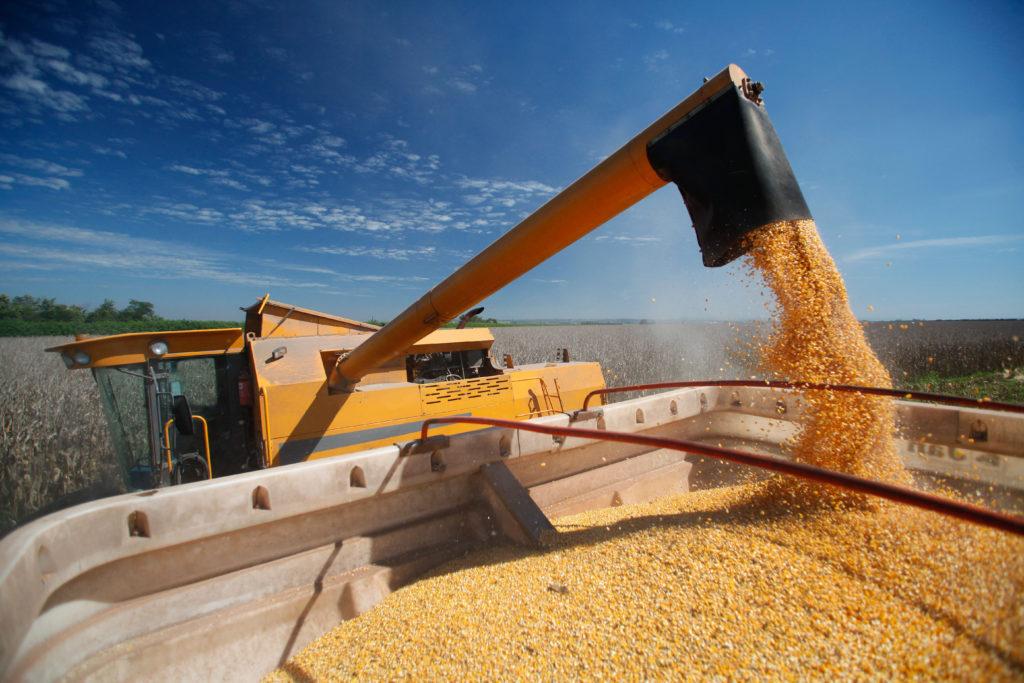
As the global economy continues to navigate the challenges posed by climate change, supply chain disruptions, and shifting consumer preferences, the Caribbean agricultural sector stands at a critical juncture. In 2023, the region has witnessed a resurgence in agricultural exports, driven by innovative practices, strategic partnerships, and an increasing demand for sustainable produce. This article delves into the emerging trends shaping the Caribbean’s agricultural export landscape, highlighting key developments that not only reflect the resilience of local farmers but also underscore the potential for growth in international markets. From the rise of organic farming to the expansion of niche products, the Caribbean is redefining its role in the global agricultural arena, positioning itself as a vital player in meeting the world’s burgeoning appetite for high-quality and sustainable food sources. Join us as we explore the significant shifts and anticipated future directions of agricultural exports in this vibrant region.
Table of Contents
- Emerging Markets for Caribbean Agricultural Products
- Innovative Sustainable Practices Driving Export Growth
- Value-Added Processing: Enhancing Profitability and Market Reach
- Challenges and Opportunities in the Global Supply Chain
- Concluding Remarks
Emerging Markets for Caribbean Agricultural Products
The Caribbean has long been known for its rich agricultural heritage, but new opportunities are emerging in the global marketplace. As climate change influences agricultural practices, several regions are increasingly turning to Caribbean products for their unique offerings. In particular, the rise of health-conscious consumer behavior has led to a surge in demand for organic and sustainably sourced goods. Key markets showing interest include:
- North America: An expanding market for organic produce and specialty item imports.
- Europe: Increasing demand for tropical fruits and artisanal products.
- Asia: A growing appreciation for Caribbean spices and ethnic food ingredients.
Moreover, the adaptability of Caribbean farmers has made it possible to explore niche markets not traditionally associated with Caribbean agriculture. The integration of technology in farming practices and direct-to-consumer sales channels has enhanced reach and profitability. A snapshot of notable products making waves includes:
| Product | Target Market | Growth Trend (2023) |
|---|---|---|
| Coconut Water | North America | +15% |
| Spices (Allspice, Nutmeg) | Europe | +10% |
| Biodynamic Cocoa | Asia | +20% |
Innovative Sustainable Practices Driving Export Growth
The Caribbean agricultural sector is experiencing a transformative wave driven by innovative sustainable practices that not only prioritize environmental stewardship but also enhance global competitiveness. Farmers across the region are embracing regenerative farming techniques, which focus on building soil health, increasing biodiversity, and capturing carbon. This shift is being complemented by the integration of precision agriculture technologies, allowing for data-driven decisions that optimize resource use and reduce waste. Notably, these advancements have empowered local producers to meet international standards, making Caribbean exports more appealing to environmentally-conscious consumers.
Additionally, the emphasis on certification schemes such as Fair Trade and organic labels is gaining traction, enabling farmers to command premium prices on the global market. Key strategies driving this trend include:
- Agroforestry – Combining crops with trees, enhancing productivity and ecosystem resilience.
- Integrated Pest Management (IPM) – Reducing reliance on chemical pesticides through natural pest control methods.
- Water Conservation Techniques – Implementing drip irrigation and rainwater harvesting to improve water efficiency.
These sustainable practices not only help to mitigate the impacts of climate change but are also attracting investment from foreign markets eager to support green initiatives. As regional farmers adapt to these emerging trends, the outlook for agricultural exports remains increasingly optimistic, positioning the Caribbean as a leader in sustainable agricultural practices on a global scale.
Value-Added Processing: Enhancing Profitability and Market Reach
In the evolving landscape of Caribbean agriculture, value-added processing has become instrumental in boosting both profitability and market accessibility. By transforming raw agricultural products into more profitable forms, producers can capitalize on niche markets and cater to increasing consumer demand for quality and convenience. This process not only enhances the economic viability of smallholder farmers but also fortifies the agricultural sector against global volatility. Key strategies embracing value addition include:
- Product Diversification: Expanding beyond fresh produce to include jams, sauces, and dried goods.
- Brand Development: Creating unique local brands to enhance market presence.
- Sustainable Practices: Implementing eco-friendly methods to attract environmentally conscious consumers.
Furthermore, the integration of modern technologies within value-added processing is paving the way for greater efficiency and reduced waste, ultimately leading to enhanced margins. Investments in equipment for dehydration, fermentation, and packaging are becoming more common among Caribbean producers, ensuring that they can produce high-quality items that meet international standards. As a testament to this trend, the table below highlights some of the noteworthy value-added products and their export potentials:
| Product | Market Potential | Value Addition Benefits |
|---|---|---|
| Organic Coconut Oil | High | Premium pricing and health trends |
| Exotic Fruit Juices | Growing | Higher demand for natural beverages |
| Dried Spices and Herbs | Moderate | Longer shelf life and versatility |
Challenges and Opportunities in the Global Supply Chain
As Caribbean nations pivot towards enhancing agricultural exports, they face a landscape filled with both challenges and opportunities. The intricate nature of global supply chains has exposed vulnerabilities, particularly in response to fluctuating demand, climate change, and political instability. Key challenges include:
- Logistical Inefficiencies: Inadequate infrastructure often hampers timely delivery of agricultural products.
- Market Volatility: Sudden changes in global demand can lead to surplus or shortages, affecting prices.
- Compliance Regulations: Navigating stringent international trade regulations can be cumbersome for smaller exporters.
Amid these hurdles, the Caribbean has a unique opportunity to capitalize on emerging agribusiness trends. Increasing consumer awareness of sustainability and organic farming practices presents a lucrative avenue for growth. Potential opportunities include:
- Diversification: Expanding product lines to include high-demand organic and specialty crops can attract new markets.
- Technological Innovations: Leveraging agri-tech to enhance yield and reduce waste can improve competitiveness.
- Collaborative Ventures: Forming partnerships both regionally and globally can open new avenues for funding and distribution.
| Opportunity | Description |
|---|---|
| Diversification | Introducing organic and specialty crops to meet evolving consumer demands. |
| Technological Innovations | Implementing advanced farming techniques to boost productivity. |
| Collaborative Ventures | Joining forces with global partners to enhance market access. |
Concluding Remarks
As we conclude our review of emerging trends in Caribbean agricultural exports for 2023, it is evident that this sector is on the cusp of transformation. With innovative practices, a renewed focus on sustainability, and strategic partnerships, Caribbean farmers and exporters are not only enhancing their productivity but also expanding their reach in global markets. The rise of unique local products, coupled with the increasing demand for organic and sustainably-sourced goods, positions the Caribbean as a pivotal player in the global agricultural landscape.
However, these developments also come with challenges, including climate change pressures and the need for improved infrastructure. Moving forward, it will be crucial for stakeholders to collaborate, embrace technology, and cultivate resilient supply chains that can adapt to a rapidly changing environment.
The journey of Caribbean agricultural exports is an inspiring narrative of resilience and innovation, promising not only economic benefits but also the preservation of cultural heritage. As we look ahead, the future appears bright for this vital sector, which continues to be a cornerstone of the Caribbean economy and a source of pride for its people.