


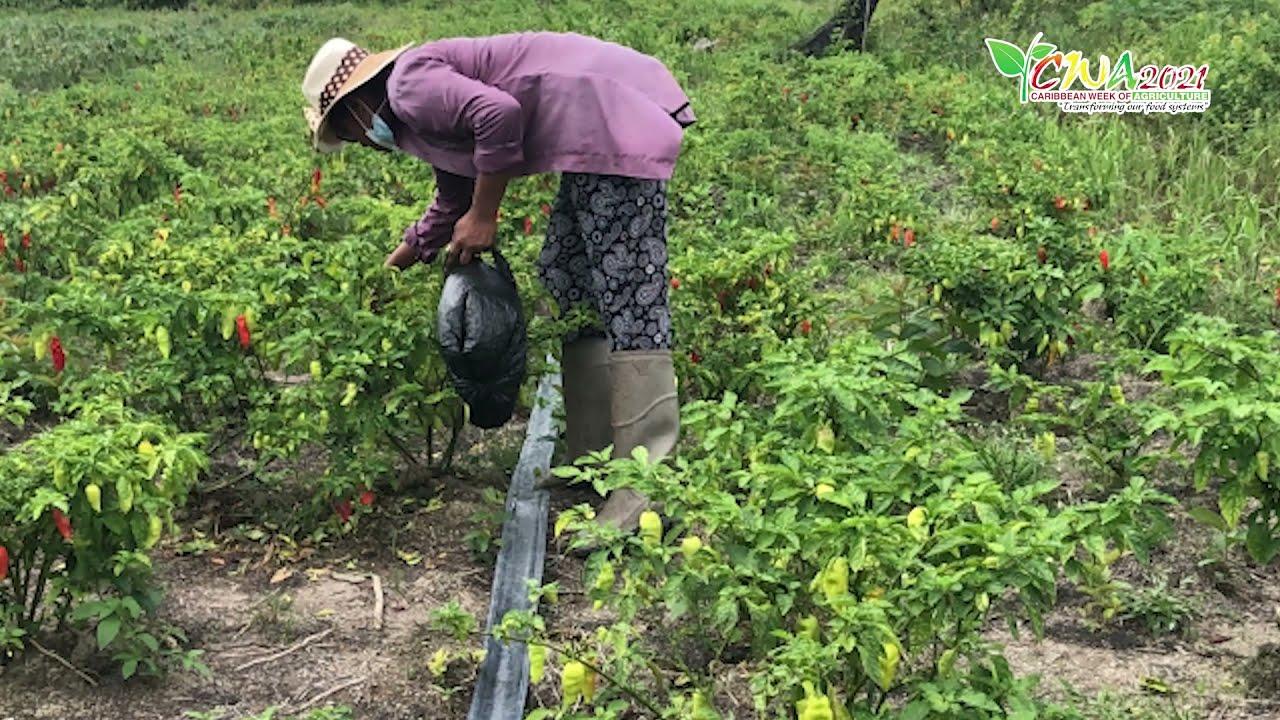
In recent years, the Caribbean agricultural landscape has encountered a myriad of challenges, ranging from climate change and economic volatility to shifting consumer preferences and food security concerns. Amid these hurdles, local cooperatives have emerged as a beacon of hope, fostering resilience and innovation among farmers across the region. By banding together, farmers gain access to critical resources, knowledge, and markets that would be unattainable in isolation. This article explores the transformative power of local cooperatives in empowering Caribbean farmers, highlighting their pivotal role in promoting sustainable practices, enhancing productivity, and ensuring the long-term viability of agriculture in this diverse and dynamic region. As Caribbean nations strive for economic stability and food sovereignty, cooperatives stand at the forefront of agricultural advancement, cultivating not just crops but also the futures of rural communities.
Table of Contents
- Empowering Agricultural Innovation through Cooperative Structures
- Enhancing Market Access and Financial Support for Caribbean Farmers
- Fostering Sustainable Practices and Climate Resilience within Cooperatives
- Building Stronger Communities: The Social Impact of Local Agricultural cooperatives
- In Summary
Empowering Agricultural Innovation through Cooperative Structures
The transformation of agriculture in the Caribbean hinges significantly on the establishment and functioning of local cooperatives. These cooperative structures empower farmers by granting them access to critical resources, sharing best practices, and leveraging collective bargaining power. By collaborating, farmers can effectively reduce input costs and increase their market access, thereby enhancing sustainability within the agricultural sector. Moreover, support networks within cooperatives facilitate the exchange of knowledge about innovative farming techniques, pest control measures, and climate-smart approaches, all of which are crucial for the region’s evolving agricultural landscape.
Furthermore, local cooperatives create avenues for financial growth by pooling funds for investments in necessary technologies and equipment. They also provide training programs and workshops that elevate the skills of members, ensuring that they remain competitive within a global agricultural market. Notably, cooperatives are instrumental in advocating for policy changes that benefit smallholder farmers, such as improved access to land, water resources, and financial services. This collaborative spirit not only fosters resilience against economic shocks but also nurtures a sense of community ownership and responsibility towards sustainable agricultural practices.
Enhancing Market Access and Financial Support for Caribbean Farmers
To truly lift Caribbean farmers from the challenges they face, it is crucial to enhance their access to both local and international markets. Local cooperatives play a pivotal role by forging partnerships with retailers and distributors, thereby creating a seamless pathway for farmers to showcase their produce. By leveraging cooperative networks, farmers can benefit from improved supply chain logistics and better price negotiations, ensuring that their products reach consumers at competitive prices. Key strategies include:
- Market Research: Conducting studies to identify trends and opportunities in local and export markets.
- Brand Development: Promoting local products under unified branding to enhance recognition.
- Training Programs: Offering workshops on quality standards and sustainable farming practices.
In addition to market access, providing financial support is essential for the sustainability of farming operations in the Caribbean. Cooperatives can facilitate access to microloans and grants, enabling farmers to invest in equipment, seeds, and technology. This financial backing not only enhances productivity but also cultivates resilience against climate change and economic fluctuations. An analysis of the financial landscape reveals:
| Financial Support Type | Benefits |
|---|---|
| Microloans | Lower repayment terms; access to capital for small-scale farmers. |
| Grants | Non-repayable funds to cover startup costs or enhance infrastructure. |
| Subsidies | Financial support to lower costs of inputs and expand production. |
Fostering Sustainable Practices and Climate Resilience within Cooperatives
In the Caribbean, local cooperatives are leading the charge in creating sustainable agricultural practices that not only address the pressing issues of climate change but also empower farmers within their communities. By prioritizing eco-friendly methods, these organizations encourage members to adopt practices like crop rotation, organic farming, and integrated pest management. These initiatives not only enhance soil health and reduce carbon footprints but also promote biodiversity, resulting in more resilient farming systems capable of withstanding the effects of climate change. Moreover, cooperatives often provide essential training and resources, helping farmers transition to sustainable techniques that can significantly increase yield and reduce costs.
Furthermore, local cooperatives act as a hub for knowledge sharing and collective action, which strengthens community ties and fosters resilience. They facilitate access to information on climate adaptation strategies, enabling farmers to make informed decisions about their production methods. Initiatives such as rainwater harvesting and diversification of crops are crucial for managing risk in an unpredictable climate. The table below illustrates some of the key practices being implemented by Caribbean cooperatives:
| Practice | Benefits |
|---|---|
| Crop Rotation | Improves soil fertility and reduces pests. |
| Organic Farming | Minimizes chemical use, promoting health and sustainability. |
| Agroforestry | Enhances biodiversity and provides additional income streams. |
| Rainwater Harvesting | Conserves water and supports irrigation during dry spells. |
Building Stronger Communities: The Social Impact of Local Agricultural cooperatives
Local agricultural cooperatives play a pivotal role in fostering social cohesion and resilience in Caribbean communities. These cooperatives empower farmers not only by providing access to resources and markets but also by nurturing a spirit of collaboration and shared purpose. By coming together, members are able to collectively negotiate better prices for their products, access financial services, and benefit from shared knowledge and training programs. This community-centric approach helps to reduce poverty and food insecurity while promoting sustainable farming practices that protect the local environment.
Moreover, the impact of these cooperatives extends beyond the economic sphere, as they cultivate strong social networks that enhance community bonds. Members participate in activities that range from local festivals celebrating agricultural diversity to educational workshops aimed at improving farming techniques. Such involvements foster a sense of pride and ownership among farmers, encouraging them to invest in their communities. The social benefits of these cooperatives can be summarized as follows:
- Increased community engagement: Members frequently collaborate on community projects.
- Empowerment: Farmers gain confidence through shared successes.
- Enhanced food security: Local production supports community needs.
- Networking opportunities: Farmers meet and learn from each other.
In Summary
the empowerment of Caribbean farmers through local cooperatives represents a critical step towards achieving sustainable agricultural development in the region. By fostering collaboration, sharing resources, and leveraging collective bargaining power, these cooperatives not only enhance the resilience of farmers against external economic pressures but also contribute to greater food security and community well-being. As governments, NGOs, and private sectors increasingly recognize the importance of supporting these organizations, the future looks promising for Caribbean agriculture. Continued investment in cooperative initiatives will be essential in driving innovation, sustainability, and economic growth, ensuring that farmers can thrive and communities can flourish. The commitment to a cooperative model is not just a strategy for farming; it is a pathway towards a more equitable and prosperous Caribbean.