


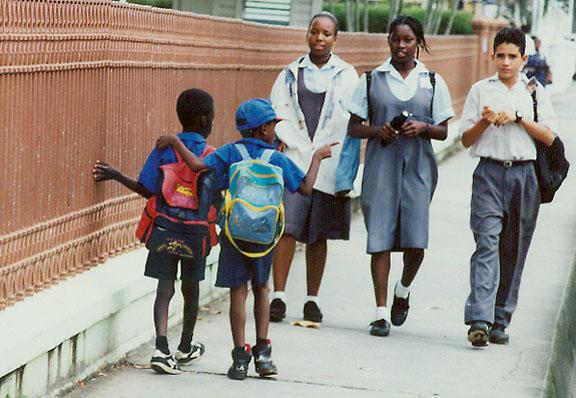
In the vibrant tapestry of the Caribbean, where azure skies meet lush landscapes, a silent struggle often unfolds, overshadowed by the beauty of island life. Our youth, brimming with potential and dreams, often find themselves grappling with health challenges that can hinder their ambitions and aspirations. Yet, amidst these trials, a powerful movement is emerging—one that embraces education as the cornerstone of wellness and empowerment. This article delves into the vital role of health education in transforming the lives of Caribbean youth, igniting their passion for self-care, and fostering a generation that is not just aware but actively engaged in safeguarding their own health. Join us on a journey of resilience and inspiration, as we explore how equipping our young hearts and minds with the tools they need can illuminate a brighter, healthier future for the Caribbean.
Table of Contents
- Harnessing the Power of Education to Transform Health Outcomes
- Building Resilience Through Community Engagement and Support
- Cultivating Future Leaders: A Pathway to Health Advocacy
- Creating Inclusive Programs That Reach Every Young Person
- In Summary
Harnessing the Power of Education to Transform Health Outcomes
In the heart of the Caribbean, education stands as a beacon of hope and transformation, woven intricately into the fabric of health and well-being. By equipping our youth with essential knowledge, we not only enhance their understanding of health issues but also empower them to become advocates for change within their communities. This nurturing process involves:
- Creating awareness: Informing young minds about prevalent health challenges, such as diabetes, hypertension, and mental health disorders.
- Encouraging healthy habits: Teaching the importance of nutrition, regular exercise, and preventative healthcare practices.
- Fostering leadership skills: Enabling youth to take charge and inspire others to prioritize health and wellness.
By investing in education, we pave the path to a healthier future for generations to come. Through structured programs, workshops, and community engagement, we can create a ripple effect that not only uplifts the individual but enhances the entire community. Consider the following table showcasing key health education initiatives and their impacts:
| Health Initiative | Target Audience | Impact |
|---|---|---|
| Nutrition Workshops | School-aged children | Improved dietary choices and reduced obesity rates. |
| Mental Health Awareness Campaigns | Teenagers | Increased knowledge of mental health resources and reduced stigma. |
| Community Fitness Events | Families | Enhanced physical activity levels and community bonding. |
Building Resilience Through Community Engagement and Support
In the heart of the Caribbean, a vibrant tapestry of culture and resilience weaves together the threads of community support and empowerment. When youth come together, they form a strong backbone for change, fostering a supportive environment that nurtures mental and physical well-being. Through initiatives that promote peer mentorship, community workshops, and collaborative projects, young individuals are not just learning about health; they are experiencing it firsthand. This communal approach helps them understand the importance of shared responsibility and builds a network of relationships that encourage positive peer influence.
Moreover, robust community engagement enables youth to see the impact of their collective efforts, cultivating a sense of purpose and belonging. As they participate in health education programs, they learn to address challenges like mental health stigma, substance abuse, and lifestyle diseases. This journey is complemented by a series of activities, including:
- Health fairs that provide essential screenings and information
- Skill-building workshops where they learn valuable life skills
- Cultural celebrations that reinforce their identity and community pride
Through these experiences, Caribbean youth discover their potential as leaders, capable of influencing not just their peers but the wider community. As they build resilience, they create a ripple effect of empowerment, driving home the message that health is a community affair, deeply intertwined with strength, love, and solidarity.
Cultivating Future Leaders: A Pathway to Health Advocacy
Investing in our youth is not just a noble idea; it is a critical necessity for the future of health advocacy in the Caribbean. By fostering leadership qualities in young individuals, we equip them with the tools to challenge existing health disparities and champion equitable access to care. Learning to see the significance of community engagement and effective communication will empower these future leaders to influence policies and inspire innovation in health practices. Programs that focus on mentorship, education, and hands-on experience are pivotal for nurturing their potential and imbuing them with a sense of responsibility towards their communities.
The transformative power of youth-led initiatives cannot be underestimated. When empowered to take charge, young leaders advocate with fresh perspectives and passionate determination. They enact change through localized projects, spreading awareness and inspiring their peers. Consider the following key strategies for cultivating these leaders:
- Education Workshops: Interactive seminars on health issues tailored to local concerns.
- Mentorship Programs: Pairing experienced advocates with aspiring youth leaders.
- Community Projects: Involving youth in the planning and execution of health campaigns.
| Key Initiative | Description | Expected Outcome |
|---|---|---|
| Health Fairs | Day-long events focusing on health screening and education. | Increased health literacy and early diagnosis. |
| Peer Education | Youth-led discussions on critical health topics. | Stronger community ties and better understanding of health issues. |
| Advocacy Campaigns | Organizing rallies or online campaigns to influence policy. | Heightened political attention to health disparities. |
Creating Inclusive Programs That Reach Every Young Person
To truly empower Caribbean youth, it is essential to craft programs that reflect their diverse experiences and aspirations. These initiatives should not only be inclusive but also tailor-made to resonate with the specific cultural and social contexts in which young people live. We can achieve this by:
- Involving local communities: Engaging families, educators, and local leaders in the development of programs ensures they address the real needs of the youth.
- Fostering safe and welcoming environments: Establishing spaces where every young person feels valued and respected encourages open dialog and builds trust.
- Utilizing varied communication methods: Leveraging social media, traditional media, and community events helps reach different segments of the population effectively.
Furthermore, it’s important to regularly evaluate these programs to guarantee they remain relevant and impactful. This can be accomplished through:
| Evaluation Criteria | Actions | Expected Outcomes |
|---|---|---|
| Feedback from Participants | Surveys and focus groups | Better alignment with youth needs |
| Diversity of Programming | Incorporating various topics and formats | Engagement from wider demographics |
| Long-term Impact | Tracking health and education outcomes | Stronger communities and healthier youth |
By embracing a holistic approach to program design and evaluation, we can cultivate a generation of empowered young leaders equipped to navigate their futures with resilience and confidence.
In Summary
As we wrap up our exploration of the pivotal role health education plays in empowering Caribbean youth, it’s clear that this journey is about more than just facts and figures; it’s about igniting a flame of hope and resilience within our vibrant communities. Each lesson learned is not just knowledge gained—it’s a stepping stone towards a healthier future, where young voices become advocates for change and leaders in their own right.
Imagine a Caribbean where every young person has the tools, resources, and confidence to make informed decisions about their health and well-being. Picture a region thriving with youth who carry the torch of knowledge into their schools, homes, and neighborhoods, inspiring others to join in the pursuit of wellness.
By investing in health education, we aren’t merely imparting information; we are nurturing a generation of dreamers, thinkers, and doers who will shape the future of our islands. As we stand at this crucial crossroads, let us remind ourselves that empowering our youth is an investment in the spirit and vitality of the Caribbean—a colorful tapestry woven with the stories and aspirations of its young people.
So, let us champion this cause together. Let us uplift our youths by providing them the education they deserve, encouraging them to embrace their power, and equipping them to carve out a path toward lasting health and happiness. The heartbeat of our future lies within them, and together, we can ensure it beats strong and true. Here’s to the empowered youth of the Caribbean—may they rise, shine, and lead the way toward a healthier tomorrow!