


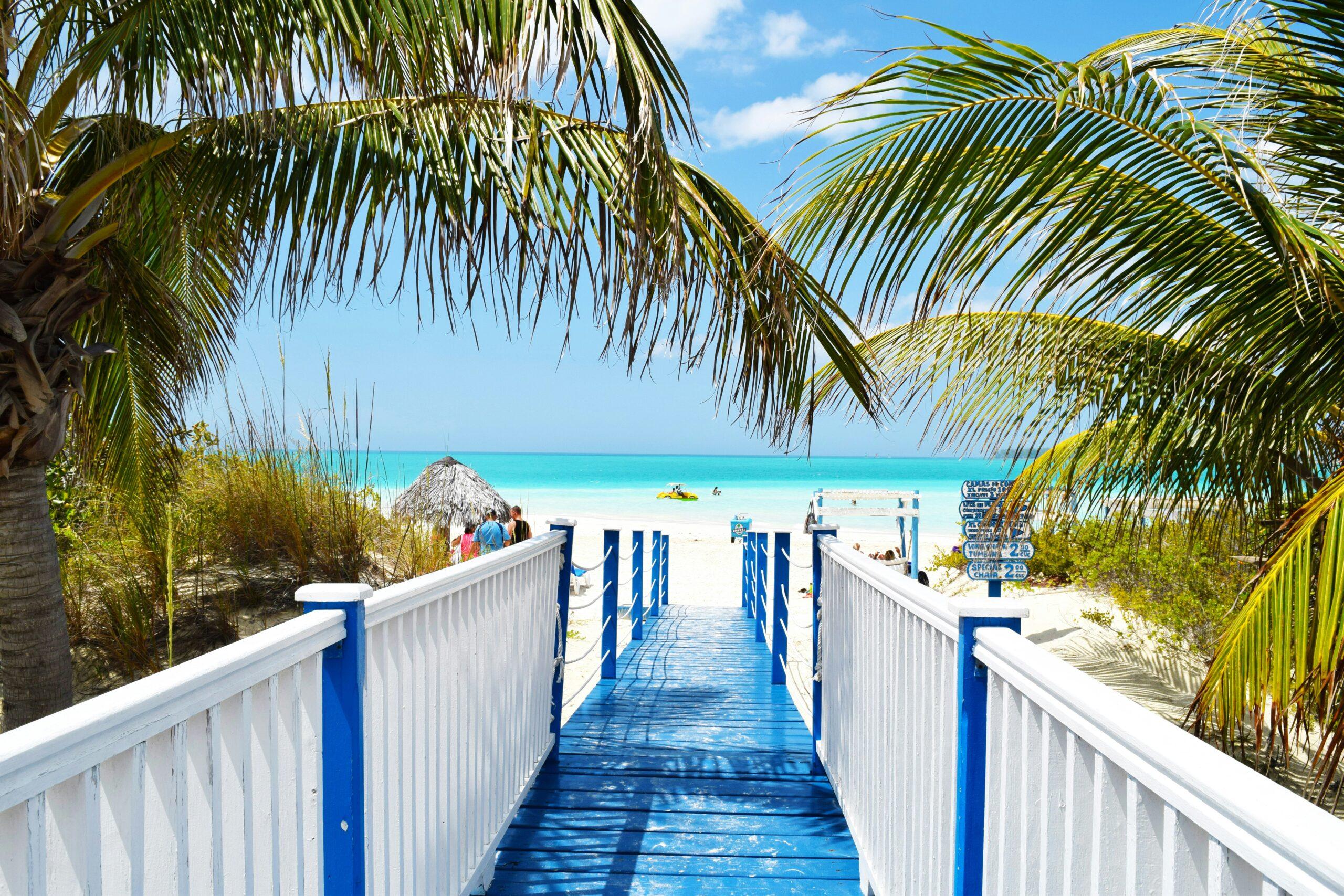
In recent years, the allure of the Caribbean has drawn an increasing number of individuals and families seeking a change in lifestyle, environment, and economic opportunity. With its stunning landscapes, vibrant cultures, and generally pleasant climate, the Caribbean presents an enticing prospect for relocation. However, the decision to move to this tropical paradise comes with a unique set of advantages and challenges that must be carefully evaluated. This article delves into the key benefits—such as a slower pace of life, tax incentives, and access to natural beauty—while also addressing potential drawbacks, including issues related to healthcare, cost of living, and cultural adjustment. As the Caribbean becomes an increasingly popular destination for expatriates, understanding the full spectrum of implications is essential for those considering this transformative step.
Table of Contents
- Understanding the Economic Landscape of Caribbean Relocation
- Assessing the Social and Cultural Integration Challenges
- Evaluating Climate and Environmental Considerations
- Navigating Legal and Financial Implications for a Smooth Transition
- The Way Forward
Understanding the Economic Landscape of Caribbean Relocation
As individuals and families contemplate relocating to the Caribbean, a nuanced understanding of the region’s economic landscape is essential. The Caribbean boasts diverse economies, driven by tourism, agriculture, and increasingly, technology. Tourism, as the lifeblood of many island nations, not only provides significant employment opportunities but also contributes to local GDPs. However, the reliance on this sector can also lead to vulnerabilities during times of crisis, such as natural disasters or global pandemics. Additionally, agriculture remains a cornerstone in countries like Dominica and St. Lucia, where products such as bananas, cocoa, and spices flourish, reflecting the area’s rich natural resources. As such, potential relocators should weigh both the booming tourism sector and the vulnerabilities it entails against the sustainability of agricultural opportunities.
Moreover, the varying cost of living and access to services can significantly impact the relocation experience. While some islands provide high-quality amenities and infrastructure, others may lag in healthcare and education services, impacting lifestyle quality. To assist in gauging this, here are some essential factors to consider:
- Cost of Living: Generally lower on some islands but can be high in tourist-centric areas.
- Employment Opportunities: Limited outside of tourism; expertise in specific sectors may be necessary.
- Tax Structure: Some nations offer favorable conditions for expatriates, like tax exemptions.
| Island | Primary Economic Sector | Potential Challenges |
|---|---|---|
| Jamaica | Tourism/Agriculture | Cultural & Economic fluctuations |
| Barbados | Tourism/Financial Services | High cost of living |
| Dominican Republic | Tourism>Agriculture | Political instability |
Assessing the Social and Cultural Integration Challenges
Relocating to the Caribbean can present an array of social and cultural integration challenges for newcomers. One significant hurdle is adapting to the local customs and social norms, which can vary widely from one island to another. For instance, understanding and respecting local traditions, such as festivals and community events, is crucial for building relationships and blending into the community. Additionally, language can pose a barrier, especially in areas where Creole or other native languages are prevalent. Newcomers may find themselves navigating a linguistic landscape that requires both patience and commitment to learn.
Moreover, integrating into the local labor market can also be a formidable task. Professionals may face recognition of qualifications issues and may need to adjust their expectations regarding job opportunities and salaries. Some challenges to consider include:
- Networking Opportunities: Establishing professional connections can be more challenging in a smaller job market.
- Cultural Sensitivity: Understanding workplace dynamics, which may emphasize different values such as communal support over individual achievement.
- Expat Communities: While helpful, these can sometimes create a divide, making it harder to fully integrate into the local population.
To better understand the varying levels of integration, it’s useful to examine common experiences among relocators. The table below highlights some key social and cultural aspects newcomers may encounter:
| Integration Factor | Typical Experience |
|---|---|
| Language Barriers | Higher adjustment period, especially in areas with strong local dialects. |
| Community Engagement | Varied participation in local events, from welcoming to reserved. |
| Employment Landscape | Diverse opportunities with some industries more welcoming than others. |
Addressing these challenges requires an open mind and a proactive approach, allowing newcomers to create meaningful connections within their new Caribbean home.
Evaluating Climate and Environmental Considerations
When considering relocation to the Caribbean, various climate and environmental factors play a crucial role in the overall evaluation. The region is characterized by its tropical climate, which offers warm temperatures year-round. However, this climate also brings challenges such as hurricane seasons, typically from June to November, where severe storms can disrupt life and cause significant property damage. Furthermore, rising sea levels due to climate change threaten many coastal areas, making resilience against environmental changes a necessary consideration for potential movers.
In addition to natural disasters, the Caribbean’s unique ecosystems and biodiversity must be taken into account. Each island has distinct environmental challenges and benefits, including:
- Coral reef degradation: Vital for marine life and tourism, coral reefs face threats from pollution and warming waters.
- Deforestation: Urbanization pressures can lead to habitat loss, impacting wildlife and contributing to soil erosion.
- Water scarcity: Some islands experience freshwater shortages, necessitating efficient water management strategies.
Evaluating these considerations shows the need for sustainable practices in relocation decisions, ensuring both personal well-being and environmental stewardship.
Navigating Legal and Financial Implications for a Smooth Transition
Relocating to the Caribbean involves navigating various legal and financial implications that can significantly impact the success of your move. One of the primary considerations is understanding the local laws regarding residency and the necessary permits. Many Caribbean nations offer different visa categories for expatriates, often requiring proof of income, background checks, and property ownership or lease agreements. It’s crucial to conduct thorough research on each destination’s specific regulations to avoid potential legal pitfalls. Additionally, consider seeking the advice of local legal counsel who specializes in immigration and real estate, as they can provide invaluable insights and assistance throughout the process.
On the financial side, establishing a budget that accounts for both immediate and long-term expenses is vital. Key areas to focus on include:
- Cost of Living: Familiarizing yourself with the local cost of everyday items and services can help you plan more effectively.
- Tax Obligations: Understanding your tax liabilities both in your home country and the Caribbean nation is essential to prevent unexpected financial burdens.
- Real Estate Market: Evaluating property prices, insurance costs, and potential hidden fees associated with buying or renting is critical.
- Currency Exchange: Fluctuations in currency rates can affect your purchasing power, so researching financial institutions and exchange rates in your destination is wise.
To give a clearer perspective, the following table illustrates common financial factors you may encounter when relocating to a selected Caribbean country:
| Country | Average Monthly Rent | Basic Food Costs | Utilities |
|---|---|---|---|
| Jamaica | $800 | $200 | $150 |
| Barbados | $1,200 | $250 | $200 |
| Dominican Republic | $600 | $180 | $120 |
The Way Forward
the decision to relocate to the Caribbean presents a multifaceted landscape of opportunities and challenges. On one hand, the allure of a vibrant culture, stunning landscapes, and a laid-back lifestyle can be compelling reasons for many to make the move. The potential for personal and professional growth in a region rich in natural beauty is certainly appealing. On the other hand, prospective movers must carefully weigh the drawbacks, including economic limitations, potential cultural adjustments, and logistical hurdles that could impact their relocation experience.
As the Caribbean continues to attract individuals seeking new beginnings, it is essential to approach this decision with thorough research and a realistic understanding of both the benefits and the challenges involved. By recognizing the complexities of relocating to this idyllic region, individuals can better navigate their transition and position themselves for success in their new surroundings. Ultimately, informed decision-making is key to achieving a fulfilling and enjoyable relocation experience in the Caribbean.