


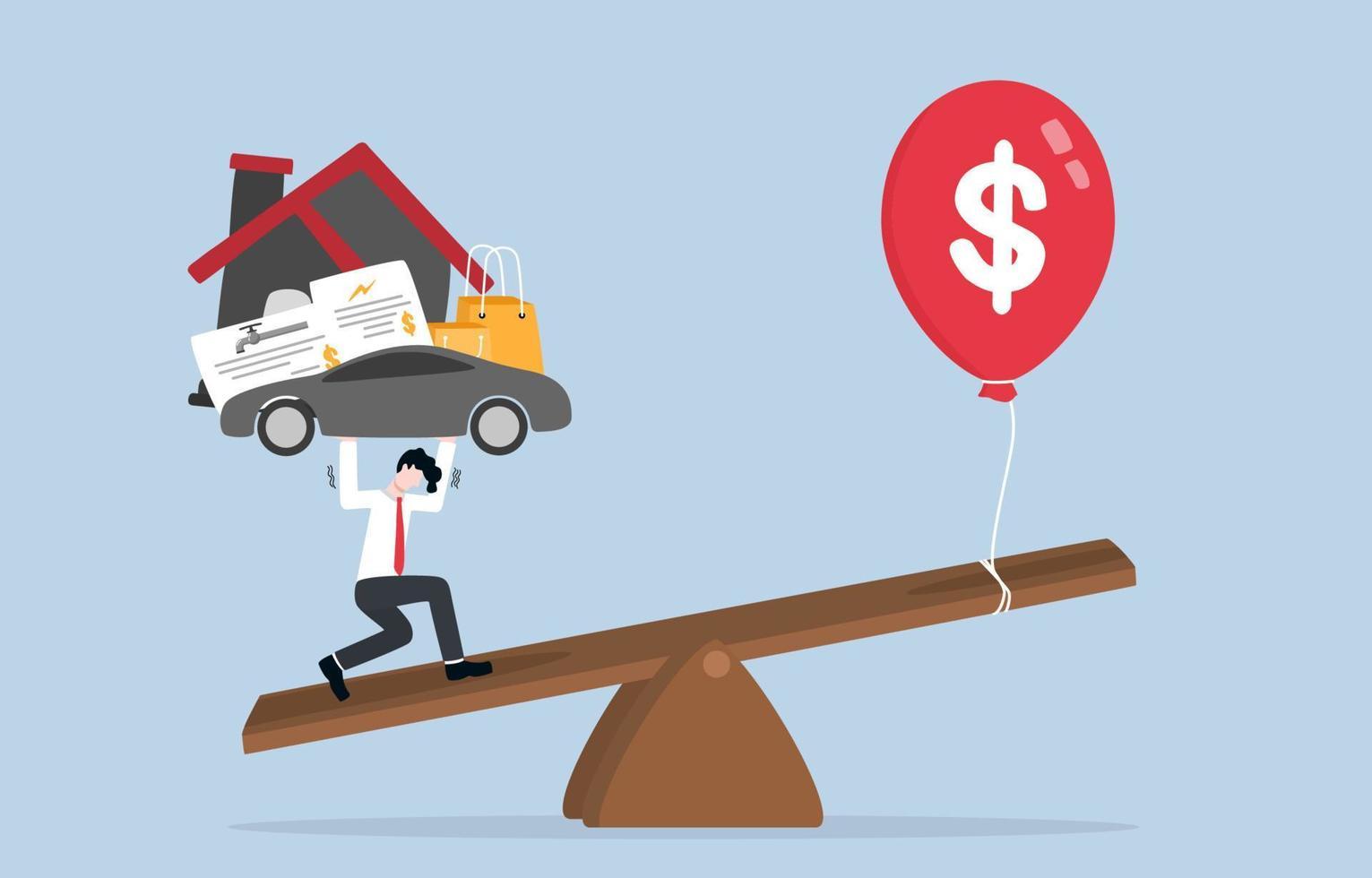
As the Caribbean region continues to be a picturesque paradise for tourists and residents alike, a less idyllic reality is emerging beneath the surface—rising costs that challenge the economic stability of its inhabitants. Over the past few years, many Caribbean nations have faced an alarming increase in the cost of living, driven by factors such as inflation, external market pressures, and the ongoing repercussions of global supply chain disruptions. This phenomenon is impacting everything from housing and utilities to food and healthcare, leaving many local communities grappling with financial strain and diminishing purchasing power. In this article, we will explore the multifaceted causes behind the soaring costs, examine their implications for the region’s residents, and discuss potential solutions to alleviate the burden on those who call the Caribbean home.
Table of Contents
- Understanding the Factors Driving Inflation in the Caribbean Economy
- Impact of Currency Fluctuations on Everyday Expenses in Island Nations
- Assessing the Socioeconomic Consequences for Local Communities
- Strategies for Sustainable Economic Development to Mitigate Living Costs
- To Conclude
Understanding the Factors Driving Inflation in the Caribbean Economy
Inflation in the Caribbean is shaped by a myriad of complex factors, each exacerbating the rising cost of living for residents. One primary driver is the region’s dependence on imported goods, which makes it vulnerable to fluctuations in global commodity prices. As transportation costs soar and supply chains face disruptions, the prices of essential commodities, including food and fuel, have seen significant increases. Additionally, the effects of climate change cannot be disregarded; natural disasters disrupt production and distribution, further stressing the costs that consumers bear. Some of the notable factors include:
- Rising global energy prices: Increased oil prices lead to higher transportation and production costs.
- Supply chain disruptions: Events such as pandemics or geopolitical tensions limit the availability of goods.
- Currency fluctuations: A declining local currency makes imports more expensive.
- Increased demand: Post-pandemic recovery has surged demand against limited supply.
Moreover, local economic policies and monetary factors play crucial roles in inflation trends. Many Caribbean nations have historically struggled with high levels of public debt, which can lead governments to print more money, further fueling inflation. This situation is often worsened by stagnant wages, meaning that as costs rise, purchasing power diminishes for many families. The following table illustrates the inflation rates in selected Caribbean countries over the past year:
| Country | Inflation Rate (%) | Major Driving Factor |
|---|---|---|
| Jamaica | 8.5% | Increased food prices |
| Barbados | 5.8% | Fuel price hikes |
| Trinidad and Tobago | 6.7% | Supply chain issues |
| Dominican Republic | 7.3% | Imported inflation |
Impact of Currency Fluctuations on Everyday Expenses in Island Nations
In island nations, particularly those in the Caribbean, currency fluctuations can significantly alter the landscape of everyday expenses. When the value of local currency weakens against major currencies like the US dollar or the Euro, imported goods become more expensive, leading to heightened costs for essential items such as food, fuel, and consumer products. As many Caribbean economies are heavily reliant on imports, the effect can ripple through the economy, causing basic necessities to become increasingly unaffordable for residents. This adverse impact can be particularly pronounced in low-income households, where a larger percentage of income is spent on everyday essentials.
Local businesses often struggle to maintain stable pricing in an environment of fluctuating currencies. The fluctuating exchange rates can create uncertainty, forcing retailers to adjust their prices frequently, which can confuse consumers and deter spending. Moreover, the tourism sector, which is vital to many island economies, can also feel the strain. When tourists perceive the cost of travel as increasing due to poor currency exchange rates, they may reconsider their travel plans, directly impacting local economies reliant on visitor spending. maintaining economic stability in the face of currency volatility is essential for the well-being of both residents and local businesses in these vibrant island communities.
| Expense Category | Impact of Currency Fluctuation |
|---|---|
| Food | Higher prices for imported goods |
| Fuel | Rising transportation costs |
| Housing | Increased cost for building materials |
| Tourism Activities | Perceived affordability issues |
Assessing the Socioeconomic Consequences for Local Communities
The escalating cost of living in the Caribbean has ignited a wave of concern regarding its impact on local communities, fostering a climate of uncertainty and discontent. Residents are finding it increasingly difficult to maintain their standard of living as basic necessities become more unaffordable. Among the most affected sectors are:
- Housing: Renting or purchasing homes has become prohibitively expensive, forcing families to rethink their housing choices.
- Food Security: As food prices soar, many households struggle to afford nutritious options, leading to a rise in health issues.
- Transportation: The cost of commuting is climbing, making it harder for workers to commute daily while balancing their budgets.
The socioeconomic consequences extend beyond individual hardships; local businesses are also feeling the strain. Increased operational costs due to higher import tariffs and wages lead to a decrease in disposable income for consumers, creating a challenging environment for economic growth. The ripple effect of these changes can be seen in:
| Impact Area | Current Effects |
|---|---|
| Employment Rates | Job loss and reduced hiring. |
| Local Industries | Declining sales and potential closures. |
| Health Services | Increased demand for assistance as more families face financial hardships. |
Strategies for Sustainable Economic Development to Mitigate Living Costs
The Caribbean faces a precarious balance as it strives for economic growth while managing the escalating cost of living. To promote sustainable economic development, regional governments need to adopt comprehensive strategies that not only address immediate financial pressures but also lay the groundwork for long-term stability. One effective approach is investing in renewable energy, which can significantly lower energy costs and reduce dependence on imported fuels. Alongside this, fostering agricultural innovation can enhance food security and decrease food prices. Initiatives could include supporting local farmers with technology and training to increase yields and promote organic farming practices.
Additionally, enhancing tourism diversification by promoting eco-tourism and cultural experiences can boost local economies and provide alternative revenue streams for communities. Governments should also prioritize the establishment of social safety nets to protect vulnerable populations from economic shocks. Essential to these strategies is the collaboration between public and private sectors, creating a sustainable partnership framework. Expecting a return on investment, businesses can benefit from incentivized green projects and a thriving local workforce, ultimately contributing to a healthier economic ecosystem.
To Conclude
As we conclude our examination of the rising cost of living in the Caribbean, it is clear that this issue is multifaceted, influenced by a convergence of local policies, global economic trends, and an increasing reliance on imported goods. The implications for residents are significant, impacting everything from daily expenses to long-term financial stability.
Policymakers, businesses, and communities must collaborate to develop sustainable solutions that can alleviate the financial burden felt by many. Strategies focusing on enhancing local production, improving supply chain efficiencies, and investing in renewable energy could offer pathways toward more affordable living conditions.
As the Caribbean navigates these challenges, it remains vital for stakeholders to prioritize transparency and adaptability in addressing the needs of their populations. Ongoing dialog and robust analyses will be essential for fostering resilience in the face of economic pressures. With concerted effort and strategic planning, there is hope for a more equitable cost of living throughout the region, ensuring that the Caribbean remains a vibrant and accessible haven for its residents and visitors alike.