


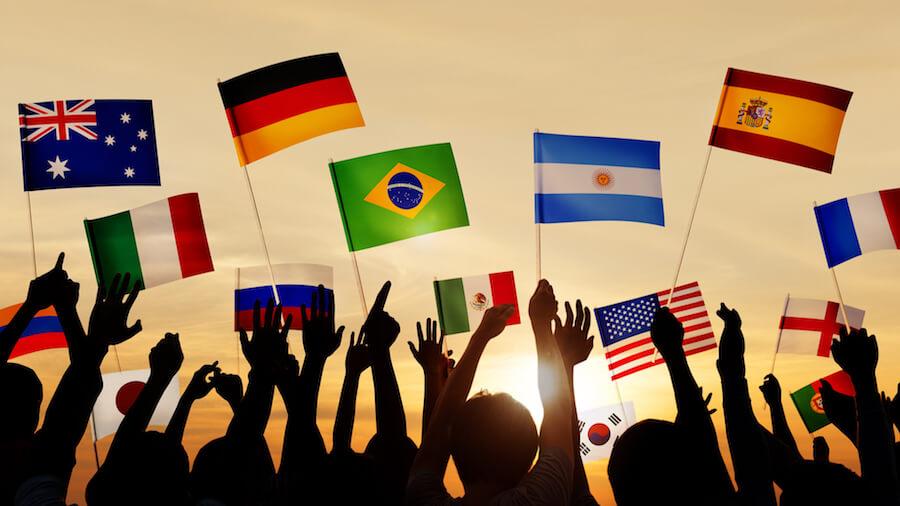
As the sun-drenched shores of the Caribbean attract a growing number of expatriates, a unique cultural tapestry is emerging that blends tradition with innovation. This dynamic interplay of global influences is not only revitalizing local economies but also transforming the very essence of Caribbean identity. From vibrant food scenes that celebrate diverse culinary heritage to a burgeoning arts community that reflects multiple perspectives, expat communities are playing a pivotal role in shaping the future of Caribbean culture. In this article, we delve into the intricate relationship between expatriates and local populations, exploring how their interactions foster creativity, resilience, and a renewed sense of cultural pride in the region. Join us as we examine the transformative impact of these communities and their potential to redefine what it means to be Caribbean in the 21st century.
Table of Contents
- Expat Contributions to Caribbean Heritage and Identity
- The Role of Expat Communities in Economic Development
- Fostering Cultural Exchange: Best Practices for Integration
- Future Outlook: Collaborating for Sustainable Growth and Diversity
- Key Takeaways
Expat Contributions to Caribbean Heritage and Identity
The vibrant tapestry of Caribbean culture is continually enriched by the presence of expats who have made the islands their home. These individuals, hailing from diverse backgrounds, inject fresh perspectives and innovative ideas, fostering a dynamic blend of traditions. Their contributions can be seen in various artistic expressions, culinary innovations, music genres, and community initiatives. For instance, expat-owned restaurants often introduce a fusion of local dishes with international flavors, resulting in a unique gastronomic experience. Such endeavors not only cater to tourists but also influence local cuisine, making it even more diverse and appealing.
Moreover, expat communities actively engage in cultural exchange programs that promote understanding and collaboration between locals and newcomers. Through various initiatives, they participate in:
- Art workshops that highlight both traditional and contemporary Caribbean artistry.
- Music festivals that blend local rhythms with international sounds, creating new genres.
- Language and cooking classes where skills are shared to keep cultural heritage alive.
This synergy fosters a sense of unity, enabling both expats and locals to forge connections and celebrate the rich heritage that defines the Caribbean identity.
The Role of Expat Communities in Economic Development
Expat communities have become a vital part of the economic landscape in the Caribbean, acting as catalysts for local development. The influx of foreign nationals brings diverse skills, innovative business practices, and new perspectives that enrich the local economy. Many expats establish businesses that not only cater to the international market but also create jobs for locals, thus fostering employment opportunities and enhancing the livelihood of residents. By investing in local ventures, expats contribute to an ecosystem where both their interests and those of the local populace coalesce, leading to sustainable growth.
Moreover, these communities play a significant role in cultural exchange and knowledge transfer, which can lead to increased competitiveness. Expats often engage in community projects, sharing their professional experiences and insights in areas such as technology, hospitality, and environmental sustainability. The following points illustrate some of the benefits brought forth by expat communities:
- Innovative Ideas: Fresh business models and creative solutions.
- Job Creation: New employment opportunities for local workers.
- Cultural Exchange: Enhanced understanding and collaboration between different cultures.
- Investment: Increased capital flow into the local economy.
Fostering Cultural Exchange: Best Practices for Integration
In a world that is becoming increasingly interconnected, fostering cultural exchange is essential for the harmonious integration of expat communities into Caribbean life. To successfully meld diverse cultures, initiatives should emphasize local engagement and shared experiences. Residents are encouraged to participate in community programs that bridge gaps and foster familiarity, such as:
- Cultural Festivals: Celebrating local traditions while inviting expats to showcase their own heritage.
- Workshops and Classes: Offering language, cooking, and art classes that promote interaction and understanding.
- Mentorship Programs: Pairing local residents with expats to share insights and experiences.
The integration endeavor also benefits from structured support through established organizations. Collaborations between governmental and non-governmental entities can facilitate seamless transitions for newcomers while preserving the unique Caribbean identity. Essential elements of these programs may include:
| Program Type | Description | Target Group |
|---|---|---|
| Language Exchange | Sessions pairing locals and expats for mutual learning | All ages |
| Art Collaborations | Joint projects showcasing diverse artistic styles | Artists and art enthusiasts |
| Community Cafés | Social spaces for mingling and cultural sharing | All residents |
Future Outlook: Collaborating for Sustainable Growth and Diversity
As the Caribbean region embraces the evolution of its cultural tapestry, the interaction between expat communities and local traditions is poised to foster a new era of sustainable growth. By forging partnerships between locals and expatriates, we cultivate an environment ripe for innovation where diverse perspectives can spark fresh ideas. Collaboration will be essential in areas such as:
- Art and Culture: Collaborative projects can enhance local festivals, incorporating global influences that resonate with both residents and visitors.
- Business Ventures: Joint entrepreneurial efforts can lead to the development of sustainable enterprises that honor Caribbean heritage while adapting to global markets.
- Education and Knowledge Exchange: Establishing programs that benefit both expats and locals will lead to a more knowledgeable community, enhancing skills in the creative and service sectors.
To further illuminate this dynamic, we can envision a framework of initiatives aimed at fostering this collaboration. By documenting successful partnerships and cultural exchanges, communities can benchmark progress and inspire future efforts. Below is a visualization of potential collaborative projects:
| Project Type | Participants | Expected Outcome |
|---|---|---|
| Art Installations | Local Artists & Expat Designers | Enhanced Cultural Events |
| Food Festivals | Local Chefs & Expat Culinary Experts | Promotion of Culinary Heritage |
| Workshops | Educators & Community Leaders | Skill Development |
By uniting these diverse voices, we can champion a future that not only respects but celebrates the complexity of Caribbean identity—leading to a vibrant economy and rich cultural landscape for generations to come.
Key Takeaways
As we conclude our exploration of expat communities and their profound influence on Caribbean culture, it becomes evident that these diverse groups are not merely transient visitors but vital contributors to the region’s evolving identity. By blending their unique customs, traditions, and perspectives with the rich tapestry of Caribbean life, expats are helping to shape a future that is both dynamic and inclusive.
As the Caribbean continues to navigate the complexities of globalization, the interplay between local residents and expatriates will play a crucial role in fostering cultural exchange, stimulating economic growth, and promoting social cohesion. It is this synergy that will ultimately define the region’s character in the years to come, creating spaces where tradition and innovation coexist harmoniously.
In light of these insights, it is essential for policymakers, community leaders, and residents alike to embrace this cultural amalgamation and foster an environment that values diversity. By doing so, the Caribbean can harness the full potential of its expat communities, ensuring a vibrant and sustainable cultural legacy for generations to come. As we look to the future, the ongoing dialogue between locals and expatriates will undoubtedly be a cornerstone of Caribbean culture’s evolution, proving that collaboration and mutual respect can lead to a richer, more vibrant society.