


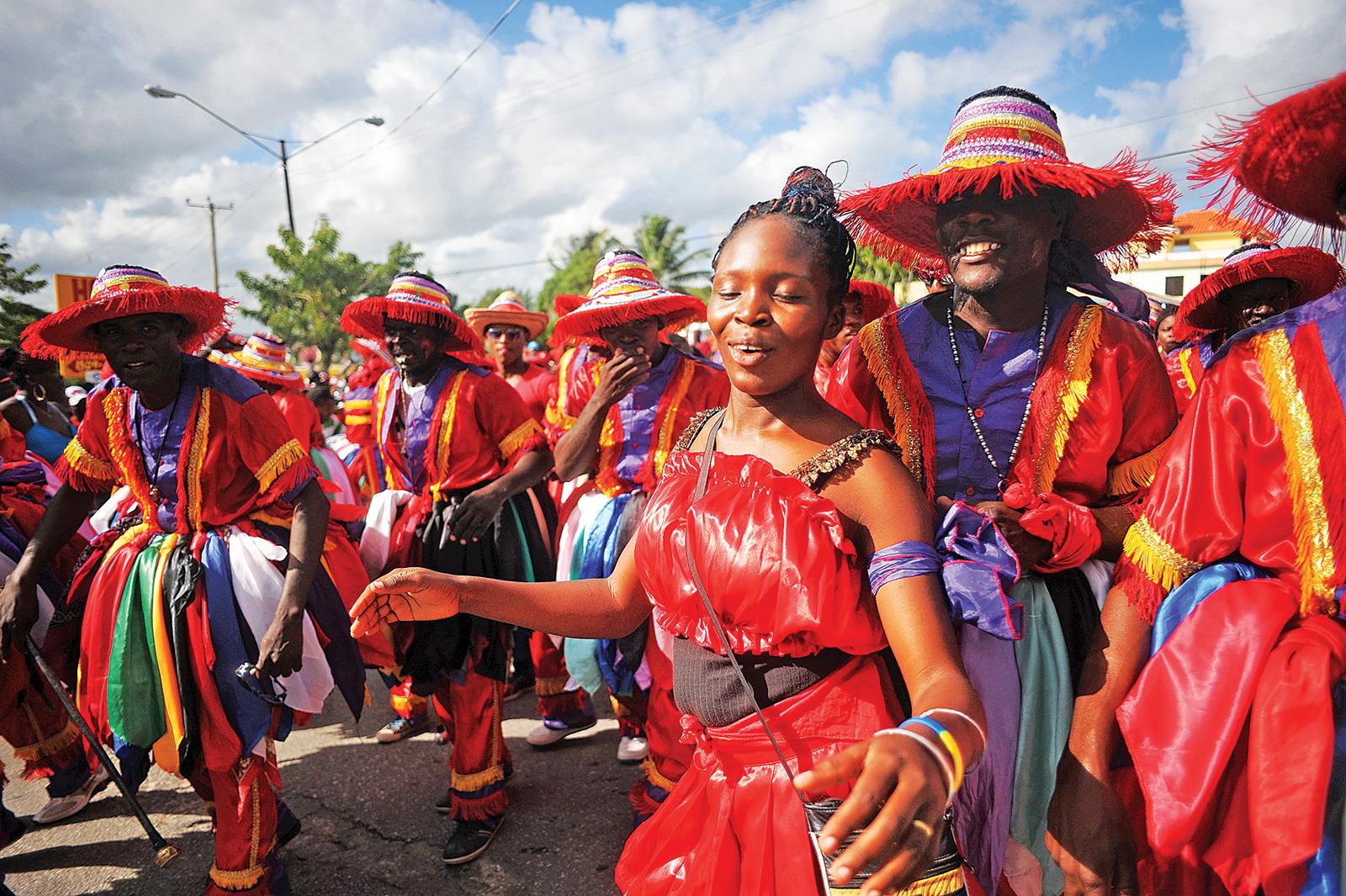
In our increasingly globalized world, the rich tapestry of cultural traditions often gets overshadowed by modern influences. However, the Afro-Caribbean community stands as a vibrant testament to the power of heritage, seamlessly weaving traditional practices into the fabric of daily living. From lively festivals that fill the streets with music and dance to culinary delights that offer a taste of history, Afro-Caribbean traditions are a celebration of resilience, creativity, and interconnectedness. In this article, we embark on a journey to explore how these traditions manifest in everyday life, enhancing personal experiences and fostering a sense of belonging. Whether you’re familiar with these customs or curious to learn more, join us as we uncover the enduring legacy of Afro-Caribbean cultures and their relevance in contemporary society.
Table of Contents
- Exploring Afro-Caribbean Culinary Practices and Their Cultural Significance
- Integrating Afro-Caribbean Music and Dance into Daily Routines
- Celebrating Afro-Caribbean Festivals and Their Impact on Community Life
- Crafting Afro-Caribbean Art and Handicrafts for Home Decor
- The Way Forward
Exploring Afro-Caribbean Culinary Practices and Their Cultural Significance
The culinary landscape of the Afro-Caribbean is as vibrant and diverse as its cultural roots. Influences from African, Indigenous, European, and Asian cuisines create a rich tapestry of flavors and techniques that not only satisfy the palate but also reflect deep cultural narratives. Traditional cooking methods, such as slow-cooking, smoking, and stewing, play a vital role in preserving family recipes passed down through generations. The use of local ingredients like okra, plantains, callaloo, and various spices signifies a profound connection to the land and heritage. Meals often serve as communal events, where families and communities gather, reinforcing social bonds and collective identity.
Moreover, food festivals and culinary traditions hold great cultural significance, often linked to religious and ancestral celebrations. Dishes such as rice and peas, curried goat, and jerk chicken not only tantalize taste buds but also embody stories of resilience and creativity. For instance, one can find distinct cooking practices, such as the preparation of black cake during festive occasions, symbolizing celebration and continuity of history. Below is a brief comparison of some traditional Afro-Caribbean dishes, their origins, and significance:
| Dish | Origin | Significance |
|---|---|---|
| Rice and Peas | Jamaica | Common staple symbolizing unity and community |
| Feijoada | Brazil | Celebration of Afro-Brazilian culture |
| Pâté Kaye | Haiti | Representation of cultural fusion during gatherings |
Integrating Afro-Caribbean Music and Dance into Daily Routines
Integrating Afro-Caribbean music and dance into everyday life is a vibrant way to celebrate cultural heritage while enhancing personal well-being. Consider incorporating rhythmic music into your morning routine; it can energize and uplift your spirit for the day ahead. Try creating a playlist that features genres like reggae, calypso, or soca to infuse your daily tasks with infectious beats. Pay attention to the instruments that characterize these styles, such as drums, maracas, and steel pans, as they create an engaging atmosphere that encourages movement and joy. Dance is another essential element; you can set aside a few minutes each day to groove to your favorite tunes, letting your body express itself freely while relieving stress.
To further immerse yourself in Afro-Caribbean traditions, consider establishing a weekly gathering with friends or family centered around music and dance. This can include activities such as:
- Group dance sessions: Learn popular dances like the reggae or the bachata together.
- Cooking nights: Prepare traditional Afro-Caribbean dishes while listening to corresponding music.
- Storytelling evenings: Share cultural stories and folklore with background music for a richer experience.
In doing so, you’ll create a vibrant community and an enriching cultural exchange that ties you closer to your roots. For a more structured approach, consider the following table of potential activities:
| Day | Activity | Genre |
|---|---|---|
| Monday | Dance Practice | Reggae |
| Wednesday | Cooking Session | Calypso |
| Friday | Storytelling Night | Soca |
Celebrating Afro-Caribbean Festivals and Their Impact on Community Life
Afro-Caribbean festivals are vibrant celebrations that offer a unique blend of culture, music, art, and spirituality, deeply rooted in African traditions and Caribbean history. These festivals serve as a powerful medium for community bonding, allowing individuals of all ages to come together in joyful reverie. Festivities often feature:
- Traditional Music: Drumming and live performances showcase the rhythm and soul of the community.
- Culinary Experiences: Food stalls offer an array of Afro-Caribbean dishes, uniting palate and heritage.
- Costume Parades: Colorful costumes symbolize stories and historical narratives of the Afro-Caribbean experience.
- Art Displays: Local artists exhibit their work, reflecting cultural motifs and stories of the community.
These festivals do more than entertain; they play a crucial role in shaping community identity and cohesion. By fostering an environment where cultural practices are openly celebrated, they encourage younger generations to engage with their heritage. The impact extends into various aspects of life, including:
| Aspect | Impact |
|---|---|
| Social Bonds | Strengthens relationships among community members. |
| Cultural Education | Enhances understanding of cultural identity. |
| Economic Growth | Boosts local economy through tourism and small businesses. |
| Artistic Expression | Encourages the preservation of traditional arts and crafts. |
Crafting Afro-Caribbean Art and Handicrafts for Home Decor
The vibrant aesthetics of Afro-Caribbean art and handicrafts offer a remarkable way to infuse your home with culture and creativity. Each piece tells a story, often using materials that reflect the natural beauty of the region. From colorful woven textiles to intricately carved wooden sculptures, these crafts not only enhance your living space but also connect you to the rich traditions of the Afro-Caribbean community. Consider incorporating the following items to transform your home decor:
- Handwoven Baskets: Perfect for storage and display, these can serve as both functional and decorative pieces.
- Painted Calabash Bowls: These unique bowls add a splash of color and can be used to hold fruits or as statement pieces.
- Textile Wall Hangings: Bright, patterned tapestries can serve as dynamic focal points in any room.
- Handmade Pottery: Adding pottery pieces showcases the skill and artistry prevalent in Afro-Caribbean crafts.
When integrating these elements into your decor, it’s essential to consider the balance and harmony of your space. Afro-Caribbean artisans often draw inspiration from nature and spirituality, which can encourage a serene and inviting atmosphere at home. Here’s a simple table to help with color coordination for different decor styles:
| Style | Suggested Colors |
|---|---|
| Coastal | Turquoise, Sand, Coral |
| Bohemian | Deep Red, Indigo, Mustard |
| Minimalist | White, Black, Earth Tones |
| Eclectic | Bright Primary Colors, Patterns |
The Way Forward
As we wrap up our exploration of Afro-Caribbean traditions in everyday life, it’s clear that these vibrant practices do more than enrich personal experiences; they connect us to a deeper cultural heritage that spans continents and generations. From the culinary delights that tantalize our taste buds to the rhythmic beats of music that inspire our movements, the influence of Afro-Caribbean cultures is woven into the fabric of daily life in many parts of the world.
Embracing these traditions invites us to celebrate diversity and fosters a sense of community, reminding us that we are part of a larger narrative that celebrates resilience, creativity, and unity. Whether it’s incorporating traditional dishes into our meals, participating in local festivals, or simply sharing stories from our ancestors, there are countless ways to honor and engage with Afro-Caribbean heritage.
As you continue to explore and integrate these rich traditions into your everyday life, remember that every little action contributes to a more inclusive understanding of the world’s cultures. So go ahead—listen to that calypso tune, try your hand at a new recipe, or dance to the infectious rhythms of soca. Each moment you embrace these traditions is a step toward celebrating the beautiful tapestry of human experience. Thank you for joining this journey of discovery, and may you find inspiration in the many ways these traditions can brighten your everyday life.