


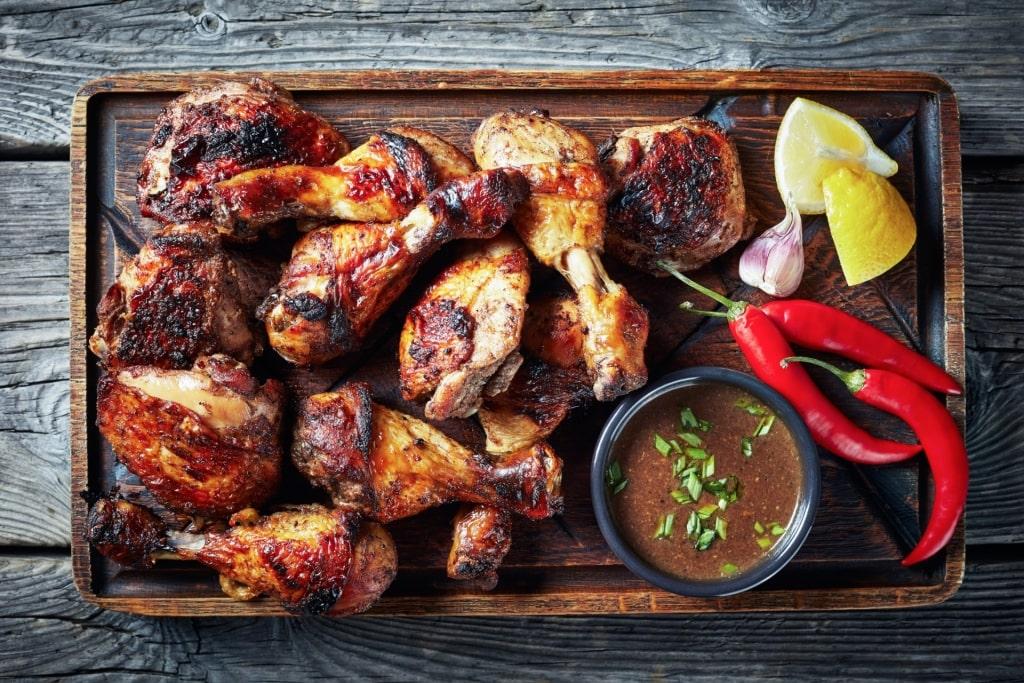
Welcome to the vibrant world of Caribbean cuisine, a colorful tapestry woven from the island’s rich cultural heritage, diverse histories, and abundant natural resources. At the heart of this culinary journey lies an array of traditional spices that not only enhance flavor but also tell stories of the land and the people who inhabit it. From the fiery heat of Scotch bonnet peppers to the warm embrace of allspice, these ingredients are more than mere seasonings—they are the essence of Caribbean identity, connecting generations and cultures. In this article, we will dive deep into the fascinating role that traditional spices play in Caribbean cooking, exploring their origins, culinary applications, and the ways they elevate dishes to culinary masterpieces. Join us as we embark on a flavorful exploration that celebrates the spices that give Caribbean cuisine its unique character and charm.
Table of Contents
- Understanding the Unique Flavor Profiles of Caribbean Spices
- Essential Spices that Define Caribbean Dishes
- How to Incorporate Traditional Spices into Everyday Cooking
- Cultural Significance of Spices in Caribbean Heritage and Celebrations
- Final Thoughts
Understanding the Unique Flavor Profiles of Caribbean Spices
The Caribbean boasts a vibrant tapestry of flavors, largely attributed to its diverse range of spices. Each island has its own distinct palette, influenced by indigenous cultures and colonial histories. For instance, allspice, often dubbed “pimento,” is a star in Jamaican cuisine, delivering a warm, sweet, and slightly peppery flavor that enhances both savory and sweet dishes. In contrast, the fiery Scotch bonnet pepper reigns supreme in hot sauces and marinades, offering a robust heat balanced with fruity undertones.
Exploring further, spices like cinnamon and nutmeg are essential to many Caribbean desserts, infusing incomparable warmth to dishes such as rum cake and rice pudding. Another noteworthy spice is cumin, particularly cherished in Puerto Rican or Dominican dishes, where it imparts an earthy richness. The amalgamation of these unique spices creates an irresistible allure, inviting food lovers to experience the tropical and aromatic depths of Caribbean cuisine.
Essential Spices that Define Caribbean Dishes
The vibrant essence of Caribbean cuisine is highly influenced by a range of traditional spices that not only enhance flavors but also bring a sense of cultural identity to every dish. These essential spices form the backbone of many culinary creations, providing heat, sweetness, and aromatic profiles that make Caribbean food globally celebrated. Allspice, often referred to as “pimento,” is a staple. Its warm, sweet flavor reminiscent of cinnamon, nutmeg, and cloves makes it perfect for seasoning meats and adding depth to marinades. Thyme, both fresh and dried, contributes a fragrant herbaceous note that is integral in stews and sauces. Another key player is Scotch Bonnet peppers; these tiny fiery chilis elevate dishes with their unique heat and tropical fruity undertones, making them a quintessential ingredient in Caribbean curries and salsas.
Additionally, cumin and coriander are vital for infusing authenticity into many Caribbean dishes; they offer an earthy warmth and citrusy flair that complements beans, rice, and vegetable dishes beautifully. Garlic and onions serve as foundational flavors in numerous preparations, creating a savory base for sauces and soups. To illustrate the diversity of spices, here’s a quick overview of some other key spices commonly used in Caribbean cooking:
| Spice | Flavor Profile | Culinary Use |
|---|---|---|
| Nutmeg | Warm, sweet, and aromatic | Desserts, drinks, savory dishes |
| Bay Leaves | Floral and herbal | Soups, stews, rice dishes |
| Ginger | Pungent, spicy, and sweet | Meats, marinades, confections |
| Black Pepper | Sharp and pungent | Seasoning for almost all dishes |
How to Incorporate Traditional Spices into Everyday Cooking
Incorporating traditional Caribbean spices into your everyday cooking can elevate simple dishes into flavorful, aromatic experiences. Start by using allspice, known for its warm, clove-like flavor, in marinades, rubs, or even desserts. You can also add a pinch of nutmeg to your mornings by sprinkling it on oatmeal or pancakes, which offers a subtle warmth to sweet dishes. Additionally, the fiery heat of Scotch bonnet peppers can be managed for everyday meals; try infusing oils or sauces to introduce just enough heat without overwhelming your palate.
Consider experimenting with fresh herbs like thyme and cilantro, which are commonly found in Caribbean cuisine. They not only enhance the freshness of your meals but also pair beautifully with proteins and vegetables alike. For instance, a simple vegetable stir-fry can be transformed by adding sautéed garlic and thyme for depth. Furthermore, don’t underestimate the power of spices like cumin and coriander; a sprinkle in your stews or soups can create a delightful complexity. Use the table below to keep track of your favorite spices and their culinary uses:
| Spice | Culinary Use |
|---|---|
| Allspice | Marinades, desserts |
| Nutmeg | Oatmeal, pancakes |
| Scotch Bonnet | Hot sauces, infused oils |
| Thyme | Soups, roasts |
| Cumin | Stews, dips |
Cultural Significance of Spices in Caribbean Heritage and Celebrations
The Caribbean is a vibrant tapestry of cultures, and traditional spices play a vital role in expressing that rich heritage. As the region’s history intertwines with indigenous practices, colonization, and the transatlantic slave trade, spices have emerged not only as essential ingredients in culinary creations but also as symbols of unity and resilience. Many Caribbean festivals and celebrations prominently feature spices, highlighting their significance in rituals and communal gatherings. For instance, during events like Carnival and the Junkanoo Festival, dishes infused with jerk seasoning, allspice, and cinnamon are served, showcasing the flavors that echo the diversity of the island’s people.
The role of spices in Caribbean culture transcends mere flavor, embodying stories of ancestral heritage and the blending of traditions. Many families pass down recipes that utilize a variety of spices—preparing dishes that evoke memories and connect generations. In homes across the islands, you’ll find spices like sage, nutmeg, and thyme not only in the kitchen but also as central elements in ceremonial cooking. For example, during the festive season, a traditional meal might feature a blend of spices, presented in festive dishes that encourage sharing and reflection. Whether it’s through the warmth of a bowl of soup or the celebration of a grand feast, spices uniquely narrate the Caribbean’s cultural identity.
Final Thoughts
As we wrap up our flavorful journey through the enchanting world of Caribbean cuisine, it’s clear that traditional spices are not just mere enhancements but the very heartbeat of these vibrant dishes. From the fiery kick of Scotch bonnet peppers to the aromatic embrace of allspice, each ingredient tells a story of culture, history, and a deep connection to the land and sea.
Embracing these spices in your own cooking is an invitation to savor the essence of the Caribbean, allowing you to recreate its warmth and richness in your kitchen. Whether you’re preparing a traditional island stew or a modern fusion dish, let these spices guide your culinary adventures and tantalize your palate.
So, don your apron and embark on your own exploration of Caribbean flavors! Remember, every sprinkle of spice is a journey back to the islands, where creativity and tradition blend beautifully. Happy cooking, and may your dishes be as vibrant and diverse as the Caribbean itself!