


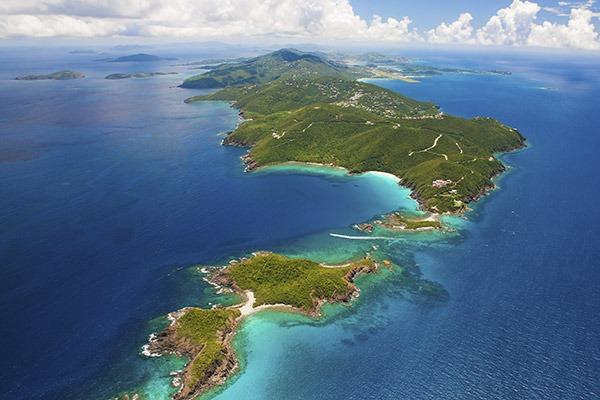
As the allure of the Caribbean islands continues to captivate those seeking both adventure and a change of pace, the journey toward establishing a new life in this vibrant region also presents an opportunity for immigrants to embrace sustainable living. With their stunning landscapes, rich cultural heritage, and welcoming communities, the Caribbean islands are not only destinations for relaxation and exploration but also emerging hubs for environmental stewardship and sustainable practices. In this article, we delve into practical guidance for newcomers navigating the unique challenges and opportunities of island life, highlighting eco-friendly initiatives, community resources, and lifestyle adjustments that can promote a harmonious balance between personal well-being and ecological responsibility. Whether you’re considering a permanent move or an extended stay, our comprehensive guide aims to empower immigrants to thrive in the Caribbean while contributing positively to their new environments.
Table of Contents
- Understanding the Caribbean Ecosystem and Its Challenges for Immigrants
- Sustainable Housing Solutions: Choosing Eco-Friendly Homes
- Adopting Local Practices: Integrating Traditional Sustainable Methods
- Building Community Connections: Engaging with Local Cultures for Lasting Impact
- To Wrap It Up
Understanding the Caribbean Ecosystem and Its Challenges for Immigrants
The Caribbean ecosystem is a vibrant tapestry of biodiversity, hosting a plethora of unique flora and fauna, breathtaking coral reefs, and lush tropical landscapes. However, this delicate balance is increasingly threatened by various factors, presenting challenges particularly relevant for immigrants seeking a sustainable life in the region. Key challenges include:
- Climate Change: Rising sea levels and extreme weather events exacerbate vulnerability for both locals and newcomers.
- Deforestation: Urban expansion and agricultural development disrupt habitats and diminish the region’s natural resources.
- Pollution: Land and water pollution diminish biodiversity, which can impact fisheries and tourism—two pillars of the Caribbean economy.
For immigrants, adapting to these challenges requires a commitment to sustainable living and active participation in local conservation efforts. Understanding the significance of preserving the Caribbean ecosystem is paramount; businesses, communities, and individuals can contribute positively by engaging in practices such as:
- Eco-Friendly Practices: Opting for renewable energy sources and reducing plastic usage.
- Local Sourcing: Supporting local farmers and artisans fosters economic resilience and reduces transportation pollution.
- Community Involvement: Joining local environmental initiatives helps newcomers integrate while safeguarding the ecosystem.
| Challenge | Impact on Immigrants |
|---|---|
| Climate Change | Increases risk of displacement and job loss. |
| Deforestation | Reduces access to clean water and rare wildlife. |
| Pollution | Affects health and local ecosystems critical for livelihood. |
Sustainable Housing Solutions: Choosing Eco-Friendly Homes
As the world increasingly embraces sustainability, eco-friendly homes have emerged as an essential choice for those looking to engage in responsible living while enjoying the idyllic climate of the Caribbean. When selecting your future home, consider properties that prioritize green architecture and utilize renewable materials. These homes, often constructed from local resources such as bamboo and reclaimed wood, not only reduce carbon footprints but also harmonize with the natural environment. Features such as solar panels, rainwater harvesting systems, and energy-efficient appliances can significantly lessen utility costs while promoting a sustainable lifestyle.
Another crucial element in opting for an eco-friendly home is assessing the community’s commitment to sustainability. Look for neighborhoods that prioritize green spaces, community gardens, and support local conservation initiatives. These areas often offer residents access to resources such as organic markets and sustainability-focused workshops. Below is a comparison table showing various sustainable housing options in the Caribbean to help you make informed decisions:
| Location | Housing Style | Eco-Friendly Features |
|---|---|---|
| Bermuda | Cob Homes | Natural insulation, low environmental impact |
| Dominica | Wooden Chalets | Locally sourced timber, double-glazed windows |
| Jamaica | Solar-Powered Villas | Solar panels, rainwater catchment |
| St. Lucia | Bamboo Cottages | Sustainable materials, natural cooling |
Adopting Local Practices: Integrating Traditional Sustainable Methods
Embracing local customs in the Caribbean offers immigrants a unique opportunity to adopt sustainable living practices that have been honed over generations. Many island communities have relied on methods that not only benefit the environment but also strengthen local cultures and economies. By integrating traditional techniques such as composting, crop rotation, and natural pest control, immigrants can contribute to the ecological balance of their new homes while fostering connections with the fabric of island life. Engaging with local farmers and artisans can also provide insights into sustainable commodity production, which supports both community growth and personal well-being.
Additionally, leveraging local materials for construction and crafts can significantly reduce environmental impact. Many Caribbean islands have rich resources, like bamboo and coconut, which can be used for building and manufacturing sustainable products. For those interested in permaculture, participating in community gardens not only enhances food security but also promotes biodiversity. Here’s a brief overview of traditional sustainable practices:
| Practice | Benefits |
|---|---|
| Agroforestry | Improves soil quality and increases biodiversity |
| Fish Traps | Supports sustainable fishing and minimizes overfishing |
| Rainwater Harvesting | Enhances water conservation and reduces dependency on freshwater resources |
Building Community Connections: Engaging with Local Cultures for Lasting Impact
Engaging with local cultures is an essential aspect of sustainable living – especially for immigrants seeking to integrate into the vibrant communities of the Caribbean islands. By embracing the unique traditions, practices, and values of these locales, individuals can foster meaningful connections that contribute to both personal enrichment and community development. This involvement can take many forms, such as participating in local festivals, supporting artisans, or volunteering for community projects. Here are some ways to get involved:
- Attend Cultural Events: Immerse yourself in the local festivities to understand the heritage and customs of the island.
- Support Local Businesses: Choose to shop at local markets and dine at family-owned restaurants to stimulate the economy.
- Learn the Language: Engaging in the local dialect opens doors to deeper connections with residents.
- Volunteer: Contribute your skills and time to local organizations, helping to address community needs.
Moreover, creating a bridge between cultures can lead to innovative solutions for sustainable practices. Establishing collaborations among various cultural groups promotes knowledge sharing, leading to enriched lifestyles and practices that respect the environment. For example, partnerships can focus on sustainable agriculture techniques that embody traditional methods. The table below presents a few community projects that highlight the harmony between local practices and sustainable living:
| Project Name | Description | Location |
|---|---|---|
| Island Harvest | Promotes community gardens using traditional farming methods. | St. Lucia |
| Artisan Initiative | Supports local artisans in sustainable craft production. | Barbados |
| Beach Clean-Up | Engages community members in preserving coastal ecosystems. | Jamaica |
To Wrap It Up
As we conclude our exploration of Caribbean islands through the lens of sustainable living for immigrants, it is clear that these vibrant communities offer not only stunning landscapes but also invaluable lessons in environmental stewardship and cultural integration. The commitment to sustainability found throughout the Caribbean serves as a beacon for newcomers seeking to harmonize their lives with the natural world while respecting the rich traditions of their host countries.
By embracing practices that prioritize ecological balance and social equity, immigrants can not only enrich their own experiences but also contribute positively to the local ecosystems and economies. The Caribbean’s unique blend of opportunity and responsibility presents a compelling case for a mindful approach to living for both newcomers and established residents alike.
As these islands continue to navigate the challenges of climate change and globalization, the role of sustainable living becomes ever more significant. We encourage readers to consider how they can be part of this transformative journey, fostering a legacy of resilience and harmony in one of the world’s most beautiful regions. Together, let us pave the way for a future where prosperity and sustainability go hand in hand, ensuring that the Caribbean remains a cherished destination for generations to come.