


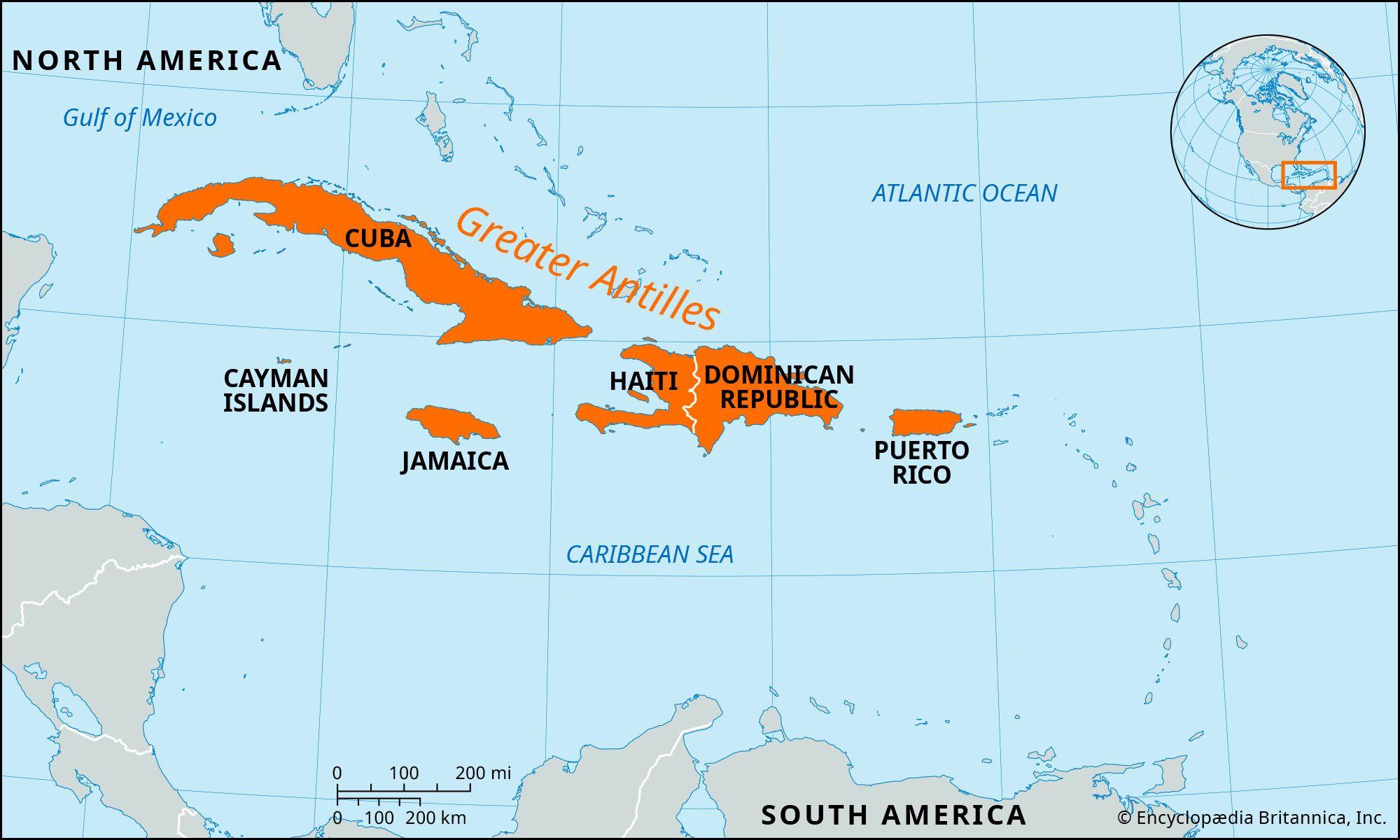
When it comes to the Caribbean, the allure of its sun-kissed beaches, vibrant cultures, and azure waters is irresistible. But with over 7,000 islands and cays, getting around in this tropical paradise can be just as exciting as the destinations themselves. Whether you’re island hopping between the Bahamas, navigating the lush landscapes of Saint Lucia, or soaking up the rich history of Puerto Rico, understanding your transportation options is key to maximizing your experience. In this article, we’ll dive into the various ways you can travel across the Caribbean—ferries, boats, and planes—each offering a unique perspective of this enchanting region. So, whether you’re planning a laid-back getaway or an adventurous exploration of the islands, let’s uncover the best transport options to help you make the most of your Caribbean journey.
Table of Contents
- Choosing the Right Mode of Transport for Island Hopping
- Essential Ferry Routes for Seamless Caribbean Exploration
- Navigating the Islands by Boat: Tips for a Smooth Journey
- Flying Between the Islands: Pros, Cons, and Key Airlines
- The Conclusion
Choosing the Right Mode of Transport for Island Hopping
When it comes to exploring the enchanting Caribbean islands, your choice of transportation plays a pivotal role in enhancing your adventure. Ferries are often the most popular option, offering a balance of cost-effectiveness and scenic views. They typically provide a reliable schedule, connecting major islands effortlessly and allowing for leisurely travel. With spacious decks, travelers can enjoy the stunning sea vistas while mingling with locals and fellow tourists alike. Key advantages of ferries include:
- Affordability: Generally cheaper than flights.
- Scenic Journeys: Breathtaking views and the chance to spot marine life.
- Direct Routes: Access to smaller, less commercial islands.
Alternatively, smaller boats and catamarans offer an intimate adventure for those seeking a more personalized experience. These vessels often cater to tourists looking for day trips and private charters, allowing for off-the-beaten-path exploration. They can expertly navigate smaller coves and beaches that larger ferries cannot reach. Consider these options if you want to explore hidden gems or indulge in water activities. A comparison of popular modes of transport can be helpful:
| Mode of Transport | Pros | Cons |
|---|---|---|
| Ferries | Cost-effective, regular schedules | Limited to major routes |
| Small Boats | More intimate experience, flexible routes | Higher cost per trip |
| Planes | Fast, connects farther islands | Can be expensive, less scenic |
Essential Ferry Routes for Seamless Caribbean Exploration
When venturing through the picturesque Caribbean, ferry routes provide a perfect blend of stunning views and convenient connections between islands. Popular options include the routes that link the larger islands, ensuring travelers have ample opportunities to explore diverse cultures and landscapes. Some of the must-know routes include:
- St. Thomas to St. John: Just a short 20-minute ride, this ferry immerses you into nature and pristine beaches.
- San Juan to Vieques: Offering direct access to the bioluminescent bay, this ferry is a gateway to breathtaking experiences.
- Antigua to Barbuda: A scenic journey that showcases beautiful waters and leads you to the tranquil shores of Barbuda.
In addition to these well-trodden paths, various ferry companies often offer special routes during peak seasons, making it essential to plan ahead. Below is a comparison of ferry services that cater to exciting island-hopping adventures:
| Ferry Service | Departure Islands | Duration | Frequency |
|---|---|---|---|
| Viking Ferry | St. Thomas, St. John | 20 mins | Hourly |
| Ferry Express | San Juan, Vieques | 30 mins | Every 2 hours |
| Antigua Ferries | Antigua, Barbuda | 60 mins | Twice daily |
Navigating the Islands by Boat: Tips for a Smooth Journey
When setting sail across the azure waters of the Caribbean, preparation is key to ensuring a smooth experience. Check the boat schedules in advance, as they can vary significantly depending on the season and the island you’re visiting. Arrive early at the port to avoid any last-minute surprises, and don’t forget to verify your tickets and identification. It’s wise to keep essentials in a waterproof bag, including your passport, cash in small denominations, sunscreen, and any necessary medications. Also, consider the weather — if storms are predicted, you might want to reschedule your trip or choose a more enclosed ferry option.
Safety on the water is paramount, so familiarize yourself with the ferry or boat’s safety protocols. Make sure to understand the emergency procedures, including where life jackets are stored and how to access emergency contacts. When embarking, keep your belongings close, but try to secure them in a compartment or under your seat to avoid clutter in the aisles. Here are some quick tips to enhance your journey:
- Dress in light layers – the weather can change quickly.
- Stay hydrated; bring a refillable water bottle.
- Bring snacks to keep your energy up during the trip.
- Utilize onboard entertainment options, such as books or music, to pass the time.
Flying Between the Islands: Pros, Cons, and Key Airlines
When considering travel between Caribbean islands, flying offers a range of advantages that can significantly enhance your experience. Speed and convenience are among the most compelling reasons to consider air travel. With non-stop and short-haul flights available, you can minimize transit time and maximize your enjoyment of each destination. Additionally, airlines often provide flexible schedules, making it easier to plan day trips or spontaneous getaways. This is particularly beneficial for travelers looking to explore multiple islands within a limited timeframe.
However, the drawbacks of flying should not be overlooked. Costs can vary, and last-minute flights might be prohibitively expensive compared to other modes of transportation like ferries. Additionally, there may be restricted luggage allowances, which can complicate packing for longer trips. On the flip side, smaller commuter planes may experience seasonal cancellations or weather delays, causing potential disruptions to your travel plans. To assist with your planning, here’s a quick look at some key airlines operating in the Caribbean:
| Airline | Popular Routes | Notable Features |
|---|---|---|
| Caribbean Airlines | Trinidad to Tobago | Frequent flight schedules |
| American Airlines | Miami to Aruba | Diverse network and loyalty program |
| JetBlue | New York to St. Lucia | Affordable fares and modern fleet |
| InterCaribbean Airways | Turks and Caicos to Bahamas | Regional connectivity |
The Conclusion
As we wrap up our exploration of the vibrant Caribbean islands and the various modes of transportation that connect them, it’s clear that each journey—whether by ferry, boat, or plane—offers a unique perspective on these stunning destinations. From the gentle sway of a ferry ride across turquoise waters to the breathtaking views from a plane high above, the way you choose to travel can enhance your experience and unveil hidden gems along the way.
Remember, each island has its own charm and character, waiting to be discovered. Whether you prefer the leisurely pace of island-hopping by boat or the quick transitions that flights offer, the Caribbean is rich with opportunities for adventure and relaxation alike. So, pack your bags, plan your route, and get ready to dive into the vibrant culture, stunning landscapes, and warm hospitality that the Caribbean islands have to offer.
We hope this guide has inspired you to consider your travel options carefully and make the most of your island-hopping experience. Safe travels, and may your Caribbean journey be as enriching as it is enjoyable!