


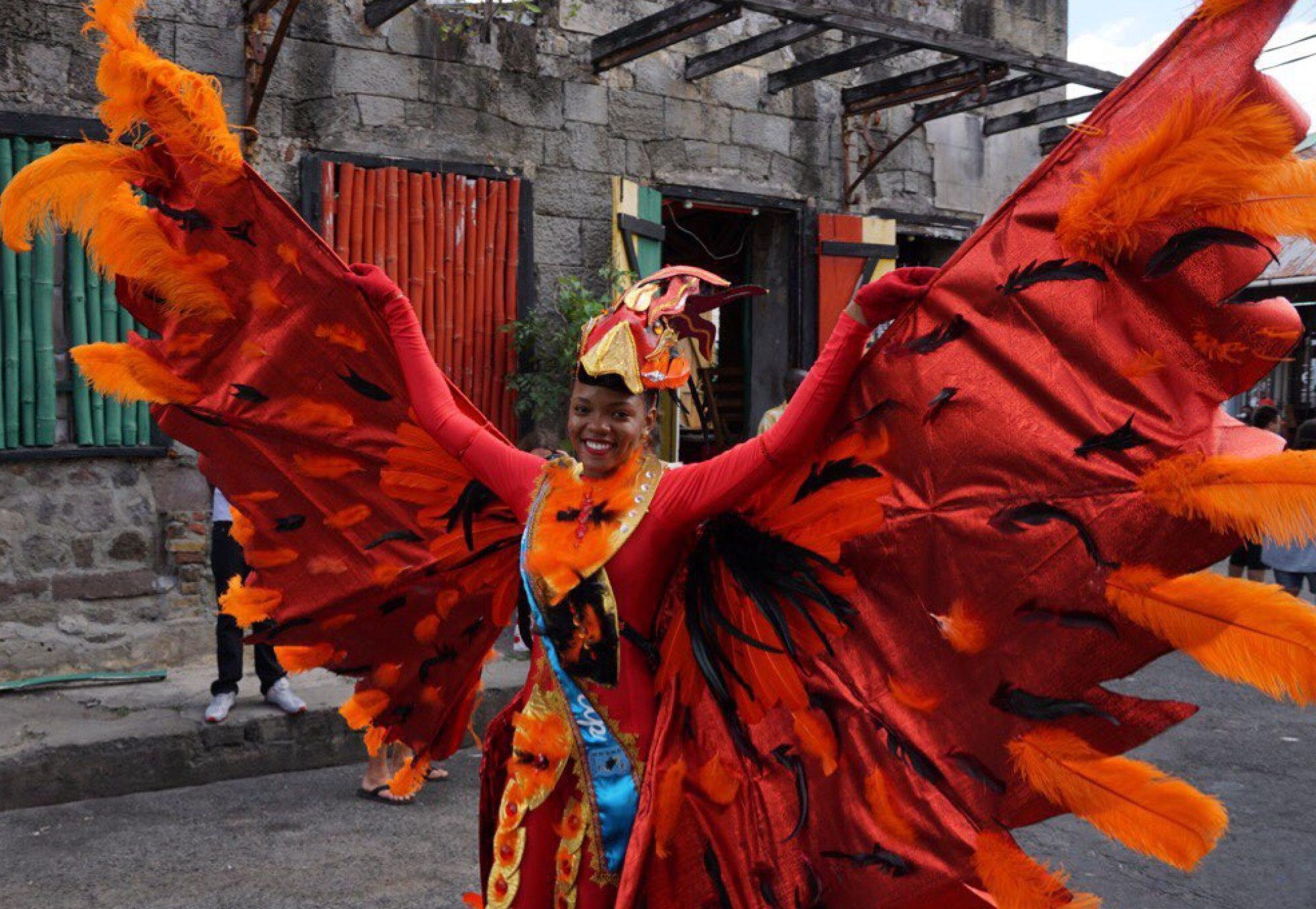
: A Cultural Tapestry in Urban Landscapes
As globalization continues to reshape societal structures and cultural identities, cities around the world are becoming melting pots of diversity, drawing on the rich traditions and histories of their inhabitants. Among the most dynamic contributors to this cultural mosaic are the Caribbean diaspora communities, which infuse urban landscapes with their vibrant customs, rhythms, and flavors. From the lively streets of Brooklyn to the sun-drenched neighborhoods of Miami, these communities not only maintain strong ties to their ancestral homelands but also redefine the urban experience, fostering a unique blend of heritage and innovation. This article delves into key cities where Caribbean diaspora communities thrive, exploring their historical journeys, cultural contributions, and the challenges they face in preserving their identities amidst the complexities of urban life. Through this exploration, we aim to highlight the resilience and creativity of these communities, celebrating their impact on the social fabric of their adopted homes.
Table of Contents
- Exploring Cultural Heritage: The Impact of Caribbean Communities on Urban Landscapes
- Culinary Journeys: Savoring Authentic Caribbean Flavors in Diaspora Cities
- Celebrating Festivals: Immersing in Caribbean Traditions and Events Around the World
- Community Engagement: Supporting Local Shops and Initiatives for Sustainable Growth
- The Way Forward
Exploring Cultural Heritage: The Impact of Caribbean Communities on Urban Landscapes
The Caribbean diaspora has significantly influenced urban landscapes, infusing cities with vibrant cultural expressions that reflect their rich heritage. This impact is evident in various ways, including architectural styles, local cuisine, and artistic movements. Street festivals celebrating Caribbean traditions, such as Carnival, not only enhance community bonds but also attract tourism, energizing local economies. Additionally, urban neighborhoods often become melting pots that showcase the diversity of Caribbean cultures, where significant elements include:
- Local Artisans: Crafting traditional goods, promoting cultural identity.
- Culinary Diversity: Restaurants serving dishes like jerk chicken or roti.
- Music and Dance: Reggae, calypso, and dancehall enriching the city’s cultural fabric.
Moreover, urban areas with notable Caribbean populations often see the establishment of community centers that serve as cultural hubs. These centers not only host events but are also platforms for educational workshops, helping to transmit cultural knowledge to younger generations. A look at some prominent cities reveals a continued commitment to cultural heritage preservation:
| City | Cultural Highlight | Annual Event |
|---|---|---|
| Brooklyn, NY | West Indian Day Parade | Carnival |
| Toronto, Canada | Taste of the Caribbean | Caribbean Carnival |
| L.A., CA | Caribbean Film Festival | LA Caribbean Heritage Fest |
Culinary Journeys: Savoring Authentic Caribbean Flavors in Diaspora Cities
The Caribbean diaspora has beautifully woven its flavorful legacy into the culinary landscapes of cities around the globe. In neighborhoods rich with Caribbean culture, one can embark on an unforgettable culinary adventure that highlights authentic local ingredients and traditional cooking methods. From the vibrant streets of Brooklyn’s Flatbush to the lively markets in Toronto’s Kensington Market, these urban hubs offer a smorgasbord of culinary delights. Each bite tells a story, reflecting the traditions of islands such as Jamaica, Trinidad, and Barbados, ensuring that food lovers experience the genuine taste of the Caribbean, even far from its shores.
As you navigate these foodie hotspots, be sure to explore local gems and favorites that stand out for their creativity and passion. Consider indulging in:
- Jerk Chicken – A Jamaican classic, marinated with spices and grilled to perfection.
- Roti – A Trinidadian staple, filled with curried meats or vegetables.
- Conch Fritters – A Bahamian favorite, crispy and packed with flavor.
- Patties – Savory pastry shells filled with a variety of delicious ingredients.
Many of these dishes are best enjoyed at local eateries, food festivals, or night markets where you can not only savor the flavors but also immerse yourself in the vibrant culture that comes alive in these communities. The tenacity and creativity of chefs preserving their heritage contribute to a rich culinary tapestry that continues to evolve while honoring tradition.
Celebrating Festivals: Immersing in Caribbean Traditions and Events Around the World
Across the globe, the vibrant spirit of Caribbean traditions comes alive through a kaleidoscope of festivals that reflect the rich cultural heritage of the diaspora. Cities like New York, London, and Toronto serve as focal points for these celebrations, attracting both locals and visitors eager to experience the rhythm of Caribbean life. Events such as the annual Notting Hill Carnival in London and the Caribana Festival in Toronto showcase an engaging display of music, dance, and art. These festivals often include:
- Colorful parades featuring handcrafted costumes
- Live music ranging from reggae to soca
- Culinary delights with traditional Caribbean dishes
The connection to these celebrations goes beyond mere festivity; they foster a sense of community and identity among Caribbean people worldwide. Festivals not only preserve ancestral traditions but also provide a platform for cultural exchange. To illustrate this deep-rooted cultural significance, the table below highlights several popular festivals and their respective cities:
| Festival | City | Month |
|---|---|---|
| Notting Hill Carnival | London | August |
| Caribana Festival | Toronto | July |
| Miami Carnival | Miami | October |
| San Francisco Carnival | San Francisco | May |
Community Engagement: Supporting Local Shops and Initiatives for Sustainable Growth
In vibrant cities where Caribbean diaspora communities thrive, local shops and initiatives play a pivotal role in sustaining not only the economy but also the culture. These establishments are more than just places to shop; they act as vital community hubs that foster connections and celebrate shared heritage. By prioritizing local businesses, residents can:
- Revitalize neighborhoods through unique cultural experiences.
- Support artisans and entrepreneurs who reflect the community’s heritage.
- Encourage sustainable practices by investing in local and eco-friendly products.
Moreover, community engagement initiatives can further enhance this connection between residents and local enterprises. Collaborative events such as street fairs, farmer’s markets, and cultural festivals not only promote local goods but also provide a platform for residents to unite, share ideas, and cultivate a deeper appreciation for their roots. Here are a few examples of successful community initiatives:
| Event | Purpose | Frequency |
|---|---|---|
| Caribbean Carnival | Celebrate cultural heritage | Annual |
| Local Artisans Fair | Promote local crafts | Monthly |
| Farmers’ Market | Support local agriculture | Weekly |
The Way Forward
exploring cities enriched by vibrant Caribbean diaspora communities offers a profound understanding of the cultural, social, and economic contributions these communities make to the urban landscape. From lively festivals and authentic culinary experiences to the innovative artistic expressions that celebrate Caribbean heritage, these locales serve as living testaments to resilience and the enduring spirit of the Caribbean people. As we continue to acknowledge and appreciate the diversity within our cities, it becomes increasingly vital to support and engage with these communities, fostering greater intercultural dialog and unity. Through this exploration, we not only celebrate the richness of Caribbean culture but also recognize the invaluable role it plays in shaping our global society. We encourage readers to visit these dynamic cities, immerse themselves in the experiences they offer, and contribute to the ongoing story of the Caribbean diaspora—one that is woven into the very fabric of our urban existence.