


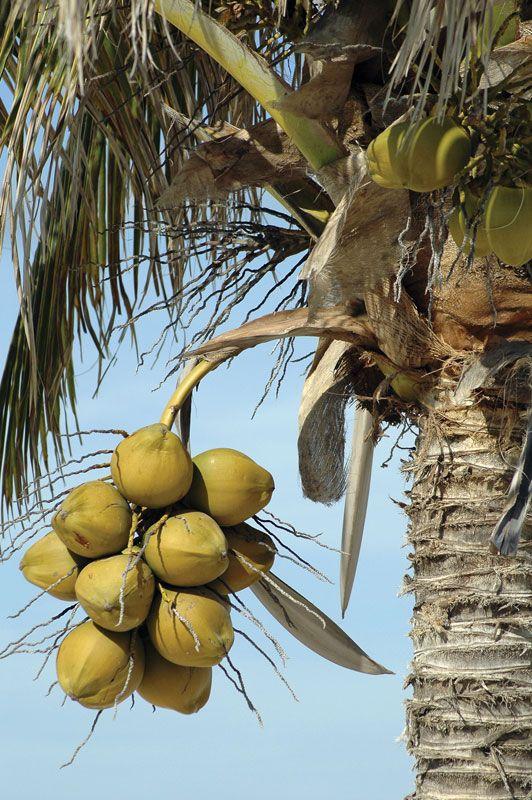
When it comes to Caribbean cuisine, few ingredients evoke the same sense of tropical allure as coconut. This versatile fruit, with its creamy white flesh, refreshing water, and rich oil, has been a culinary staple across the islands for centuries. From the bustling markets of Jamaica to the tranquil beaches of Barbados, coconut not only enhances the flavors of dishes but also reflects the rich cultural tapestry of the region. In this article, we will delve into the myriad ways coconut is utilized in Caribbean cooking, highlighting its nutritional benefits, its role in traditional recipes, and its integral connection to local customs and celebrations. Join us on this flavorful journey as we uncover why coconut deserves its esteemed place at the heart of Caribbean cuisine.
Table of Contents
- The Culinary Importance of Coconut in Caribbean Dishes
- Diverse Uses of Coconut in Traditional Recipes
- Health Benefits of Coconut: A Nutritional Powerhouse
- Sourcing and Selecting Quality Coconut Products for Your Kitchen
- To Conclude
The Culinary Importance of Coconut in Caribbean Dishes
The culinary landscape of the Caribbean is a vibrant tapestry woven with flavors, colors, and traditions, where coconut stands as a pivotal ingredient. Coconut milk, extracted from the lush kernels, lends a rich, creamy texture to dishes, transforming simple ingredients into sumptuous creations. This versatile element is found in classic recipes such as rice and peas, where it provides not just moisture, but also a unique sweetness that perfectly balances spices. In desserts, coconut adds a delightful chewiness, whether in the form of shredded coconut in pies or as a base for traditional treats like coconut drops and coconut tart. The use of coconut enhances not just the flavor, but the cultural significance of these dishes, embedding history and storytelling through its taste.
Moreover, the nutritional benefits of coconut contribute to its cherished status in Caribbean cooking. Rich in medium-chain triglycerides (MCTs), coconut oil is praised for its potential health benefits, making it a favored cooking fat among locals. Many Caribbean chefs utilize it in marinating and frying seafood, adding depth and a hint of tropical aroma to dishes like fish escovitch or coconut curry goat. The physical presence of the coconut, from its rugged exterior to the soft, velvety insides, symbolizes the region’s abundant resources. To illustrate its culinary significance, here’s a brief comparison of different coconut forms used in Caribbean cuisine:
| Coconut Form | Culinary Use | Key Features |
|---|---|---|
| Coconut Milk | Base for curries and stews | Creamy texture, subtly sweet |
| Coconut Oil | Cooking and frying | High smoke point, rich flavor |
| Shredded Coconut | Baking and toppings | Chewy texture, adds sweetness |
Diverse Uses of Coconut in Traditional Recipes
Coconut serves as a cornerstone in Caribbean cooking, lending its unique flavor and texture to a variety of traditional recipes. This versatile ingredient can be found in different forms—fresh, dried, grated, or as milk—which allows it to be seamlessly integrated into both savory and sweet dishes. The richness of coconut milk, for instance, adds a creamy texture to classic dishes such as curry and rice and peas, enhancing their depth of flavor while complementing the spices that are hallmarks of the region’s culinary identity. Coconut oil, heralded for its high smoke point, is frequently used in frying and sautéing, offering a subtle hint of sweetness that elevates everyday meals.
In addition to its savory applications, coconut plays an indispensable role in the creation of irresistible desserts. The delightful crunch of toasted coconut flakes adds a new dimension to treats like coconut flan and coconut drops. Meanwhile, the sweetness of coconut cream is a key ingredient in traditional beverages such as piña colada and sorrel drink, both of which capture the essence of island life. A glimpse at some popular coconut-infused dishes reveals just how deeply woven this tropical fruit is into the fabric of Caribbean cuisine:
| Dishes | Main Ingredients | Coconut Form |
|---|---|---|
| Rice and Peas | Rice, kidney beans, scallions | Coconut Milk |
| Coconut Curry | Chicken or vegetables, curry spices | Coconut Milk |
| Coconut Flan | Eggs, sugar, vanilla | Coconut Cream |
| Coconut Drops | Flour, brown sugar, spices | Grated Coconut |
Health Benefits of Coconut: A Nutritional Powerhouse
Coconut is often touted as a nutritional powerhouse, offering an impressive array of health benefits that enhance its role in Caribbean cuisine. This tropical fruit is rich in essential nutrients, including dietary fiber and healthy fats. The medium-chain triglycerides (MCTs) found in coconut oil can boost metabolism and promote weight management, making it a beneficial ingredient for those seeking a balanced diet. Moreover, coconuts are naturally hydrating thanks to their high water content and are an excellent source of electrolytes, such as potassium and magnesium, which are crucial for maintaining hydration and supporting overall bodily functions.
In addition to their macronutrient profile, coconuts are packed with antioxidants that combat oxidative stress, promoting heart health and potentially lowering the risk of chronic diseases. The following are some key nutrients found in coconuts:
| Nutrient | Benefits |
|---|---|
| Fiber | Improves digestion and promotes gut health. |
| Iron | Supports blood health and oxygen transportation. |
| Vitamin C | Boosts immunity and skin health. |
| Fatty Acids | Provides energy and supports brain health. |
Ultimately, integrating coconut into everyday meals not only enhances flavor but also contributes to overall well-being, making it an essential component of Caribbean culinary traditions.
Sourcing and Selecting Quality Coconut Products for Your Kitchen
When it comes to incorporating coconut into your Caribbean dishes, the quality of the coconut products you choose can significantly impact the flavor and authenticity of your meals. Look for products made from fresh coconuts, ideally sourced from local Caribbean suppliers who prioritize sustainability and traditional farming practices. Whether it’s coconut oil, shredded coconut, or coconut milk, freshness is key. Consider these tips when selecting coconut products for your kitchen:
- Check the ingredient list: Opt for products with minimal processing and no artificial additives.
- Choose organic: Organic coconut products often have richer flavors and are free from harmful chemicals.
- Review packaging: Reputable brands use packaging that preserves freshness, like vacuum-sealed or glass containers.
Additionally, understanding the different varieties of coconut products can empower you to make better choices. For instance, extra virgin coconut oil is unrefined and retains its natural coconut flavor, making it ideal for sautéing or as a dressing. On the other hand, coconut cream produces a thick, rich consistency perfect for curries or desserts. Here’s a brief comparison:
| Product | Best Uses | Flavor Profile |
|---|---|---|
| Extra Virgin Coconut Oil | Cooking, Baking | Rich, Coconutty |
| Coconut Milk | Curries, Soups | Sweet, Creamy |
| Coconut Cream | Desserts, Smoothies | Thick, Decadent |
To Conclude
As we conclude our culinary journey through the vibrant world of Caribbean cuisine, it’s impossible to overlook the profound role that coconut plays in this diverse and flavorful tapestry. From the creamy richness of coconut milk in savory curries to the sweet crunch of toasted coconut in desserts, this tropical treasure is woven into the very fabric of the islands’ culinary identity.
Coconut isn’t just an ingredient; it’s a symbol of the Caribbean’s resilience, innovation, and connection to nature. Its versatility and adaptability speak to the diverse cultures that have influenced Caribbean cooking, showcasing a harmony of flavors that can only be described as a true reflection of island life.
We hope this exploration has inspired you to appreciate coconut not just as a staple, but as a catalyst for creativity in your own kitchen. Whether you’re whipping up a traditional dish or experimenting with modern interpretations, let the spirit of the Caribbean guide you. So, grab that coconut, roll up your sleeves, and embrace the adventure that awaits in your cooking!
Your culinary journey doesn’t end here. Stay tuned for more insights and recipes that delve deeper into the heart of Caribbean cuisine, and don’t forget to share your own coconut-inspired creations with us. Happy cooking!