


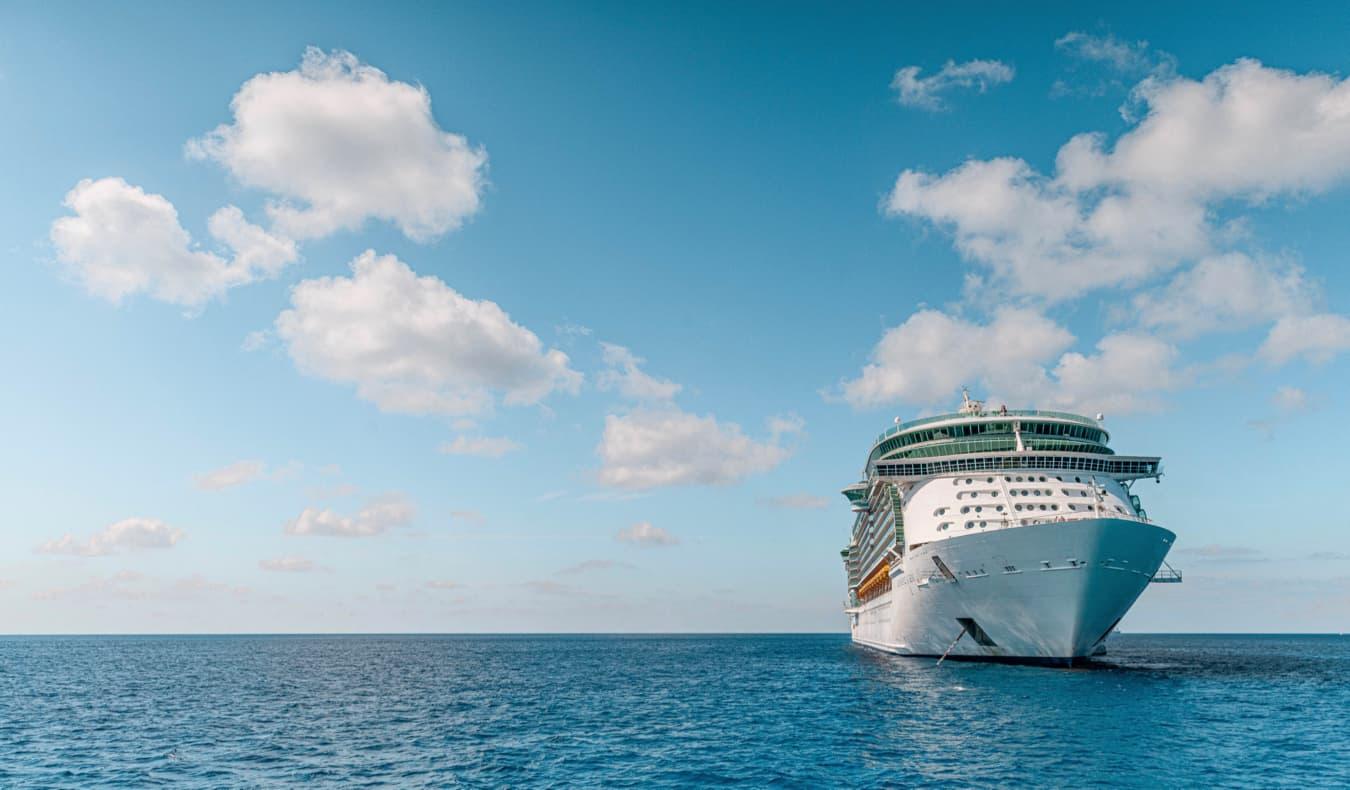
The Caribbean, with its sun-kissed beaches, vibrant cultures, and breathtaking landscapes, has long been a favorite destination for travelers seek the allure of adventure and relaxation. The cruise tourism industry has surged in recent years, promising visitors unique ways to experience the diverse beauty of the region while bolstering local economies. However, beneath the surface of this booming sector lies a complex web of ecological implications that often goes unnoticed. As ships dock in picturesque ports and tourists embark on their shore excursions, the delicate ecosystems that define much of the Caribbean face unprecedented pressures. From the stunning coral reefs to lush mangroves, the very features that attract millions of visitors are under threat. In this article, we’ll delve into the intricate relationship between cruise tourism and Caribbean ecosystems, examining both the benefits and the consequences, and ultimately, exploring how we can ensure that this paradise remains intact for future generations. Join us as we navigate the waters of sustainability, stewardship, and the urgent need for responsible tourism practices in this enchanting region.
Table of Contents
- Understanding the Environmental Impact of Cruise Tourism on Caribbean Marine Life
- Assessing the Socioeconomic Consequences of Cruise Ship Influx on Local Communities
- Implementing Sustainable Practices: Strategies for Mitigating Ecological Damage
- Enhancing Visitor Education: The Role of Tour Operators in Promoting Eco-Conscious Travel
- Wrapping Up
Understanding the Environmental Impact of Cruise Tourism on Caribbean Marine Life
The Caribbean, renowned for its stunning beaches and vibrant marine ecosystems, faces increasing pressure from the rise of cruise tourism. The sheer size and infrastructure of cruise ships contribute significantly to the environmental footprint in these delicate environments. Some of the primary impacts include:
- Water Pollution: Cruising vessels discharge wastewater and greywater into the ocean, introducing pollutants that can harm coral reefs and disrupt aquatic life.
- Marine Biodiversity Loss: The physical presence of ships in shallow waters can lead to damage to coral stocks and the habitats of numerous marine species.
- Invasive Species: Ballast water from ships can introduce non-native species that outcompete local flora and fauna, leading to long-term ecological imbalances.
Additionally, the impact of cruise tourism extends beyond immediate pollution. The influx of tourists can lead to habitat degradation, particularly in coastal areas vulnerable to development. Key concerns include:
| Impact | Description |
|---|---|
| Coastal Erosion | Increased foot traffic and construction can destabilize shorelines. |
| Waste Generation | High tourist numbers lead to significant waste, straining local disposal systems. |
| Cultural Pressure | Over-reliance on tourism can lead to loss of cultural identity and traditional practices. |
Assessing the Socioeconomic Consequences of Cruise Ship Influx on Local Communities
The surge in cruise tourism has undeniable impacts on local communities, particularly in the Caribbean, where picturesque islands often serve as the backdrop for these floating resorts. The economic benefits can be compelling, including:
- Increased Revenue: Local businesses, from souvenir shops to restaurants, often experience a boost in sales when ships dock.
- Job Creation: Employment opportunities in service industries expand, as local residents are hired to cater to the influx of tourists.
- Infrastructure Development: Increased demand for services can lead to improvements in local infrastructure, benefiting residents.
However, these advantages are counterbalanced by potential drawbacks that challenge the fabric of local communities. Many residents express concerns regarding:
- Environmental Degradation: The high volume of visitors can lead to strain on local ecosystems, including coral reefs and marine wildlife.
- Cultural Erosion: The towering presence of cruise ships can overshadow authentic local culture, leading to a more homogenized tourist experience.
- Disposable Economy: The revenue from cruise tourism often contributes to a seasonal or fleeting economy, neglecting sustainable long-term growth.
Implementing Sustainable Practices: Strategies for Mitigating Ecological Damage
To counteract the adverse effects of cruise tourism on Caribbean ecosystems, a multi-faceted approach is essential. This involves the integration of sustainable practices into every aspect of the cruise industry, starting with the vessels themselves. For instance, cruise lines can invest in cleaner technologies such as liquid natural gas (LNG) propulsion and advanced waste management systems that minimize pollution and ensure proper waste disposal. Furthermore, adopting policies that limit the number of ships allowed in sensitive areas can help preserve delicate marine habitats.
Additionally, engaging local communities and stakeholders is vital for creating a balanced tourism ecosystem. Collaborating with organizations focused on conservation can facilitate the development of educational programs aimed at both tourists and cruise operators to foster greater awareness about environmental sustainability. Some effective strategies include:
- Implementing shore excursions that emphasize eco-friendly practices
- Encouraging tourists to participate in reef clean-up initiatives
- Promoting local artisan markets to reduce reliance on imported goods
By integrating these strategies, the cruise industry can significantly reduce its environmental footprint while enhancing the resilience of Caribbean ecosystems. It is crucial that cruise lines adopt these practices not only as a matter of compliance but as a commitment to fostering a sustainable future for both tourism and the natural landscapes that attract millions of visitors each year.
Enhancing Visitor Education: The Role of Tour Operators in Promoting Eco-Conscious Travel
Tour operators have a unique opportunity to act as educational ambassadors for eco-conscious travel, especially within the fragile ecosystems of the Caribbean. By providing informative and interactive experiences, they can raise awareness and instill a sense of responsibility in travelers. Some effective methods include:
- Guided Nature Workshops: Offering workshops led by local experts can help visitors understand the diverse ecosystems of the Caribbean and the urgent need for conservation.
- Wildlife Observation Tours: Encouraging responsible wildlife viewing practices not only enhances the visitor experience but also stresses the importance of protecting natural habitats.
- Community Engagement Activities: Facilitating interactions with local communities allows tourists to learn about traditional sustainability practices and how they can contribute to preserving cultural and environmental heritage.
Moreover, tour operators can leverage technology to amplify their educational efforts. The integration of apps and online resources can provide real-time information on local ecosystems and conservation initiatives. An example of this can be demonstrated in the following table, highlighting key digital resources:
| Resource | Description |
|---|---|
| Eco-Apps | Mobile applications that educate users about local flora and fauna. |
| Virtual Tours | Interactive online experiences showcasing Caribbean ecosystems. |
| Conservation Blogs | Blogs that share stories of successful conservation efforts in the region. |
By embracing these practices, tour operators can not only enhance the educational aspect of travel but also inspire visitors to become champions for eco-conscious tourism, promoting sustainability and conservation long after their trip has ended.
Wrapping Up
As we conclude our exploration of cruise tourism’s effects on Caribbean ecosystems, it’s clear that this industry presents a complex interplay of economic benefits and environmental challenges. While cruise tourism can provide substantial revenue and job creation for local communities, it also poses significant threats to the delicate balance of marine and coastal ecosystems.
To safeguard the breathtaking beauty and biodiversity of the Caribbean, it’s imperative that stakeholders—governments, cruise lines, and tourists alike—work together to implement sustainable practices. Encouraging eco-friendly excursions, minimizing waste, and supporting local conservation efforts are just a few ways we can ensure that future generations enjoy these pristine waters.
As travelers, we have the power to make informed choices. Before setting sail on your next adventure, take a moment to consider the environmental impact of your journey and how you can contribute positively to the destinations you visit.
By fostering a responsible approach to cruise tourism, we can enjoy the vibrant culture and stunning natural wonders of the Caribbean without compromising their integrity. Let’s commit to leaving a light footprint, ensuring that the Caribbean remains a paradise for years to come. Safe travels, and may your journeys inspire others to protect the beauty of our world.