


Title:
In the vibrant tapestry of the Caribbean, where rhythms echo off sunlit shores and cultural expressions pulse with unparalleled energy, street entertainment has emerged as a dynamic facet of local life. Central to this captivating scene are the electrifying dance battles that draw both locals and visitors alike into a whirlwind of creativity and competition. These events not only showcase the incredible talent emerging from the diverse islands but also serve as a unique platform for cultural exchange and community bonding. As the Caribbean continues to evolve, the fusion of traditional dance styles with contemporary influences exemplifies the region’s resilience and innovation. This article delves into the exhilarating world of dance battles and street performances across the Caribbean, highlighting their significance in preserving cultural identity while also fueling tourism and fostering artistic collaboration.
Table of Contents
- The Evolution of Dance Battles in Caribbean Culture
- Unveiling the Role of Street Entertainment in Community Engagement
- Key Elements of Successful Dance Competitions and Performances
- Recommendations for Nurturing Talent and Supporting Local Artists
- To Wrap It Up
The Evolution of Dance Battles in Caribbean Culture
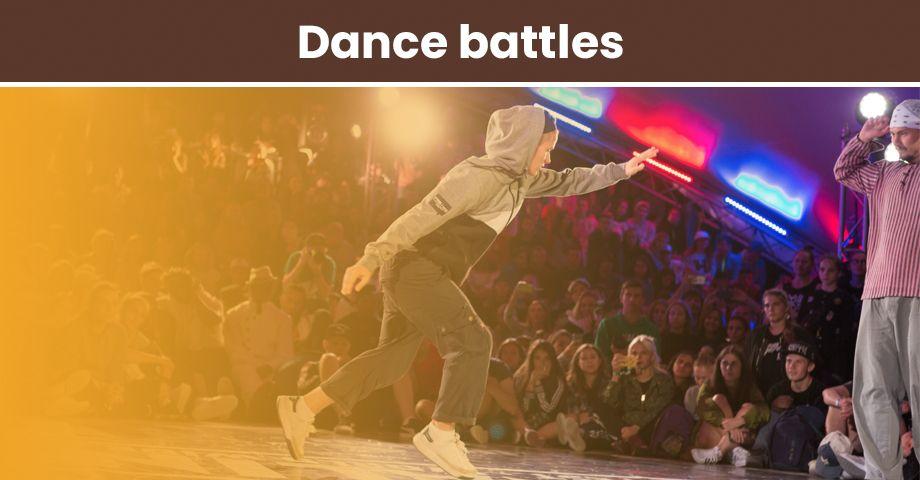
has witnessed a remarkable transformation, reflecting the region’s rich heritage and vibrant communities. Originally grounded in traditional folk dances, these battles have integrated various global influences, particularly from hip-hop and reggae, to create unique forms of expression. Local hotspots like street corners, community festivals, and dance halls serve as arenas where dancers showcase their skills, challenging one another in spirited competitions that encourage creativity and showcase individual styles. The energy in these battles draws enthusiastic crowds, making them pivotal events in social gatherings.
With the emergence of social media, dance battles have gained further traction, transcending geographical boundaries and enabling Caribbean dancers to connect with a global audience. Emphasizing camaraderie and competition, these battles allow participants to engage in a friendly rivalry, often incorporating elements such as:
- Freestyling: Dancers improvise moves on the spot, highlighting their talent.
- Styles: Each dancer showcases distinct techniques, from soca to dancehall.
- Audience Interaction: Crowds are encouraged to cheer and vote, enhancing the entertainment value.
This dynamic evolution not only celebrates Caribbean culture but also fosters a sense of community, allowing for the exchange of ideas and styles. The rise of local and international competitions has placed Caribbean dance battles on the world stage, prompting dancers to innovate and redefine the cultural significance of these events.
Unveiling the Role of Street Entertainment in Community Engagement
Street entertainment, especially through vibrant dance battles, plays a pivotal role in fostering community engagement across the Caribbean. These lively showcases not only provide a platform for local talent but also promote cultural expression. As participants showcase their skills, communities come together to support emerging artists, strengthening bonds among residents. This camaraderie is further enhanced by the diversity of styles, drawing on influences from traditional Caribbean dances to modern street dance forms. The energy generated during these events often spills over into the surrounding areas, creating a sense of pride and collective ownership among the community members.
The impact of street entertainment extends beyond mere performance; it acts as a catalyst for various social initiatives. Local organizers often collaborate with educational institutions and non-profits to provide workshops and training sessions, nurturing the next generation of performers. Moreover, these dance battles serve as a powerful means of storytelling, allowing participants to express their personal narratives and shared histories through movement. By engaging with audiences and encouraging interaction, street entertainment becomes a vital tool for social cohesion and community development, reinforcing the culture’s richness and resilience.
Key Elements of Successful Dance Competitions and Performances
Successful dance competitions and performances rely on a combination of factors that elevate the experience for both participants and audiences alike. Judging criteria must be clear and transparent, allowing dancers to understand what is expected of them, while also providing a fair evaluation that encourages diverse styles. Audience engagement plays a crucial role; when the crowd is invested in the competitors’ journeys, the energy in the venue amplifies, creating an unforgettable atmosphere. Additionally, rehearsal schedules should be strategically planned to ensure that performers are well-prepared, minimizing stage fright and maximizing the quality of their presentations.
Moreover, the format of the competition can significantly influence its success. Incorporating elements like audience voting, alongside professional judges, fosters a sense of community and investment in the outcome of the event. Another essential aspect is the venue selection; a well-equipped space with optimal lighting and sound systems enhances the overall production quality, allowing performances to shine. It’s vital to also include workshops and masterclasses as part of the event, providing participants with valuable learning experiences that can contribute to their growth as dancers. Ensuring that all these elements harmonize leads to a dynamic and memorable dance event that celebrates the vibrant culture of the Caribbean.
Recommendations for Nurturing Talent and Supporting Local Artists
To truly elevate the vibrant scene of dance battles and street entertainment in the Caribbean, a concerted effort is required to nurture local talent and support artists. Community workshops can serve as a cornerstone for development, providing a platform where seasoned performers share their skills with emerging artists. Organizations and local venues should consider hosting events that encourage collaboration between different artistic disciplines, creating a rich tapestry of cultural expression that showcases the diversity of the Caribbean’s artistic community.
In addition, establishing mentorship programs can play a vital role in guiding promising talents toward professional success. Local businesses and sponsors should actively participate by offering resources and support, including funding for projects and events. Additionally, government initiatives can be crucial; introducing incentives for artists to perform and innovate could lead to a flourishing arts scene. Consider the following table for the types of support that can be integrated:
| Support Type | Description |
|---|---|
| Workshops | Skill-building sessions led by experienced artists. |
| Mentorship | Experienced performers guide emerging talent. |
| Sponsorship | Local businesses provide funding for artistic events. |
| Government Initiatives | Programs that support and promote the arts in the community. |
To Wrap It Up
As we conclude our exploration of dance battles and street entertainment in the Caribbean, it becomes evident that these vibrant cultural expressions are more than just performances; they serve as vital components of the region’s rich heritage. From the rhythmic movements of soca and dancehall to the electrifying competitions that bring communities together, these art forms embody both tradition and innovation.
The Caribbean’s street entertainment scene not only showcases the incredible talent of local artists but also highlights the socio-economic challenges faced by many. By supporting these cultural initiatives, we can help foster a sustainable environment where creativity thrives and provides opportunities for future generations.
In essence, the bustling streets and lively dance battles are a testament to the Caribbean’s resilience and creativity. They reflect the spirit of a people who turn everyday moments into extraordinary experiences. As we celebrate these artistic endeavors, let us continue to appreciate and support the cultural tapestry that makes the Caribbean a unique and enchanting destination.