


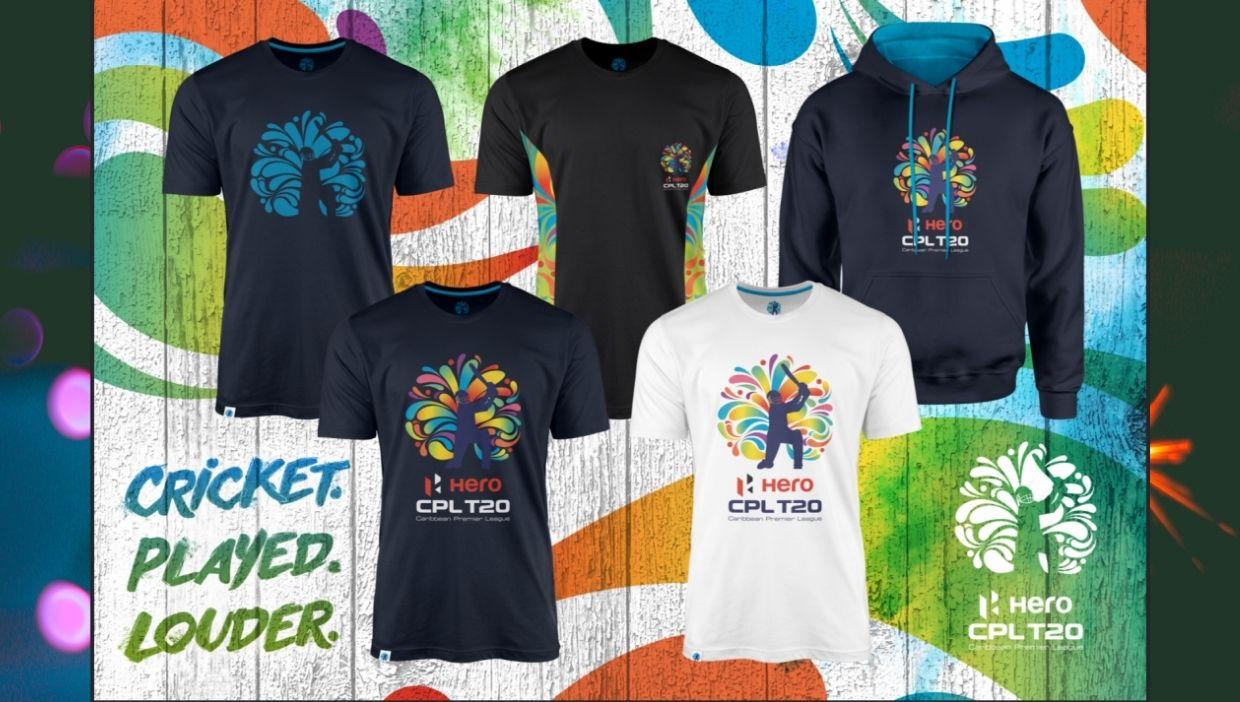
As the global sports industry continues to expand, the Caribbean region is emerging as a promising hub for sports merchandise sales. With a unique blend of rich cultural heritage and a deep passion for sports, the Caribbean offers a fertile ground for growth in this dynamic market. Recent trends indicate a burgeoning interest in not only traditional sports apparel but also a demand for merchandise that celebrates local teams and athletic achievements. This article delves into the factors driving this growth, including increasing regional investments in sports infrastructure, the impact of digital marketing, and the rising popularity of international sporting events. By examining the current landscape and future opportunities, stakeholders in the region can better position themselves to capitalize on the potential of the Caribbean sports merchandise market.
Table of Contents
- Market Analysis of the Caribbean Sports Merchandise Landscape
- Consumer Trends Shaping Retail Opportunities in Sports Merchandise
- Strategic Recommendations for Brand Expansion in the Caribbean
- Digital Transformation and E-commerce Growth in Sports Merchandise Sales
- Concluding Remarks
Market Analysis of the Caribbean Sports Merchandise Landscape
In recent years, the Caribbean sports merchandise landscape has demonstrated significant growth potential, driven primarily by a surge in regional sporting events, increased participation in professional leagues, and a growing fanbase. As local athletes gain international recognition, the demand for branded merchandise has soared. Consumers are actively seeking authentic memorabilia, jerseys, and other paraphernalia that reflect their favorite teams and players. The convergence of sport and culture in the Caribbean highlights the unique opportunity for businesses to tap into both local pride and international appeal. Key factors influencing this market include:
- Growing Local and International Events: More tournaments are being held in the Caribbean, attracting global attention.
- Emergence of E-commerce: A shift towards online shopping has made sports merchandise more accessible.
- Increased Affinity for Team Sports: The popularity of football, cricket, and basketball continues to rise.
Furthermore, market segmentation is shaping the strategies of both emerging and established brands. Young adults and children represent a substantial portion of the consumer base, necessitating innovative designs and marketing approaches. A comparative analysis of recent sales data illustrates the dynamism in consumer preferences and regional variations. The following table summarizes the estimated market share for different merchandise categories:
| Merchandise Category | Estimated Market Share (%) |
|---|---|
| Apparel | 40 |
| Footwear | 25 |
| Accessories | 20 |
| Collectibles | 15 |
Consumer Trends Shaping Retail Opportunities in Sports Merchandise
The landscape of retail in sports merchandise is evolving, spurred by shifting consumer behaviors and expectations. An increasing emphasis on sustainability and ethical sourcing is urging brands to innovate their products and processes. Consumers are now more inclined to support brands that demonstrate environmental responsibility and social consciousness. This trend opens up significant opportunities for retailers to capitalize on eco-friendly merchandise, such as recycled materials in jerseys or organic cotton in fan gear. Additionally, the rise of local artisanship highlights a consumer preference for unique, locally produced items that celebrate regional teams and athletes, further diversifying the merchandise market.
Another trend at the forefront of this evolution is the growth of personalized experiences. Fans are increasingly looking for customized products that allow them to express their individual identity alongside their team loyalty. Retailers can leverage this trend by offering options for personalized jerseys, customized memorabilia, and unique fan gear that can be tailored to individual preferences. Moreover, the integration of digital platforms is reshaping how consumers interact with sports merchandise. The surge in e-commerce and social media presence of sports brands allows for an immersive shopping experience, driving engagement and increasing sales through targeted marketing strategies. Retailers should focus on enhancing their online platforms to meet the expanding demand for convenience and accessibility.
Strategic Recommendations for Brand Expansion in the Caribbean
To effectively capitalize on the burgeoning sports merchandise market in the Caribbean, brands should consider several strategic initiatives. Tailoring product offerings to reflect local tastes and cultural nuances can significantly enhance brand resonance. This means incorporating popular local sports teams, indigenous designs, and colors related to national identities into merchandise lines. Furthermore, establishing collaborations with local athletes and influencers can elevate brand visibility and credibility within communities, fostering a sense of ownership and pride among consumers.
In addition, a robust digital marketing strategy is essential to reach a diverse audience across the region. Utilizing social media platforms, especially those popular in local markets, can drive engagement and amplify brand messaging. Brands should also focus on community engagement initiatives, such as sponsoring local sports events or youth programs. These efforts not only contribute to brand loyalty but also stimulate grassroots support. Implementing sustainable practices in production can resonate well with environmentally-conscious consumers and set brands apart in an increasingly competitive landscape.
Digital Transformation and E-commerce Growth in Sports Merchandise Sales
The digital landscape has redefined the way sports merchandise is marketed and sold, providing a plethora of opportunities for growth in the Caribbean region. As consumer preferences shift towards online shopping, sports brands are prioritizing their e-commerce platforms to engage a tech-savvy audience. The enhanced accessibility of mobile devices coupled with widespread internet connectivity has led to a surge in online transactions, breaking geographical barriers and opening doors for international brands to penetrate the Caribbean market. Popular strategies being employed include:
- Social Media Engagement: Brands leverage platforms like Instagram and Facebook to showcase merchandise.
- Personalized Shopping Experiences: Utilizing AI and analytics to tailor product recommendations.
- Influencer Collaborations: Partnering with local athletes and influencers to promote merchandise.
Moreover, the integration of technology in retail operations has streamlined processes, enabling quicker logistics and inventory management. Companies can now track consumer behavior effortlessly, leading to more refined marketing strategies. The table below illustrates the impact of digital transformation on different aspects of e-commerce growth:
| Aspect | Impact |
|---|---|
| Online Sales Volume | Increased by over 40% year-over-year. |
| Customer Engagement | Improved through targeted ads and interactive content. |
| Operational Efficiency | Reduced supply chain delays with tech integration. |
The transformation is evident, solidifying the Caribbean as an emerging market for sports merchandise within the global e-commerce ecosystem. As local enterprises adopt digital solutions, the possibilities for growth become increasingly promising, making it an exciting time for stakeholders in the region.
Concluding Remarks
the Caribbean sports merchandise market presents a unique and promising growth potential, driven by the region’s vibrant sporting culture and increasing consumer engagement. As local and international brands continue to recognize the lucrative opportunities presented by passionate fans across various sports, strategic investments, digital marketing initiatives, and partnerships with local teams will be crucial in tapping into this expanding market. By embracing innovation and understanding the diverse cultural nuances of Caribbean consumers, stakeholders can position themselves to capitalize on this burgeoning landscape. As we move forward, the integration of sustainability and community engagement will likely play a pivotal role in shaping the future of sports merchandise in the Caribbean, ensuring that it reflects not only the passion for sports but also the rich heritage of the region. The Caribbean sports merchandise market is undeniably on the brink of transformation, offering exciting possibilities for growth that should be closely monitored by industry players and investors alike.