


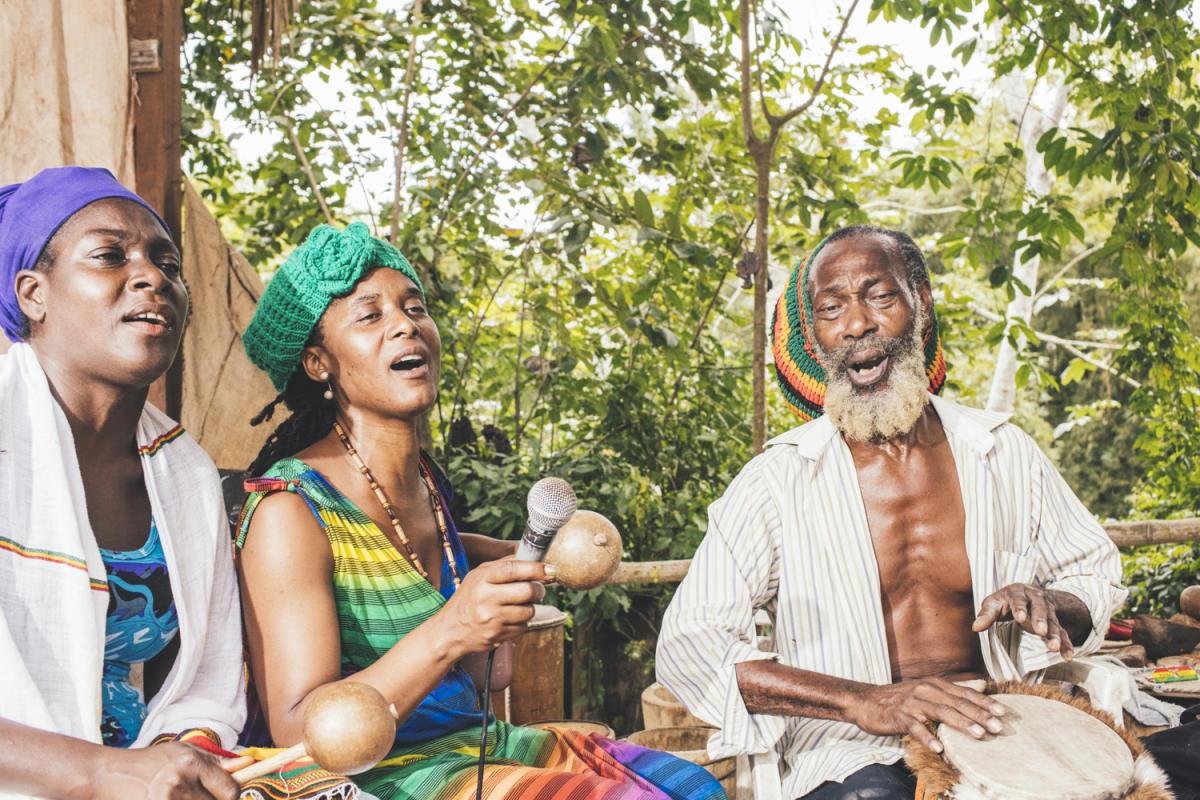
Rastafarian culture has long been a vibrant thread in the rich tapestry of Caribbean life, influencing everything from music and art to spirituality and fashion. Originating in Jamaica during the 1930s, Rastafarianism emerged as a response to social injustices faced by people of African descent, rooted in a deep sense of identity and resistance. This movement, with its distinct beliefs, practices, and symbols, has not only transcended its geographic origins but has also made a profound mark on the broader Caribbean identity. In this article, we will delve into the multifaceted impact of Rastafarian culture on the Caribbean, examining its contributions to the region’s social dynamics, artistic expressions, and collective consciousness. Join us as we uncover how this powerful cultural force continues to shape the lives of Caribbean people today.
Table of Contents
- The Roots of Rastafarian Beliefs and Their Influence on Identity
- Music and Art: Expressions of Rastafarian Culture in the Caribbean
- Social Movements and Community Engagement within Rastafarianism
- Embracing the Legacy: Recommendations for Cultural Preservation and Education
- In Conclusion
The Roots of Rastafarian Beliefs and Their Influence on Identity
The Rastafarian movement emerged in the 1930s, deeply rooted in a socio-political context that was marked by the struggles of Afro-Jamaicans against colonialism and oppression. Central to Rastafarian beliefs is the veneration of Haile Selassie I, the former Emperor of Ethiopia, who is seen as a messianic figure embodying the quest for liberation and justice. This spirituality intertwined with a focus on African heritage and the return to the motherland has profoundly shaped the collective identity of Rastafarians. It empowers individuals to embrace aspects of pan-Africanism, creating a sense of unity and a shared cultural identity that transcends geographic boundaries.
Rastafarian beliefs further emphasize a connection with nature and the importance of holistic living, which manifests in various ways throughout Caribbean life. The practice of Ital living, which promotes a natural, vegetarian diet free from artificial additives, underscores a profound respect for the earth and its resources. Additionally, Rastafari influences form a distinct cultural expression through music, art, and language, contributing to the Caribbean’s vibrant cultural mosaic. Elements such as Reggae music, embodying themes of resistance and spirituality, have gained global recognition, influencing countless artists while championing social change. The dynamics of these beliefs foster a unique sense of belonging and identity, providing a framework that resonates with many in the Caribbean and beyond.
Music and Art: Expressions of Rastafarian Culture in the Caribbean
The fusion of music and art is at the heart of Rastafarian culture, creating a vibrant tapestry that reflects the spiritual and communal values of its followers. Reggae music, epitomized by icons like Bob Marley, serves as a powerful medium for storytelling and social commentary, addressing themes such as freedom, identity, and unity. The rhythmic beats and melodic harmonies are often intertwined with messages of love and resistance, making it an essential voice for the marginalized and oppressed. Additionally, the rich visual arts scene, featuring colorful murals and intricate crafts, showcases the beliefs and experiences of the Rastafarian community, contributing to a unique artistic legacy that dazzles locals and tourists alike.
Rastafarian culture also celebrates expressions through a diverse range of art forms that extend beyond music. Dance, poetry, and fashion play significant roles in cultural expression, each layer reflecting the community’s vibrancy. Notable elements include:
- Dancehall: High-energy performances that emphasize storytelling through movement.
- Dub Poetry: A fusion of poetry and music, often recited over reggae rhythms.
- Natural Artisanship: Crafting items from natural materials that symbolize pride in heritage.
| Art Form | Description |
|---|---|
| Reggae | Music that channels themes of social justice and spirituality. |
| Mural Art | Public art that conveys Rastafarian beliefs and storytelling. |
| Poetry | Reflective verses exploring identity and community. |
Social Movements and Community Engagement within Rastafarianism
The Rastafarian movement has profoundly influenced Caribbean life through its commitment to social justice, cultural pride, and community engagement. Central to the Rastafarian ethos is the belief in unity, equality, and empowerment, often expressed through grassroots activism and community initiatives. Members actively participate in various social movements that seek to address issues such as racial discrimination, poverty, and access to education. By organizing workshops, cultural festivals, and community outreach programs, Rastafarians strive to elevate the importance of African heritage and promote self-sufficiency among marginalized populations.
Rastafarian beliefs also emphasize the role of community in fostering resilience and strength. This is reflected in the establishment of intentional communities where individuals can live out their values sustainably. Key aspects of these communities include:
- Holistic living: Emphasis on healthy lifestyles and natural healing practices.
- Collective farming: Promoting agricultural practices rooted in tradition and sustainability.
- Education and Arts: Workshops focusing on music, art, and history that celebrate African culture.
Through these initiatives, Rastafarians not only preserve their cultural identity but also cultivate a sense of responsibility among community members to advocate for change and uplift each other. This collaborative grassroots approach helps dismantle systemic barriers, reinforcing the pivotal role of Rastafarianism in shaping a vibrant, resilient Caribbean society.
Embracing the Legacy: Recommendations for Cultural Preservation and Education
To ensure that the vibrant heritage of Rastafarian culture continues to flourish within the Caribbean, several strategies can be undertaken to foster cultural preservation and education. First and foremost, community workshops and educational programs ought to be implemented in schools and local community centers. These initiatives should focus on teaching the history, values, and practices of Rastafarianism, emphasizing its contributions to Caribbean identity. By incorporating music, art, and storytelling, participants can engage with the culture in a meaningful way, promoting appreciation and respect. Additionally, documenting oral traditions through recorded interviews with elders can be a valuable resource for future generations.
Moreover, collaboration with local artists, musicians, and cultural organizations can help to promote Rastafarian culture through various forms of expression. Events such as music festivals, cultural fairs, and art exhibitions can serve as platforms to showcase Rastafarian art and music, creating opportunities for wider community engagement. Schools should consider incorporating Rastafarian literature, including poetry and prose, into their curricula to highlight the intellectual contributions of Rastafarians. Providing resources, such as literature and multimedia materials, can create an enriched educational experience that inspires curiosity and deeper understanding among youth.
In Conclusion
the exploration of Rastafarian culture reveals its profound and multifaceted impact on Caribbean life. From its rich spiritual practices to its vibrant artistic expressions, Rastafari has woven itself into the very fabric of Caribbean identity. Whether through music, social activism, or community building, the principles of Rastafarianism continue to resonate with everyday life across the region. As we reflect on the ongoing influence of this movement, it’s clear that Rastafarian culture not only enriches the Caribbean but also offers valuable insights into resilience, unity, and the quest for social justice. By understanding and appreciating these contributions, we can foster deeper connections within our diverse global community. Thank you for joining us on this journey through Rastafarian culture—may it inspire further exploration and dialog.