


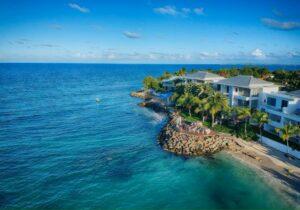
The Caribbean—a vibrant tapestry of diverse cultures, breathtaking landscapes, and secluded beaches—has long captured the imagination of travelers and investors alike. However, beneath its tropical allure lies a complex economic landscape where real estate plays a pivotal role in shaping sustainable growth. In recent years, the region has witnessed a surge in real estate development, spurred by rising tourism, foreign investments, and a growing expatriate community. But what does this burgeoning market mean for the Caribbean economies struggling to balance development with environmental conservation? In this article, we will delve into the multifaceted impact of real estate on the economic growth of the Caribbean, exploring both the opportunities it presents and the challenges that come along with rapid expansion. From infrastructure improvements to job creation, we’ll examine how the real estate sector can be a catalyst for positive change while also addressing the critical need for sustainable practices in this paradise. Join us as we navigate the lush terrain of Caribbean real estate and its profound implications on economic prosperity.
Table of Contents
- Understanding the Role of Real Estate Development in Caribbean Economic Diversification
- Evaluating the Social and Environmental Impacts of Real Estate Growth in the Caribbean
- Strategic Recommendations for Sustainable Real Estate Investment in Caribbean Economies
- Leveraging Real Estate for Job Creation and Community Development in the Caribbean
- Closing Remarks
Understanding the Role of Real Estate Development in Caribbean Economic Diversification
Real estate development serves as a pivotal element in the Caribbean’s journey toward economic diversification. By shifting focus from traditional industries such as agriculture and tourism, developers are creating dynamic urban environments that foster growth across various sectors. The construction of residential properties, commercial spaces, and recreational facilities not only attracts foreign investment but also stimulates local economies. This multifaceted approach promotes job creation, enhances infrastructure, and supports community development. As a result, the region can harness the potential of its natural beauty and cultural richness while bolstering other economic avenues.
Additionally, the influx of new real estate projects encourages other businesses to flourish, ultimately leading to a ripple effect that benefits the entire community. For instance, when new hotels and resorts are built, there’s a corresponding demand for additional services, including hospitality, transportation, and retail, which expands the economic landscape. The following table outlines key sectors influenced by real estate development in the Caribbean:
| Sector | Impact |
|---|---|
| Hospitality | Increased tourist capacity and service diversity |
| Construction | Job creation and skills development |
| Retail | Boost in local businesses and consumer choices |
| Transportation | Enhanced accessibility and mobility |
Evaluating the Social and Environmental Impacts of Real Estate Growth in the Caribbean
The rapid growth of real estate in the Caribbean region has initiated a complex interplay of social and environmental outcomes. As developers flock to picturesque locations, they often overlook the long-term consequences of expansive construction. This boom can lead to escalating property prices, marginalizing local residents and potentially displacing communities. Furthermore, the influx of tourism-driven developments may contribute to cultural dilution, where the local heritage is overshadowed by commercial interests. The increase in transient populations — tourists and foreign investors — can strain existing infrastructures, leading to overcrowding and a decline in the quality of life for residents.
On the environmental front, real estate expansion poses significant threats to the Caribbean’s fragile ecosystems. Coastal erosion, loss of biodiversity, and pollution have become pressing concerns directly linked to unchecked development practices. Communities must navigate the delicate balance between economic benefits from tourism and the need to preserve their natural surroundings. Employing sustainable practices in construction and maintaining green spaces is critical. Initiatives promoting environmental stewardship can ensure that the beauty of the Caribbean is preserved for future generations. Addressing these impacts requires collaborative efforts from governments, developers, and civil society to create a comprehensive framework that aligns growth with sustainability goals.
Strategic Recommendations for Sustainable Real Estate Investment in Caribbean Economies
To foster sustainable real estate investment in Caribbean economies, stakeholders must prioritize environmental stewardship and community engagement. Integrating sustainable practices into development projects not only benefits the environment but enhances the social fabric of local communities. Key strategies include:
- Incorporating Renewable Energy: Invest in buildings that utilize solar panels and energy-efficient systems to reduce carbon footprints.
- Promoting Eco-friendly Developments: Support the construction of green buildings that utilize sustainable materials and resources.
- Engaging Local Communities: Foster inclusive practices that involve local populations in development planning, ensuring their needs are met.
- Establishing Partnerships with Governments: Collaborate with regional governments to create favorable policies for sustainable development initiatives.
Furthermore, investors should consider diversifying portfolios to mitigate risks associated with climate change and economic fluctuations. This can include a mix of residential, commercial, and agritourism properties. A focused approach can also include:
| Investment Type | Benefits |
|---|---|
| Residential Properties | Stable rental income and increased demand for housing. |
| Commercial Real Estate | Higher ROI and long-term lease agreements. |
| Agritourism Ventures | Promotes local culture and sustainable practices. |
Leveraging Real Estate for Job Creation and Community Development in the Caribbean
Real estate in the Caribbean serves as a powerful catalyst for job creation and community development. By investing in residential, commercial, and mixed-use properties, stakeholders can significantly boost local employment opportunities across various sectors. For instance, construction projects alone necessitate a diverse workforce, from skilled laborers to architects, fostering a ripple effect in the economy. Additionally, the hospitality and tourism sectors benefit immensely from well-developed real estate, as attractive accommodations and amenities draw more visitors, further supporting local businesses. Key stakeholders, including governments and private investors, can enhance community benefits by focusing on sustainable development practices that not only uplift local populations but also preserve the region’s unique cultural heritage.
Moreover, real estate initiatives can stimulate local entrepreneurship and self-sufficiency by providing spaces for small businesses and startups. Community hubs, co-working spaces, and affordable retail locations empower local entrepreneurs, creating a vibrant economic ecosystem. Property developments that incorporate community inputs can lead to diverse and inclusive environments. By prioritizing mixed-use developments, communities can enjoy greater access to essential services, ensuring that residents’ needs are met while actively promoting economic diversification. To visualize the impact, consider the following table that highlights the potential benefits of strategic real estate investments:
| Investment Sector | Job Creation | Community Impact |
|---|---|---|
| Residential Development | Construction jobs, Property management | Affordable housing, Increased property values |
| Commercial Development | Retail jobs, Hospitality positions | Supports local businesses, Enhances shopping experience |
| Tourism Infrastructure | Seasonal employment, Service jobs | Boosts cultural exchange, Infrastructure improvements |
Closing Remarks
the interplay between real estate and economic growth in the Caribbean is a compelling narrative that highlights both challenges and opportunities. As we’ve explored, the real estate sector not only serves as a critical driver of job creation but also shapes the broader economic landscape of these vibrant islands. With strategic investments and sustainable practices, there is significant potential for real estate to foster resilience, enhance local communities, and attract both domestic and international investors.
As the Caribbean continues to navigate the complexities of economic recovery and growth, it’s essential for stakeholders—governments, developers, and local communities—to collaborate effectively. By prioritizing sustainable development and fostering innovation, we can ensure that real estate not only contributes to immediate economic benefits but also lays the groundwork for long-term prosperity.
We invite you to share your thoughts on the relationship between real estate and economic growth in the Caribbean. How do you see the future unfolding for this dynamic sector? Together, let’s continue to explore the ways we can harness the power of real estate to uplift these beautiful islands and their people. Thank you for joining us on this journey of discovery!