


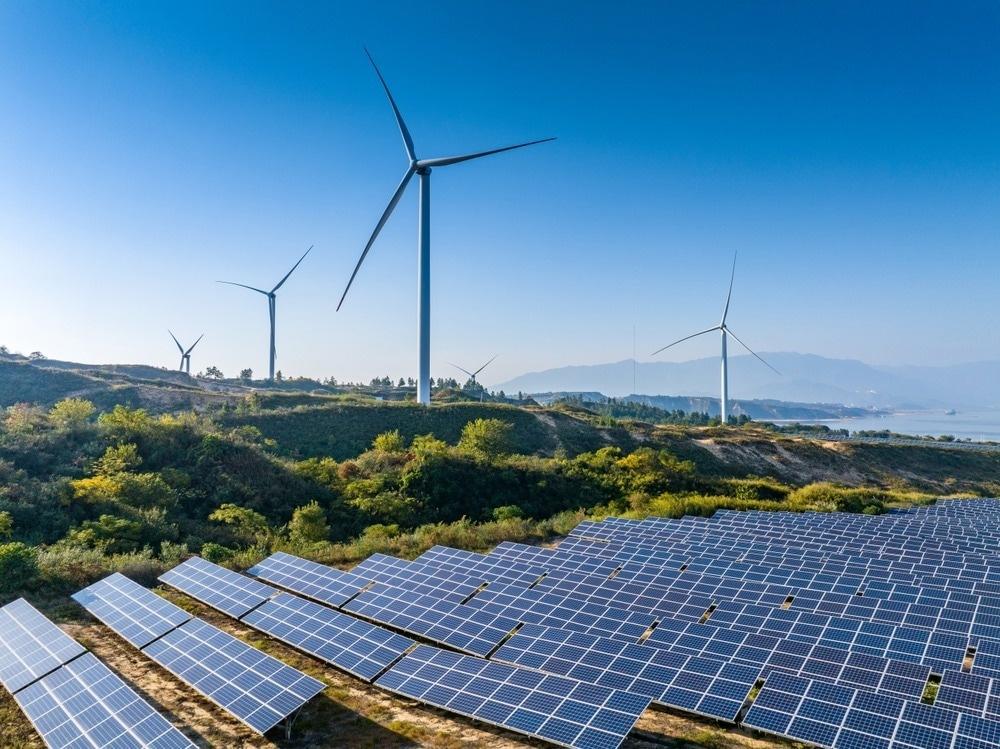
As the world shifts towards more sustainable energy solutions, the Caribbean region stands at the forefront of a transformative journey. With its abundant natural resources, from the sun-drenched shores to the invigorating winds that sweep across its islands, the Caribbean is uniquely positioned to harness renewable energy like never before. This blog post delves into the innovative ventures taking root across the Caribbean, showcasing the diverse strategies being employed to tap into solar, wind, and hydroelectric power. We will explore how these initiatives not only promise to enhance energy security and reduce dependency on imports but also contribute to economic growth and environmental sustainability. Join us as we embark on a journey through this vibrant region, highlighting the pioneering efforts that are reshaping its energy landscape and paving the way for a greener, more sustainable future.
Table of Contents
- Harnessing the Power of Solar Energy in Caribbean Islands
- Innovative Wind Energy Solutions: A Sustainable Future for Coastal Communities
- Hydropower Potential: Tapping into the Caribbeans River and Waterfall Resources
- Policy Frameworks and Investment Strategies for Renewable Energy Growth
- In Summary
Harnessing the Power of Solar Energy in Caribbean Islands
Solar energy is rapidly emerging as a pivotal solution for sustainable power generation across Caribbean islands, leveraging the region’s abundant sunlight. With a vast expanse of clear skies and nearly year-round sunshine, the Caribbean is uniquely positioned to harness solar power, reducing reliance on imported fossil fuels and enhancing energy security. Governments and local entrepreneurs are increasingly recognizing the potential of solar technology, investing in both large-scale solar farms and decentralized solar solutions for homes and businesses. This shift not only offers substantial economic benefits but also promotes environmental stewardship by significantly lowering greenhouse gas emissions.
In addition to traditional solar installations, innovative initiatives such as community solar projects, solar water heating systems, and photovoltaic (PV) systems are making strides in the region. Key factors driving this momentum include:
- Government incentives that encourage investment in renewable technologies.
- International partnerships that provide funding and technical expertise.
- Awareness campaigns that educate residents about the benefits of solar energy.
To provide a clear overview of solar energy potential, the following table highlights key achievements and ongoing projects in selected Caribbean nations:
| Country | Installed Solar Capacity (MW) | Major Solar Project |
|---|---|---|
| Jamaica | 61 | Moon Palace Solar Plant |
| Barbados | 28 | Solar Farm at Trents |
| Dominican Republic | 234 | Monte Plata Solar Park |
| Puerto Rico | 135 | El Solar Project |
Innovative Wind Energy Solutions: A Sustainable Future for Coastal Communities
Coastal communities in the Caribbean are uniquely positioned to harness the power of wind energy, transforming their landscapes into hubs of sustainable innovation. With an abundance of natural wind resources, these regions can tap into cutting-edge wind turbine technology, which promises to enhance energy production while minimizing environmental impact. The deployment of floating wind farms is becoming increasingly popular, enabling energy generation even in deeper waters where traditional turbines cannot be installed. This approach not only stimulates local economies but also contributes to a stable energy supply, reducing reliance on imported fossil fuels.
Implementing innovative wind energy solutions involves collaboration among local governments, community stakeholders, and renewable energy companies. Key benefits of these initiatives include:
- Job Creation: Development and maintenance of wind farms provide local employment opportunities.
- Energy Independence: Reducing dependence on external energy resources enhances national security.
- Lower Energy Costs: Increased competition in energy generation can lead to reduced prices for consumers.
For instance, a recent project in Barbados showcases how wind energy can be seamlessly integrated into existing energy systems. The table below outlines the potential benefits the project aims to achieve:
| Benefit | Description |
|---|---|
| Environmental Impact | Reduction in carbon emissions by 30% over 5 years |
| Community Engagement | Workshops to educate the community about renewable energy |
| Technological Advancement | Implementation of smart grid systems to optimize energy distribution |
Hydropower Potential: Tapping into the Caribbeans River and Waterfall Resources
The Caribbean region is blessed with an abundance of rivers and waterfalls, each contributing to its stunning landscapes and rich ecosystems. However, these natural resources also offer significant potential for sustainable energy generation through hydropower. By harnessing the flow of water, Caribbean nations have the opportunity to not only meet their energy needs but also to reduce reliance on imported fossil fuels. The implementation of small-scale hydropower projects can introduce a decentralized approach to energy production, allowing local communities to benefit directly from the resources in their own backyards. This not only fosters energy independence but also promotes job creation and economic development within these regions.
To effectively tap into this potential, it is crucial to identify the most viable sites for hydropower generation. Factors to consider include river flow rates, topography, and environmental impact. Below is a brief overview of some promising sites across the Caribbean that could be optimized for renewable hydropower generation:
| Location | River/Waterfall | Potential (MW) | Notes |
|---|---|---|---|
| Dominican Republic | Yaque del Norte | 500 | Established infrastructure; significant annual rainfall |
| Jamaica | Rio Minho | 75 | Steep gradients; potential for local community projects |
| St. Lucia | Diamond Falls | 25 | Tourism potential; eco-friendly initiatives |
Continued investment in research and technology will be essential for unlocking the full potential of hydropower in the Caribbean. Collaborative efforts among governments, NGOs, and private sector players can lead to innovative solutions that respect the region’s unique ecosystems while providing a reliable source of clean energy. By prioritizing sustainable hydropower initiatives, Caribbean nations can pave the way for a more resilient and environmentally friendly energy future.
Policy Frameworks and Investment Strategies for Renewable Energy Growth
When it comes to catalyzing renewable energy growth in the Caribbean, a nuanced policy framework is essential. Governments are encouraged to create a conducive environment that fosters investment through various incentives, including:
- Tax credits for renewable energy projects
- Feed-in tariffs that guarantee pricing for energy producers
- Streamlined permitting processes for renewable installations
- Financial support programs targeting local and regional developers
A comprehensive approach to energy policies can mitigate risks for investors and ensure the stability and reliability of renewable investments. Furthermore, international collaborations and partnerships can enhance technology transfer and provide additional funding avenues to stimulate local markets.
Investment strategies must be tailored to the specific needs and characteristics of each Caribbean island, recognizing that while some regions excel in solar energy, others might be better suited for wind power or ocean energy. Effective investment can leverage public-private collaborations to maximize resource utilization. To illustrate potential funding flows and energy capacities, consider the following table showcasing renewable energy capacity targets and estimated investments across selected Caribbean nations:
| Country | Renewable Capacity Target (MW) | Estimated Investment ($ Million) |
|---|---|---|
| Jamaica | 450 | 500 |
| Barbados | 300 | 350 |
| Dominican Republic | 1000 | 1200 |
| Bahamas | 200 | 250 |
In Summary
As we conclude our exploration of renewable energy ventures across the Caribbean, it’s clear that this vibrant region is not only rich in natural beauty but also in potential for a sustainable energy future. The initiatives underway—from solar farms in Jamaica to wind projects in Puerto Rico—demonstrate a collective commitment to harnessing the sun, wind, and waves for the benefit of both the environment and local economies.
As the Caribbean navigates the pressing challenges of climate change and energy dependence, the successes and lessons learned from these renewable projects serve as a beacon of hope and inspiration. Collaboration among governments, private sectors, and communities is essential for scaling these efforts and ensuring a resilient energy infrastructure for generations to come.
By continuing to prioritize clean energy initiatives, the Caribbean not only protects its stunning landscapes but also sets an example for other regions around the globe. As we look ahead, let us remain engaged and informed about these developments, supporting and celebrating the transformational journey towards sustainability in paradise. Together, we can create a greener, more prosperous Caribbean for all. Thank you for joining us on this enlightening journey!