


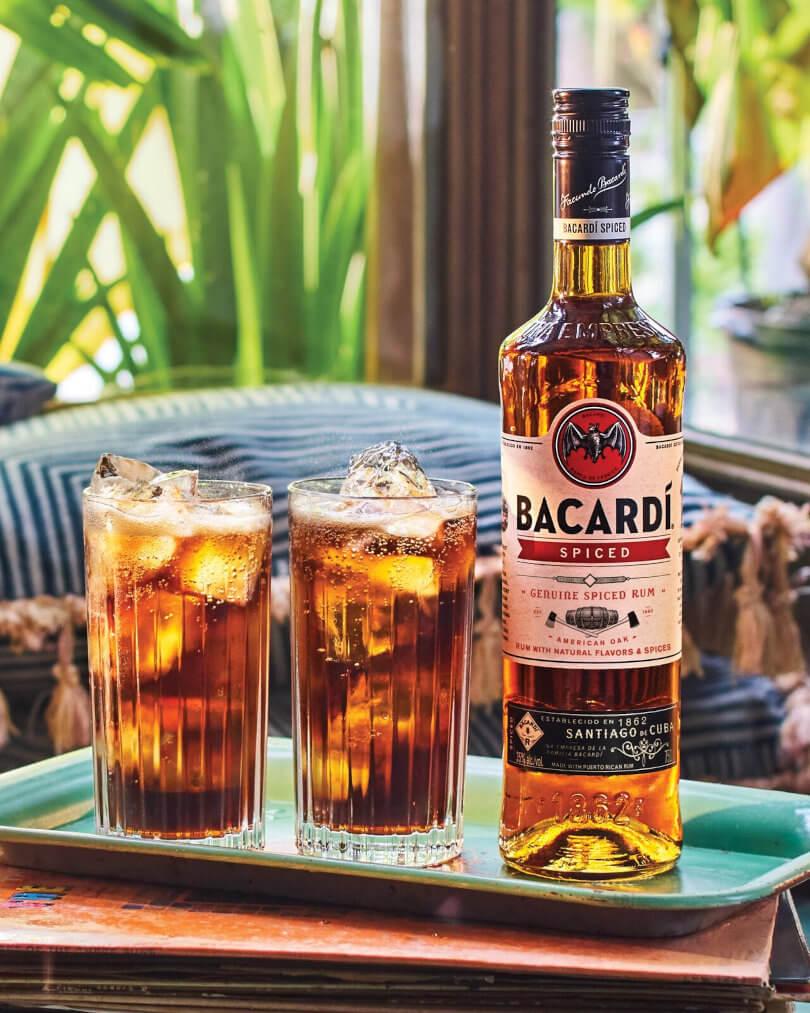
When we think of the Caribbean, visions of sun-soaked beaches, vibrant festivals, and lively music come to mind. Yet, there’s another facet of this enchanting region that often deserves the spotlight: its culinary scene. At the heart of many Caribbean dishes lies a spirit that is as rich in history as it is in flavor—rum. From its origins on the sugar plantations to its essential role in traditional recipes, rum weaves an intricate tapestry within the Caribbean’s food culture. In this article, we’ll dive deep into how this beloved spirit enhances culinary experiences, influences local traditions, and even plays a part in communal gatherings. Join us as we explore the legacy of rum and its undeniable connection to the vibrant food culture of the Caribbean, revealing the stories and flavors that define this enticing region.
Table of Contents
- Understanding the Historical Significance of Rum in Caribbean Cuisine
- Pairing Rum with Traditional Dishes for a Flavorful Experience
- Exploring Rum-Based Cocktails That Celebrate Caribbean Heritage
- Sustainable Rum Production and Its Impact on Local Food Practices
- Closing Remarks
Understanding the Historical Significance of Rum in Caribbean Cuisine
Rum is more than just a spirited beverage; it is woven into the very fabric of Caribbean heritage and culinary artistry. From its origins as a byproduct of sugar production during the colonial era, rum has evolved into a potent symbol of resilience and creativity in the region. Its role extends beyond mere consumption, becoming a vital ingredient in a myriad of traditional dishes and cocktails. Celebrated for its versatility, this beloved liquor infuses flavors that resonate with the essence of Caribbean culture.
In the culinary landscape, rum contributes to a diverse array of dishes, ranging from savory marinades to sweet desserts. Key uses include:
- Glazing: Rum is frequently used in glazes that enhance meats, delivering smoky, sweet undertones.
- Marinades: Many Caribbean chefs incorporate rum into marinades, infusing seafood and poultry with rich flavor profiles.
- Desserts: Rum cakes and flans reflect the sweet side of this spirit, combining local ingredients with regional flair.
This incorporation of rum into everyday meals not only highlights the spirit’s essential role but also signifies a deep-rooted communal bond. Various Caribbean islands celebrate their unique rum distillation methods, leading to the emergence of distinctive rums that further enrich the culinary experience. Below is a simple table showcasing some popular rums from different islands and their unique characteristics:
| Island | Rum Brand | Tasting Notes |
|---|---|---|
| Jamaica | Appleton Estate | Bold, fruity, with a hint of spice |
| Barbados | Mount Gay | Caramel, vanilla, light oak |
| Puerto Rico | Bacardi | Crisp, citrus notes, light and smooth |
Pairing Rum with Traditional Dishes for a Flavorful Experience
When considering how to enhance traditional Caribbean dishes, the addition of rum creates a unique and inviting flavor profile that reflects the region’s vibrant culture. Pairing rum with food not only accentuates the natural ingredients but also introduces an element of warmth and richness. For instance, glazed jerk chicken benefits from a splash of dark rum that deepens the spices, while coconut shrimp is perfectly complemented by a rum-infused dipping sauce highlighting the sweetness of the coconut and the freshness of lime. Here are some exceptional pairings to explore:
- Grilled Fish: A light white rum pairs beautifully with grilled snapper, providing a gentle counterbalance to the fish’s natural flavors.
- Beef Patties: Adding a touch of spiced rum to the beef mixture brings an exciting depth to each bite.
- Pineapple Upside Down Cake: Serve with a rum caramel drizzle that enhances the sweetness of the pineapple.
Integrating rum into traditional recipes can transform ordinary meals into extraordinary feasts. The versatility of rum allows it to be utilized in marinades, sauces, as well as a finishing touch for various dishes. For example, a delectable rum sauce served alongside rice and peas infuses the dish with additional layers of complexity, while tropical barbecue ribs gain a smoky sweetness that tantalizes the taste buds. Here’s a quick look at some classic rum-infused dishes:
| Dish | Rum Type | Flavor Profile |
|---|---|---|
| Caribbean Curried Goat | Golden Rum | Spicy and Aromatic |
| Tostones with Garlic Aioli | Light Rum | Crispy and Zesty |
| Coconut Rice Pudding | Spiced Rum | Creamy and Sweet |
Exploring Rum-Based Cocktails That Celebrate Caribbean Heritage
The vibrant and diverse culture of the Caribbean is brilliantly expressed through its unique rum-based cocktails. These drinks are not merely beverages; they are a celebration of history, tradition, and the essence of island life. Some popular cocktails that exemplify Caribbean heritage include:
- Mojito: Refreshing with mint and lime, this cocktail hails from Cuba and is loved across the Caribbean.
- Pina Colada: Originating from Puerto Rico, this blend of rum, coconut cream, and pineapple juice transports you to sandy beaches.
- Dark ‘n’ Stormy: A classic from Bermuda, this spicy drink combines dark rum with ginger beer and a lime wedge.
- Rum Punch: A party favourite, with countless variations featuring local fruits and spices, showcasing the island’s richness.
These cocktails not only tantalize the taste buds but also tell stories of the Caribbean’s rich agricultural history, particularly the sugarcane that forms the backbone of rum production. Alongside each sip, we can connect with the land and people who have cultivated these flavors. Below is a simple table showcasing the key ingredients of each cocktail:
| Cocktail | Key Ingredients |
|---|---|
| Mojito | Rum, Mint, Lime, Sugar, Soda Water |
| Pina Colada | Rum, Coconut Cream, Pineapple Juice |
| Dark ‘n’ Stormy | Dark Rum, Ginger Beer, Lime Juice |
| Rum Punch | Rum, Fruit Juices, Nutmeg, Citrus Fruits |
Sustainable Rum Production and Its Impact on Local Food Practices
Sustainable rum production is not just about distilling spirits; it encompasses a holistic approach to agriculture and local ecosystems. Distilleries that prioritize sustainability invest in practices that reduce environmental impact while enhancing the quality and flavor profiles of their rums. Techniques such as organic farming, soil preservation, and water management have become essential. This not only supports biodiversity but also ensures that the raw materials, like sugarcane, are grown in a way that respects the land. Additionally, these sustainable practices empower local farmers, creating an integrated system that connections the rum industry with traditional agricultural methods.
This conscientious approach to rum production also has profound implications for local food culture. By sourcing ingredients sustainably, distilleries forge stronger ties to the community, fostering a sense of pride and ownership among local stakeholders. This reliance on native crops encourages the utilization of indigenous recipes and culinary techniques, enriching the overall food landscape. Furthermore, sustainable rum production promotes culinary innovation, where chefs and mixologists collaborate to create dishes and cocktails that highlight local produce alongside the bottle of rum, fortifying the synergy between rum and Caribbean food practices.
Closing Remarks
As we conclude our exploration of rum’s integral role in Caribbean food culture, it’s clear that this beloved spirit is much more than a mere beverage; it is a vibrant thread woven into the very fabric of Caribbean identity. From its historical roots intertwined with the region’s colonial past to its presence in modern culinary creations, rum embodies the rich tapestry of flavors, traditions, and stories that define Caribbean cuisine.
As you embark on your own culinary adventures, consider the ways in which rum can elevate your dishes, whether you’re crafting a classic rum cocktail or incorporating it into savory recipes and desserts. Let the spirit inspire you to explore the diverse influences of Caribbean cooking, and perhaps even bring a bit of island life to your own kitchen.
Join us in celebrating this extraordinary spirit and the vibrant food culture it helps to shape. We encourage you to share your own experiences with rum in your culinary endeavors, and stay tuned for our next blog post, where we continue to delve into the flavors and traditions that make Caribbean cuisine so uniquely captivating. Cheers to the adventures that await!