


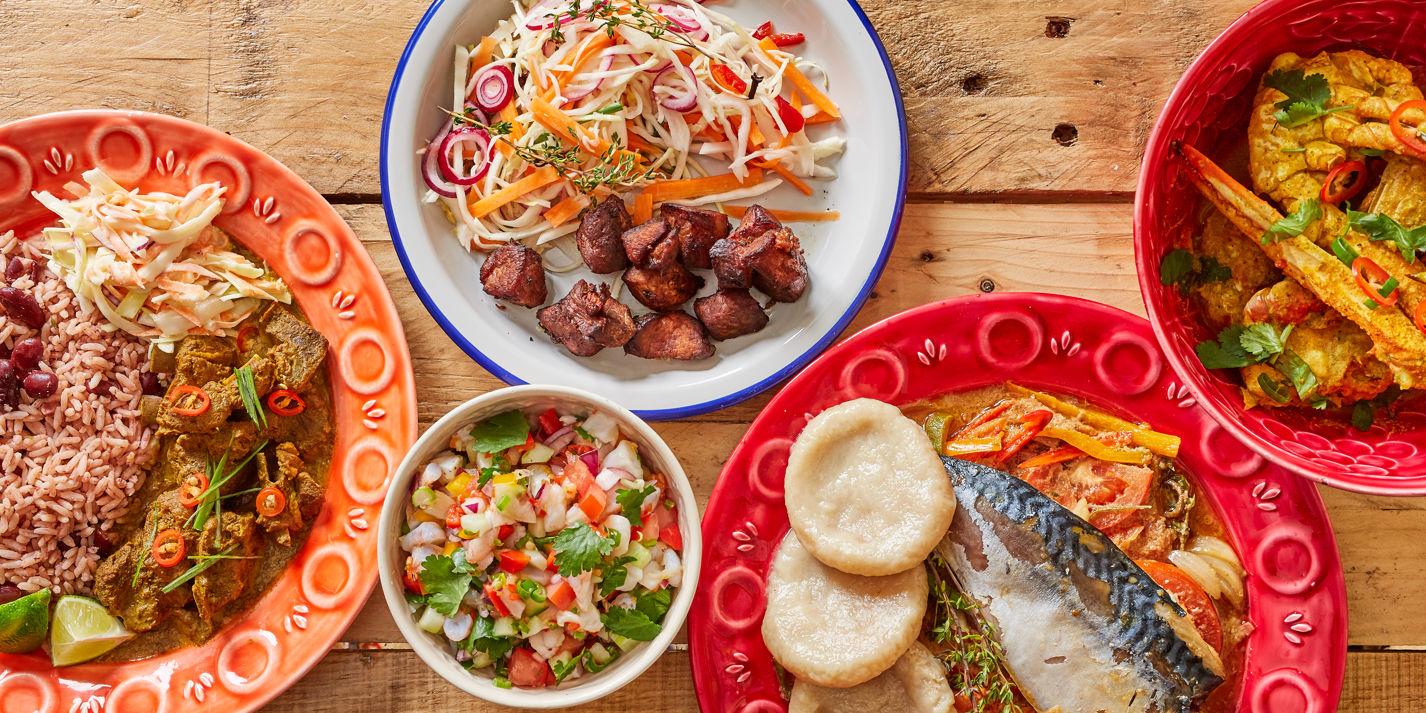
Welcome to the vibrant world of Caribbean cooking—where every dish tells a story, and each spice adds depth to the culinary tapestry. The Caribbean is not just a feast for the eyes with its stunning landscapes and colorful cultures; it is also a paradise for the palate. From the fiery heat of Scotch bonnet peppers to the aromatic warmth of allspice, the region’s unique blend of spices reflects its diverse history and influences, ranging from African and Indigenous to European and Asian. In this article, we will embark on a flavorful journey, uncovering the essential spices that define Caribbean cuisine. Join us as we explore their origins, culinary applications, and the remarkable way they transform simple ingredients into extraordinary dishes that celebrate the rich heritage of the islands. Get ready to awaken your senses and ignite your culinary creativity with the bold tastes and fragrant aromas that make Caribbean cooking truly unforgettable.
Table of Contents
- The Foundation of Caribbean Cuisine: Key Spices and Their Origins
- Unlocking the Flavor Profile: Understanding Spice Combinations in Caribbean Dishes
- Culinary Techniques: How to Use Caribbean Spices to Elevate Your Cooking
- Sourcing Authenticity: Best Places to Find Caribbean Spices and Seasonings
- In Summary
The Foundation of Caribbean Cuisine: Key Spices and Their Origins
The vibrant tapestry of Caribbean cuisine is intricately woven with a diverse array of spices that reflect the region’s rich history and cultural interactions. Allspice, sometimes referred to as “Jamaica pepper,” is a quintessential ingredient native to the Caribbean, offering a unique flavor profile that combines hints of cinnamon, nutmeg, and cloves. Another essential spice, thyme, has its roots in European culinary traditions but has been embraced wholeheartedly in Caribbean kitchens, enhancing dishes with its aromatic warmth. Similarly, scotch bonnet peppers lend an unforgettable heat and fruity complexity, transforming a simple meal into a fiery feast. These spices not only add flavor but also reveal the melting pot of influences that characterize the Caribbean, resulting from indigenous, African, European, and Asian culinary traditions converging over centuries.
A deep dive into Caribbean spice origins showcases the cross-cultural exchanges that have shaped this vibrant cuisine. For instance, the cumin, originally from the Mediterranean, found its way to the Caribbean, where it pairs beautifully with lentils and meat dishes. Meanwhile, garlic, widely used across the globe, has become a staple in local recipes, imparting its pungent flavor to everything from marinades to sauces. To illustrate the diversity of these spices and their origins, the following table summarizes some key spices, their flavors, and their regions of origin:
| Spice | Flavor Profile | Region of Origin |
|---|---|---|
| Allspice | Cinnamon, nutmeg, cloves | Jamaica |
| Thyme | Aromatic, earthy | Europe |
| Scotch Bonnet | Spicy, fruity | Caribbean |
| Cumin | Warm, nutty | Mediterranean |
| Garlic | Pungent, savory | Global |
Unlocking the Flavor Profile: Understanding Spice Combinations in Caribbean Dishes
The Caribbean is a melting pot of cultures, and this diversity is vibrantly reflected in its cuisine. Understanding the complex combinations of spices used in these dishes is essential for unlocking their unique flavors. For instance, the combination of allspice, thyme, and garlic creates a foundation that is central to many Caribbean recipes. These spices can be paired with ingredients like coconut milk or lime juice, which not only enhance the dish but also balance the heat from spices like scotch bonnet pepper. The interplay of sweet, savory, and spicy elements results in a culinary experience that is both rich and inviting.
Moreover, the use of fresh herbs and spices such as cilantro, parsley, and ginger allows cooks to play with flavor profiles, ensuring each dish tells its own story. Consider the traditional jerk seasoning, which melds nutmeg, cinnamon, and scotch bonnet for a symphony of taste that is smoky, spicy, and aromatic. This spice blend can be used not only for meats but also for vegetables, showcasing its versatility. Here’s a quick overview of some popular spice combinations in Caribbean cooking:
| Spice Combination | Main Ingredients | Common Uses |
|---|---|---|
| Jerk Seasoning | Allspice, Scotch Bonnet, Thyme | Meats, Marinades |
| Curry Powder | Turmeric, Coriander, Cumin | Curry Dishes, Sauces |
| Creole Spice | Paprika, Garlic, Thyme | Stews, Soups |
| Mojo | Cilantro, Garlic, Lime | Dips, Marinades |
Culinary Techniques: How to Use Caribbean Spices to Elevate Your Cooking
Embracing the vibrant essence of Caribbean spices can transform your culinary creations into an unforgettable experience. Start by experimenting with allspice, known locally as pimento, which provides a sweet, aromatic flavor reminiscent of cinnamon and nutmeg. It works beautifully in marinades for meats, as well as in stews and sauces. Another essential spice is thyme, a staple in Caribbean cooking that enhances the freshness of dishes, especially when used in jerk seasoning. Don’t forget the kick from Scotch bonnet peppers, which add a unique heat that can elevate everything from soups to grilled vegetables. Use these spices individually or in combination to create layers of flavor that reflect the true spirit of the Caribbean.
To make the most of these spices, consider incorporating them into various cooking techniques. For instance, when making a rub for meats, blend allspice, thyme, and crushed Scotch bonnet peppers with some olive oil and citrus juice for a tantalizing marinade. In baking, a sprinkle of ground nutmeg or cinnamon can elevate your desserts, adding a warm touch of island flavor. Here’s a quick table summarizing a few key Caribbean spices and their uses:
| Spice | Flavor Profile | Common Uses |
|---|---|---|
| Allspice | Sweet, aromatic | Marinades, stews, baking |
| Thyme | Earthy, herbal | Soups, jerk seasoning, roast dishes |
| Scotch Bonnet | Fruity heat | Salsas, soups, grilled dishes |
| Cumin | Warm, earthy | Curry dishes, rice blends |
By integrating these techniques into your cooking routine, you not only honor the rich traditions of Caribbean cuisine but also allow your palate to explore new territories. Whether you’re crafting a vibrant curry, preparing a zesty marinade, or whipping up an exotic dessert, these spices will undoubtedly take your dishes to flavorful heights.
Sourcing Authenticity: Best Places to Find Caribbean Spices and Seasonings
To truly embrace the vibrant essence of Caribbean cuisine, sourcing authentic spices and seasonings is a must. Many people overlook the rich local markets and specialty stores that offer genuine ingredients oftentimes imported directly from the Caribbean islands. Look for these key locations to find the most flavorful options:
- Local Caribbean Markets: These are treasure troves filled with fresh spices like allspice, Scotch bonnet peppers, and curry powder.
- Farmers’ Markets: Seasonal produce alongside homemade spice blends reflecting local flavors.
- Online Retailers: Websites specializing in Caribbean goods often provide unique spice blends that are hard to find elsewhere.
- Specialty Grocery Stores: Stores with international sections commonly stock Caribbean spices, bringing island flavor to your kitchen.
Additionally, when sourcing spices, understanding their origin can greatly enhance your culinary experience. Consider creating a table to track your favorite spices along with their unique flavor profiles and ideal dishes:
| Spice/Seasoning | Flavor Profile | Best for |
|---|---|---|
| Allspice | Warm, sweet, and aromatic | Jerk chicken, marinades |
| Scotch Bonnet | Fruity heat | Hot sauces, salsas |
| Pimento (Jamaican Pepper) | Clove-like warmth | Stews, curries |
| Curry Powder | Earthy and complex | Curries, rice dishes |
In Summary
As we wrap up our flavorful journey through the vibrant world of Caribbean cooking spices, it becomes clear that these ingredients are much more than just seasonings; they embody the spirit and heritage of the islands. Whether you’re adding a sprinkle of allspice to your stew or experimenting with the bold kick of Scotch bonnet peppers, each spice invites you to explore its unique story and cultural significance.
We hope this exploration has inspired you to dive deeper into the art of Caribbean cuisine, encouraging you to infuse your dishes with the rich and diverse flavors that characterize this culinary tradition. Remember, the true essence of Caribbean cooking lies not just in the recipes, but in the celebration of life, family, and community that comes with every meal shared.
So, roll up your sleeves, gather your spices, and let the magic of Caribbean cooking transform your kitchen into a flavorful haven. Happy cooking, and may your culinary adventures be as vibrant and diverse as the spices themselves!