


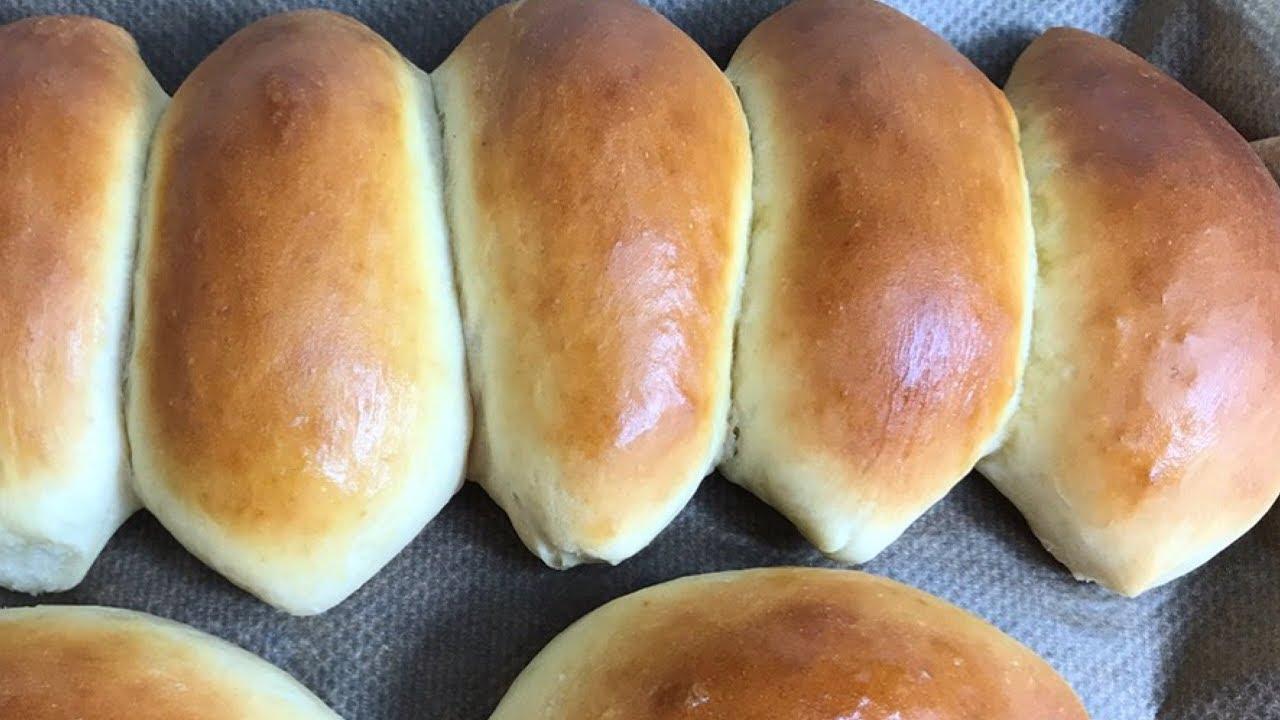
The Caribbean is a vibrant tapestry of cultures, traditions, and flavors, each contributing to an intricate culinary landscape that captivates food lovers around the globe. Among its most enticing offerings are the region’s breads and pastries, which serve as delicious testaments to the diverse heritage that shapes every island and community. From the flaky, buttery goodness of Jamaican festival to the sweet, spiced delights of Puerto Rican pan dulce, each bite tells a story of history, resilience, and innovation. In this article, we will embark on a flavorful journey to explore the rich heritage of Caribbean breads and pastries, delving into their origins, regional variations, and the cultural significance that makes them an integral part of island life. Whether you’re a curious foodie or a seasoned baker looking to expand your repertoire, the secrets of these beloved Caribbean treats await you. Join us as we uncover the mouthwatering traditions that continue to inspire generations and celebrate the unyielding spirit of the Caribbean through its baked delights.
Table of Contents
- The Cultural Significance of Caribbean Breads and Pastries
- Traditional Ingredients That Define Caribbean Baking
- Iconic Caribbean Bread Varieties You Must Try
- Modern Twists on Classic Caribbean Pastries
- Key Takeaways
The Cultural Significance of Caribbean Breads and Pastries
The Caribbean’s diverse cultures have given rise to a vibrant array of breads and pastries, each telling a story of history and tradition. From the flaky layers of a Jamaican patty to the sweet embrace of a Puerto Rican mallorca, these culinary delights are not merely food but symbols of identity and pride. Breads and pastries in the Caribbean serve as markers of celebration, often featuring prominently at festivals, family gatherings, and religious observances. The unique techniques and recipes passed down through generations reflect the blending of African, Spanish, French, and Indigenous influences, creating an intricate tapestry that is as rich as the flavors themselves.
Furthermore, the communal aspect of baking and sharing these delicacies strengthens social bonds within communities. Many Caribbean households harbor cherished recipes that connect families to their ancestry, fostering a sense of belonging. In this context, breads like coconut bread, cassava bread, and spicy roti transcend mere sustenance; they cultivate tradition and unity. The cultural significance is further emphasized through the incorporation of local ingredients, which not only sustain but also promote economic resilience within these island nations. As you explore the Caribbean’s culinary landscape, you’ll discover that each bite of bread or pastry is a flavorful glimpse into the region’s rich heritage.
Traditional Ingredients That Define Caribbean Baking
The heart of Caribbean baking lies in its traditional ingredients, which impart not only flavor but also cultural significance to each creation. At the core, you will find tropical fruits like bananas, pineapples, and coconuts that are often integrated into pastries and breads. These ingredients provide moisture and sweetness, creating a delightful contrast to the rich and spicy elements typical of Caribbean cuisine. Here are some key ingredients that represent the vibrant flavors of the islands:
- Plantains: Versatile and starchy, used in both savory and sweet dishes.
- Guava: Often used in jams and pastries for its unique, sweet-tart flavor.
- Allspice: Adds warmth and depth to baked goods, a quintessential Caribbean spice.
- Coconut Milk: Creamy and rich, it enhances the texture and flavor of many breads.
In addition to these ingredients, traditional Caribbean baking often embraces techniques that highlight its rich heritage. For instance, many recipes call for yeast, which is essential in creating fluffy, airy bread, often served during festive gatherings. The influence of African, European, and indigenous cultures underscores the use of sugar, particularly in the form of molasses in recipes like rum cake, giving it a distinctly rich and robust flavor profile. The following table outlines a few traditional bakes and their primary ingredients:
| Baked Good | Main Ingredient | Cultural Significance |
|---|---|---|
| Johnny Cakes | Cornmeal | Symbol of Jamaican heritage and tradition. |
| Pate | Flour and Meat | A popular street food, reflective of French culinary influence. |
| Rum Cake | Molasses | Often served during celebrations, honoring the islands’ rum distillation legacy. |
Iconic Caribbean Bread Varieties You Must Try
The Caribbean is a treasure trove of unique and flavorful breads that reflect the region’s diverse culture and culinary traditions. Each island has its own specialties that showcase the blend of Indigenous, African, European, and Asian influences. Here are some must-try varieties:
- Roti: A flatbread commonly found in Trinidad and Tobago, often served with various fillings like curried vegetables or meats.
- Coconut Bread: A sweet and moist bread made with grated coconut, perfect for breakfast or as a snack.
- Johnny Cakes: These fried or baked bread rounds are a staple in many Caribbean islands, known for their simplicity and deliciousness.
- Bannock: This traditional Indigenous bread is versatile and can be baked or fried, often enjoyed with sweet toppings.
In addition to these, some islands boast unique pastry varieties that offer a delightful experience. For example, the Guava Duff from the Bahamas is a steamed pastry filled with sweet guava and often served with a rum sauce. Another noteworthy mention is the Pineapple Tart, a popular treat in Barbados, where the buttery crust envelops a tangy pineapple filling. If you’re ever in the region, make sure to indulge in these delightful breads and pastries for an authentic taste of Caribbean heritage.
| Bread/Pastry | Key Ingredient | Common Islands |
|---|---|---|
| Roti | Flour | Trinidad & Tobago |
| Coconut Bread | Grated Coconut | Jamaica, Bahamas |
| Johnny Cakes | Cornmeal | U.S. Virgin Islands, Puerto Rico |
| Guava Duff | Guava | The Bahamas |
Modern Twists on Classic Caribbean Pastries
The vibrant landscape of Caribbean pastries has always been a celebration of flavors, textures, and memories. Today’s bakers are embracing this heritage by infusing modern elements to create innovative twists on classic favorites. Imagine a traditional patties filled not only with the classic beef or chicken but also incorporating contemporary ingredients like quinoa or spiced lentils. This approach not only honors the traditional recipes but also caters to health-conscious eaters, making these beloved snacks both familiar and exciting.
Another fantastic rendition is the reinvention of the classic coco bread, which is now often fashioned into a vegan coconut curry sandwich. By swapping out the traditional fillings and introducing an array of vegetables and spices, bakers are making these pastries appealing to a modern audience. Additionally, the use of pressed flowers or edible glitter to enhance the aesthetic of pastries like guava duff or cassava pone indulges the visual experience, allowing these treats to compete with contemporary dessert trends. Here’s a glimpse of some popular modern variations:
| Traditional Pastry | Modern Twist |
|---|---|
| Beef Patties | Quinoa & Lentil Patties |
| Coco Bread | Vegan Coconut Curry Sandwich |
| Guava Duff | Guava Duff with Edible Glitter |
| Cassava Pone | Cassava Pone with Floral Design |
Key Takeaways
As we wrap up our exploration of the rich heritage of Caribbean breads and pastries, it’s clear that these delightful treats are more than just food; they are a celebration of culture, history, and community. From the intricate layers of a flaky empanada to the sweet aroma of freshly baked coconut bread, each bite tells a story steeped in tradition and innovation.
The Caribbean’s culinary landscape is as diverse as its people, with influences from indigenous tribes, African traditions, European colonizers, and East Indian culinary practices. This fusion not only enriches the flavors we enjoy today but also serves as a testament to the resilience and creativity of the region’s inhabitants.
We hope this journey through the islands and their mouthwatering offerings inspires you to embrace the art of Caribbean baking in your own kitchen. Whether you’re trying your hand at a traditional recipe or experimenting with modern twists, remember that the joy of baking lies in sharing these delicious creations with loved ones.
So, next time you take a bite of that golden-brown callaloo bread or savor a slice of rum cake, take a moment to appreciate the cultural significance behind it. Join us in celebrating the vibrant heritage and enduring legacy of Caribbean breads and pastries, and let the warmth of this culinary art fill your home with love and flavor. Happy baking!