


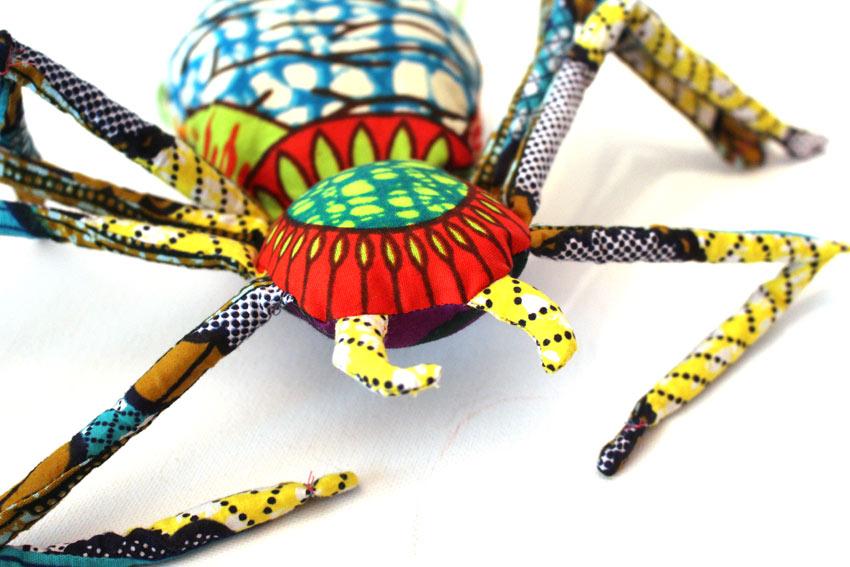
Welcome to our journey through the vibrant and captivating world of Caribbean crafts and artisanship! The Caribbean is a region rich not only in natural beauty but also in cultural diversity and creativity. From the colorful textiles of the islands to intricate wood carvings, the craftsmanship of Caribbean artisans tells stories that reflect the unique heritage and traditions of their communities. In this article, we will explore the techniques, materials, and stories behind these remarkable crafts, shining a light on the artisans dedicated to preserving their heritage while adapting to contemporary influences. Join us as we delve into the artistic expressions that make the Caribbean a treasure trove of creativity and craftsmanship.
Table of Contents
- Unveiling Traditional Techniques of Caribbean Craftsmanship
- Showcasing Unique Materials and Natural Resources
- Celebrating the Stories Behind Caribbean Artisans
- Supporting Local Economies Through Craft and Art Initiatives
- Wrapping Up
Unveiling Traditional Techniques of Caribbean Craftsmanship
Caribbean craftsmanship is deeply intertwined with the region’s rich cultural heritage, reflecting a blend of indigenous, African, and European influences. Artisans take pride in utilizing traditional techniques handed down through generations, resulting in a creative output that embodies the spirit and history of the islands. From the vibrant hues of batik fabrics in Jamaica to the intricate wood carvings of Dominica, these crafts showcase the unique identities of each island.
The artisans employ a variety of materials, such as natural fibers, wood, and clay, in their creations. They often focus on sustainable practices, ensuring the preservation of local resources while promoting their craft. Here are some traditional techniques widely used in Caribbean crafts:
- Weaving: Creating beautiful textiles from local plants and fibers.
- Pottery: Shaping clay into functional and decorative pieces.
- Carving: Transforming wood into artful sculptures and household items.
- Painting: Using traditional methods to depict local landscapes and culture.
| Craft Type | Common Materials | Notable Regions |
|---|---|---|
| Basket Weaving | Palm fronds, reeds | Bahamas, Trinidad |
| Wood Carving | Mahogany, cedar | Dominica, Cuba |
| Textile Making | Cotton, hemp | Jamaica, Haiti |
Showcasing Unique Materials and Natural Resources
From the lush rainforests to the vibrant coastal waters, the Caribbean is a treasure trove of unique materials and natural resources that play a crucial role in the region’s artisanal crafts. Artisans have long turned to indigenous materials such as wood, shells, and clay, transforming these elements into striking pieces that reflect both the cultural heritage and natural beauty of the islands. The use of resources like coconut husks and seagrass in crafting intricate baskets and mats not only showcases traditional techniques but also promotes sustainability, making use of what nature generously provides without depleting it.
In addition to native materials, the Caribbean is also rich in mineral resources, which enhance its craftwork, notably in pottery and jewelry. The use of local stones and minerals enables artisans to create beautiful, one-of-a-kind adornments that tell stories of their origins. An amazing variety of artistic expressions emerge from this synergy between creativity and resourcefulness, illustrated in the following table that highlights some of the key materials and their uses:
| Material | Common Uses | Cultural Significance |
|---|---|---|
| Coconut Shell | Bowls, jewelry, and art pieces | Symbol of resilience and ingenuity |
| Coral | Jewelry and decorative items | Represents marine life and heritage |
| Clay | Pottery, sculptures, and figurines | Tradition of storytelling and cultural representation |
Celebrating the Stories Behind Caribbean Artisans
The Caribbean is a tapestry of vibrant cultures, where each artisan weaves their unique narrative into the fabric of their craft. From the island rhythms of Jamaica to the breathtaking landscapes of Grenada, every handcrafted piece tells a story of tradition, creativity, and resilience. The artisans often draw inspiration from their surroundings, incorporating local materials and techniques passed down through generations. By investing time and passion into their work, they not only preserve their heritage but also create a dialogue between the past and present that resonates with collectors and enthusiasts alike.
These talented creators excel in a range of disciplines, each bringing their own flair and innovation to traditional practices. Consider the following forms of artistry that flourish in the Caribbean:
- Textiles: Handwoven pieces that reflect cultural symbols.
- Jewelry: Unique designs using shells, stones, and other local materials.
- Woodcraft: Intricately carved items that showcase natural beauty.
- Pottery: Functional and artistic pottery that often features colorful glazes.
To further appreciate this rich artistry, let’s explore a few notable artisans and their contributions:
| Name | Craft | Location |
|---|---|---|
| Maria O’Brien | Ceramics | Barbados |
| David Smith | Wood Sculpture | St. Lucia |
| Isabella Torres | Embroidery | Puerto Rico |
Through every brushstroke, stitch, and carving, these artisans not only create beautiful pieces but also contribute to a larger narrative that encapsulates the spirit of the Caribbean. Each story behind their work adds depth and meaning, inviting us to engage with the culture and histories that shape their craft.
Supporting Local Economies Through Craft and Art Initiatives
Engaging with local artisans not only nurtures individual creativity but also strengthens community bonds. By fostering craft and art initiatives, we contribute to a sustainable ecosystem that encourages innovation and cultural expression. When artists create unique products that reflect their heritage, they attract both local and tourist markets, boosting the economy. Here are some key ways to support these local initiatives:
- Promote Local Craft Fairs: These events not only provide a platform for artisans to showcase their work but also encourage community engagement.
- Define Programs for Skill Development: Workshops can help cultivate local talent and teach traditional techniques to younger generations.
- Encourage Online Presence: Assisting artisans in establishing their online stores can expand their reach beyond local markets.
Investing in artistic communities has dire implications for both cultural preservation and economic development. When regional crafts are prioritized, they cultivate a sense of identity and community pride, leading to increased tourism and consumer interest. Additionally, collaborative art projects can bring neighborhoods together, creating shared experiences that strengthen local ties. The table below highlights some thriving Caribbean craft initiatives that encapsulate these principles:
| Initiative | Location | Focus |
|---|---|---|
| Bahama’s Junkanoo Festival | The Bahamas | Traditional costumes & music |
| Puerto Rican Ceramics Workshops | Puerto Rico | Ceramic artistry & techniques |
| Cuban Artisans’ Collective | Cuba | Visual arts & crafts |
Wrapping Up
As we conclude our journey through the vibrant world of Caribbean crafts and artisanship, it’s clear that these traditions are not just about creating beautiful objects; they embody the spirit, history, and resilience of the Caribbean people. Each handcrafted piece tells a story, reflecting the rich cultural tapestry woven from diverse influences, histories, and local resources.
Whether it’s the intricate detail of a hand-carved wooden figurine or the vibrant colors of woven textiles, Caribbean crafts offer us more than just aesthetic appeal—they invite us to connect with the heart and soul of the islands. Supporting local artisans not only helps preserve these cherished traditions but also fosters sustainable livelihoods and community growth.
As we appreciate the artistry and craftsmanship that thrive throughout the Caribbean, let’s continue to celebrate and promote these incredible talents, ensuring that future generations can also experience and cherish the rich heritage of Caribbean culture. Thank you for joining us on this exploration. We hope you feel inspired to learn more about the artisans in your community and perhaps even add a piece of Caribbean craftsmanship to your own collection.