


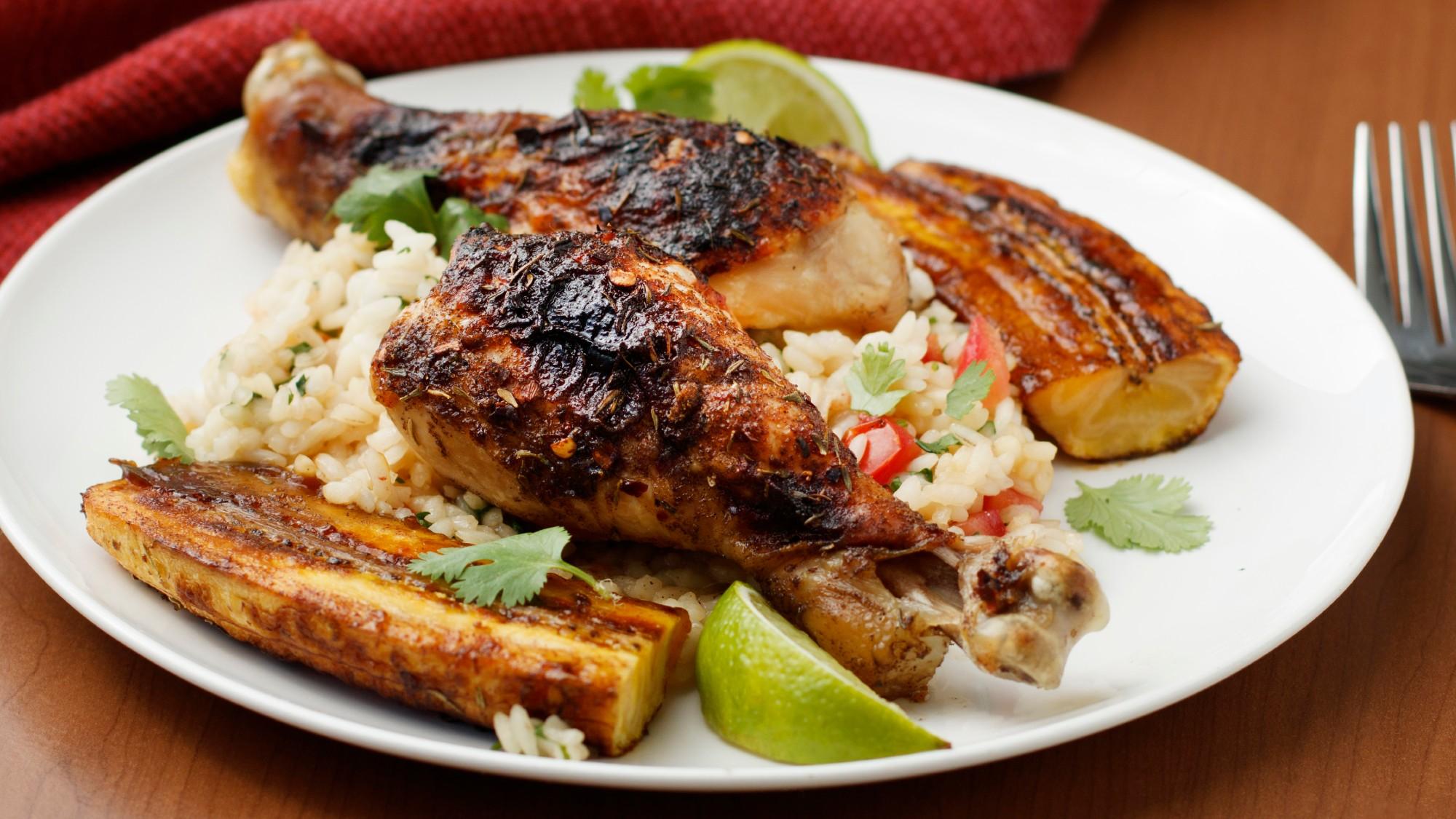
Caribbean cuisine is a vibrant tapestry woven from the diverse cultures and histories of the islands, each contributing its own unique flavor and traditions. As we embark on this culinary journey, we’ll uncover how indigenous peoples, colonial influences, and the transatlantic slave trade have shaped the dishes we enjoy today. From the zesty spices of jerk chicken to the comforting warmth of a bowl of callaloo, Caribbean food tells a story of resilience, resourcefulness, and celebration. But beyond tantalizing the taste buds, Caribbean cuisine also serves as a reflection of the islands’ complex social fabric, showcasing the convergence of African, European, and Asian culinary practices. Join us as we delve into the rich history, cultural significance, and lasting impact of Caribbean cuisine, and discover why it continues to captivate food lovers around the globe.
Table of Contents
- Origins and Evolution of Caribbean Cuisine
- Key Ingredients That Define Caribbean Flavors
- Cultural Influences Shaping Culinary Traditions
- Modern Trends and Sustainability in Caribbean Cooking
- The Conclusion
Origins and Evolution of Caribbean Cuisine
The origins of Caribbean cuisine are a vibrant tapestry woven from the many cultures that have influenced the islands over centuries. The indigenous peoples, such as the Taíno and Arawak, laid the groundwork with their unique ingredients, including cassava, maize, and sweet potatoes. As European colonizers arrived, their culinary traditions blended with local practices, introducing items like beef, pork, and various spices. The transatlantic slave trade brought a significant African influence, incorporating techniques such as stewing and frying while introducing staples like yams, okra, and plantains. This fusion of flavors created a distinct culinary identity characterized by a joyous celebration of color, taste, and aroma.
Throughout the 20th century, Caribbean cuisine continued to evolve, influenced by migration patterns and global trends. In this period, new flavor profiles emerged as immigrants from places like India and China brought their spices and cooking methods. The result is a rich culinary landscape that features dishes such as curry goat, fried rice, and roti, reflecting a true melting pot of cultures. Today, Caribbean cuisine is celebrated not only for its deliciousness but also its historical significance. The following table showcases some key influences that have shaped the culinary traditions of the Caribbean:
| Influence | Key Ingredients | Dishes |
|---|---|---|
| Indigenous | Cassava, Sweet potatoes | Bannock, Cassava bread |
| European | Beef, Pork, Thyme | Jerk chicken, Roast pork |
| African | Okra, Yams | Callaloo, Fufu |
| Asian | Rice, Curry spices | Curry chicken, Chinese fried rice |
Key Ingredients That Define Caribbean Flavors
The essence of Caribbean cuisine lies in its vibrant and diverse ingredients, each contributing to a unique tapestry of flavors that define the region’s culinary identity. At the heart of these flavors are exotic spices and aromatic herbs that elevate dishes to new culinary heights. Some fundamental components include:
- Scotch Bonnet Peppers – Known for their intense heat and fruity flavor, they are a staple in many Caribbean dishes.
- Pimento/Allspice – Often referred to as the “Jamaican pepper,” it adds warmth and depth to various recipes.
- Cilantro – Widely used in salsas and marinades, imparting a fresh, citrusy note.
- Garlic and Ginger – Essential aromatics that form the backbone of countless traditional dishes.
Equally important are the fresh fruits and vegetables that flourish in the Caribbean’s tropical climate. These ingredients not only provide essential nutrients but also create a palette of colors and flavors that are simply irresistible. Some of the standout items include:
- Plantains – Versatile and sweet, they can be fried, boiled, or baked.
- Yams and Cassava – Hearty staples that serve as the foundation for many hearty meals.
- Coconut – Used in various forms, from shredded for salads to milk for curries.
- Fresh Seafood – Reflecting the region’s rich marine bounty, it features prominently in many coastal dishes.
Cultural Influences Shaping Culinary Traditions
The vibrant tapestry of Caribbean cuisine is a testament to the diverse cultural influences that have converged on these islands over centuries. Indigenous peoples, European colonizers, and African slaves each brought their own culinary traditions, resulting in a rich melange that defines the region’s foodscape. Traditional dishes often feature a fusion of flavors, unique cooking techniques, and the use of local ingredients. Spices, herbs, and aromatic seasonings such as allspice, thyme, and Scotch bonnet peppers are essential, reflecting both the agricultural bounty of the islands and the historical trade routes that introduced various spices from outside the Caribbean. This cultural synthesis has played a pivotal role in shaping the food we celebrate today.
Moreover, the influence of Asian culinary practices can also be seen in the Caribbean, particularly with the arrival of Chinese, Indian, and other Asian immigrants. Their contributions introduced new ingredients and cooking styles that enriched local palates. The result is a culinary landscape where you can find curried goat, sweet and sour chicken, and roti served alongside traditional rice and peas. This blending of flavors not only enhances the gastronomic experience but also serves as a reflection of the islands’ complex history and communal ties. Below is a simple representation of notable dishes that showcase these cultural influences:
| Dish | Cultural Influence | Main Ingredients |
|---|---|---|
| Jerk Chicken | Indigenous & African | Allspice, Scotch bonnet, thyme |
| Curry Goat | Indian | Curry spices, goat meat, potatoes |
| Sweet and Sour Pork | Chinese | Pork, bell peppers, pineapple |
| Roti | Indian | Flour, water, various fillings |
Modern Trends and Sustainability in Caribbean Cooking
The culinary landscape of the Caribbean is undergoing a transformative shift, embracing modern trends while maintaining its rich cultural heritage. Sustainable cooking practices are at the forefront, pushing chefs and home cooks alike to rethink their methods and ingredient choices. Fresh, local produce is taking precedence over imported goods, thereby reducing the carbon footprint associated with long-distance transportation. This movement is characterized by farm-to-table initiatives, which foster a deeper connection between consumers and local agriculture, while also supporting community farmers. The focus has shifted towards using seasonal ingredients, showcasing the natural bounty of the islands, and allowing for innovative dishes that tell a story of place and culture.
Another fascinating aspect of this evolution in Caribbean cooking is the integration of traditional techniques with modern culinary concepts. Chefs are experimenting with fusion cuisines, blending Caribbean flavors with international cooking styles, which introduces a new layer of complexity to the dishes. We see a rise in the popularity of plant-based and vegetarian Caribbean cuisine, as more individuals become conscious of their dietary choices and the environmental impact of meat production. Notably, local fish, legumes, and tropical fruits are celebrated for their versatility and health benefits, leading to creative menus that are both delicious and sustainable. Here’s a glimpse of popular ingredients in sustainable Caribbean cooking:
| Ingredient | Benefits |
|---|---|
| Callaloo | Rich in vitamins and minerals; promotes health |
| Plantains | Versatile and nutrient-dense; supports local agriculture |
| Sea Grapes | High in antioxidants; sustainable seaweed farming |
| Jackfruit | Meat alternative; supports sustainable sourcing |
The Conclusion
As we conclude our journey through the vibrant tapestry of Caribbean cuisine, it’s clear that this culinary landscape is not just about flavors and ingredients, but also a powerful reflection of the region’s complex history and cultural interplay. From the indigenous influences to the rich contributions of African, European, and Asian culinary traditions, Caribbean food tells a story of resilience and adaptation.
Whether you’re savoring a plate of jerk chicken, indulging in a bowl of callaloo, or relishing the sweetness of a traditional rum cake, you’re experiencing a piece of the Caribbean’s rich heritage. Each bite offers a connection to the past, a celebration of community, and an invitation to explore the islands’ diverse cultures.
We hope this exploration has inspired you to dive deeper into the world of Caribbean cooking, to try your hand at its recipes, or perhaps to embark on a culinary journey through the Caribbean islands themselves. So gather your ingredients, bring your loved ones to the table, and celebrate the flavors that unite us all. After all, food is not just sustenance; it is a bridge that connects hearts and cultures across generations. Happy cooking!