


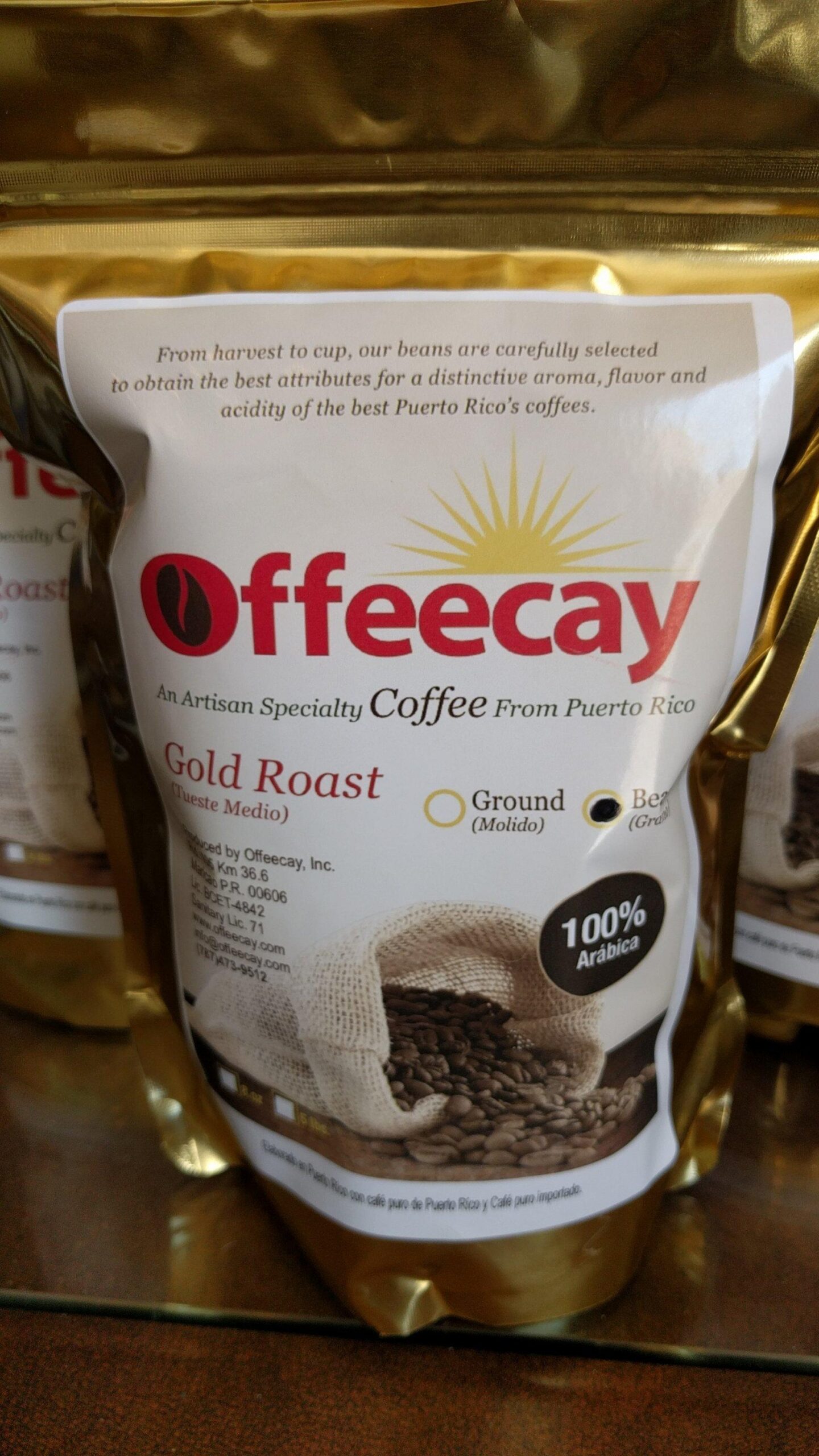
As the sun rises over the lush landscapes of the Caribbean, a vibrant and burgeoning coffee culture is brewing alongside its iconic beaches and rich history. With each passing year, coffee enthusiasts and casual drinkers alike are discovering the unique flavors and stories behind the region’s beans. From the high-altitude plantations of Jamaica to the artisanal cafés of Puerto Rico, the Caribbean is carving out a distinctive niche in the global coffee scene. This article delves into the factors driving the rise of Caribbean coffee culture today, highlighting the passionate producers, innovative baristas, and the growing appreciation for locally sourced, high-quality coffee. Join us on this exploration of the Caribbean’s awakening as a coffee destination, where tradition meets modernity and a vibrant culture emerges cup by cup.
Table of Contents
- The Origins and History of Caribbean Coffee Cultivation
- Current Trends in Caribbean Coffee Preferences
- Local Coffee Shops Leading the Way in Innovation
- Recommendations for Supporting Sustainable Caribbean Coffee Practices
- In Retrospect
The Origins and History of Caribbean Coffee Cultivation
Caribbean coffee cultivation has deep roots that trace back to the 18th century, when French colonists first introduced it to the region. The warm climate and fertile volcanic soil of islands like Jamaica and Haiti proved perfect for coffee growth, leading to rapid expansion. Soon, the coffee industry became an integral part of the colonial economy, with plantations growing extensively. The work was largely dependent on enslaved Africans, whose labor shaped the coffee landscape, particularly in islands like Dominican Republic, Puerto Rico, and Jamaica. In fact, it was the Blue Mountain coffee of Jamaica that gained global acclaim, earning a reputation for its delicate flavor and aromatic profile.
As the years progressed, various factors impacted the coffee industry in the Caribbean—including political upheavals, economic changes, and environmental challenges. The abolition of slavery in the 19th century led to a shift in the workforce, changing how coffee was produced and who cultivated it. Today, there is a strong emphasis on sustainable practices and direct trade models that empower local farmers. Key highlights of this evolution include:
- Organic farming: Many growers are adopting eco-friendly practices to enhance quality and sustainability.
- Specialty coffee: The rise of artisanal brands has put Caribbean beans back on the map for conscious consumers.
- Cultural fusion: Local brewing traditions are being celebrated, adding unique flavors and techniques to the global coffee narrative.
Current Trends in Caribbean Coffee Preferences
As the Caribbean coffee scene evolves, there is a noticeable shift towards locally sourced beans and sustainable practices. Many consumers are increasingly aware of the origin of their coffee and are seeking out single-origin varieties that reflect the unique terroir of each island. This has led to a rise in popularity for blends created from Jamaican Blue Mountain, Dominican Republic, and Puerto Rican coffee. Additionally, there is a growing preference for organic coffee, as health-conscious individuals opt for products that not only taste good but are also free from harmful chemicals.
Another exciting trend is the emergence of artisanal brewing methods that enhance the flavor profiles of Caribbean coffee. Cafés are adopting techniques such as pour-over and French press, which allow for greater control over brewing variables and ultimately improve the coffee experience. Alongside this, coffee cocktails are gaining traction, with mixologists crafting innovative drinks that highlight the rich flavors of locally roasted beans. This cultural fusion not only showcases the versatility of coffee but also draws in a younger audience eager for unique taste experiences.
Local Coffee Shops Leading the Way in Innovation
In the recent surge of Caribbean coffee culture, local coffee shops are redefining what it means to innovate in their craft. Gone are the days of traditional brewing methods alone; today’s coffee artisans are blending technology with creativity to enhance both flavors and experiences. Many are embracing sustainable sourcing practices and often collaborate with local farms, ensuring that the beans are fresh and ethically produced. Additionally, they are experimenting with unique infusions and brewing techniques, such as:
- Cold Brew with Tropical Flavors: Infusing cold brews with local fruits like passionfruit or guava for a refreshing twist.
- Direct Trade Practices: Establishing direct relationships with farmers to ensure quality and support community.
- Artisan Roasting: Using small-batch roasting to highlight the distinct profiles of Caribbean beans.
- Interactive Workshops: Hosting patrons for hands-on learning experiences about brewing methods.
Some coffee shops have gone a step further by integrating technology into their service offerings, enhancing customer engagement and satisfaction. For example, mobile apps now allow customers to order ahead, customize their drinks, and earn rewards, all while educating them on origin stories behind their coffee. Moreover, many shops feature tech-driven brewing equipment that can brew a perfect cup with precision. Below is a snapshot of some innovative strategies currently being employed:
| Strategy | Description |
|---|---|
| Blockchain Transparency | Tracking coffee beans from farm to cup to ensure ethical sourcing. |
| Augmented Reality Menus | Using AR to showcase bean origins and flavor profiles in shops. |
| Subscription Services | Delivering fresh coffee beans to customers’ homes monthly. |
Recommendations for Supporting Sustainable Caribbean Coffee Practices
To nurture a thriving coffee culture in the Caribbean while ensuring sustainability, stakeholders from farmers to consumers must collaborate. Supporting local coffee growers can significantly impact both the economy and the environment. Here are some recommendations to consider:
- Promote organic farming practices: Encourage farmers to adopt organic methods, reducing the use of harmful chemicals that can damage local ecosystems.
- Invest in fair trade: Purchase coffee from certified fair trade sources to ensure that producers receive a fair price and are encouraged to maintain sustainable practices.
- Foster community co-operatives: Support local co-operatives that can provide farmers with resources, training, and access to broader markets.
- Educate consumers: Raise awareness about the significance of choosing sustainably sourced coffee through workshops, tastings, and information campaigns.
Additionally, creating platforms for knowledge sharing and innovation can enhance sustainability efforts. Consider implementing initiatives like:
| Initiative | Description |
|---|---|
| Research Grants | Provide funding to develop sustainable agriculture practices and improve coffee quality. |
| Certification Programs | Develop certifications for sustainability that can add value to coffee products. |
| Workshops & Training | Organize sessions to educate farmers about sustainable farming techniques. |
In Retrospect
As we conclude our exploration of the rise of Caribbean coffee culture, it’s clear that this vibrant region is brewing more than just a rich cup of joe. From the lush, sun-kissed plantations to the bustling coffee shops that dot the landscape, the Caribbean is redefining its relationship with coffee—transforming it into a cultural staple that embodies community, artistry, and sustainability. As consumers continue to seek out unique flavors and experiences, the Caribbean coffee scene stands poised to capture the hearts and palates of coffee enthusiasts worldwide.
Whether you’re a seasoned coffee aficionado or simply curious about new tastes, the Caribbean offers an inviting blend of tradition and innovation. So, the next time you sip your favorite brew, take a moment to appreciate the journey it has made from the islands to your cup. Stay tuned for more insights into the ever-evolving world of coffee as we continue to raise our mugs to the flavors and stories that shape our global experience. Cheers!