


In recent years, the Caribbean region has witnessed a remarkable transformation in its sporting landscape, characterized by a surge in participation, investment, and international recognition. From cricket and athletics to emerging disciplines like rugby and basketball, the enthusiasm for sports among Caribbean youth and communities is palpable. Governments, local organizations, and international bodies have increasingly prioritized sports as a critical avenue for promoting healthy lifestyles, fostering community pride, and enhancing social cohesion. This article delves into the multifaceted growth of sports in the Caribbean, examining the factors driving this rise, the impact on regional identity, and the potential for future development in a landscape rich with talent and opportunity. As the Caribbean stakes its claim on the global sports stage, understanding this evolution is essential for grasping the broader implications for culture, economy, and youth engagement across the islands.
Table of Contents
- The Evolution of Competitive Sports in the Caribbean Region
- Impact of Sports on Community Development and Youth Engagement
- Sustainability Challenges and Opportunities in Caribbean Sports Infrastructure
- Strategic Recommendations for Enhancing Sports Governance and Investment
- Wrapping Up
The Evolution of Competitive Sports in the Caribbean Region
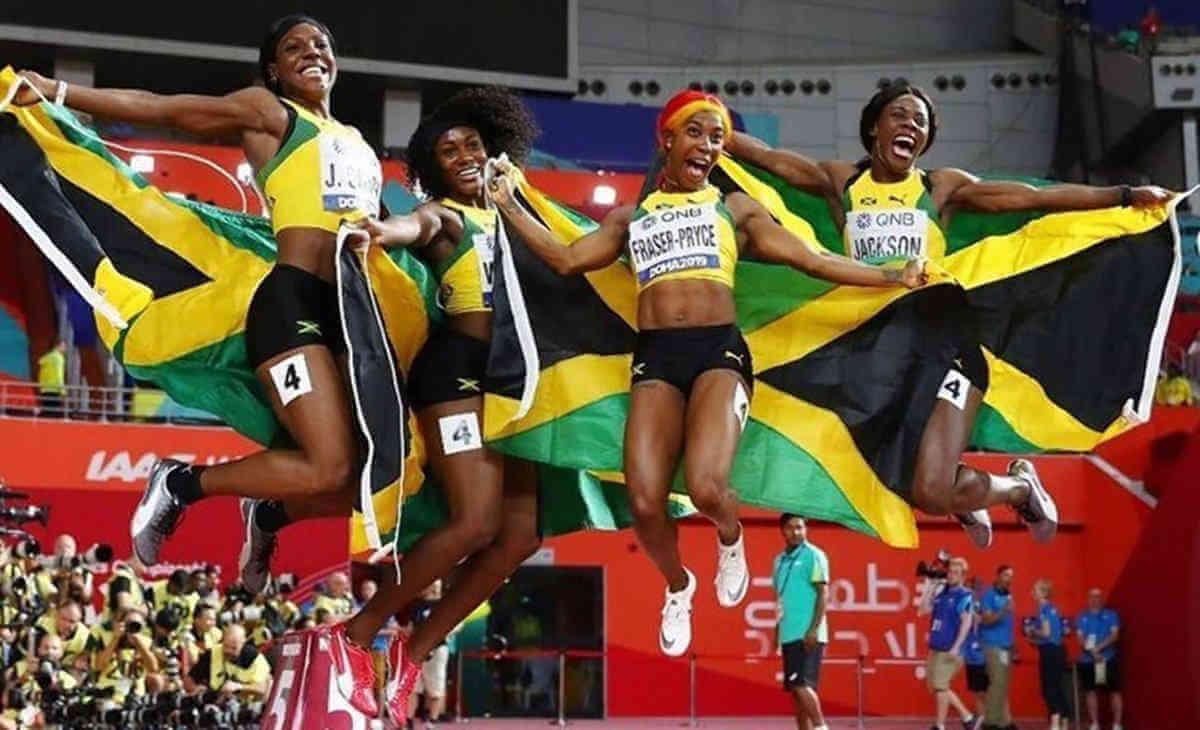
Over the past few decades, competitive sports in the Caribbean have undergone a remarkable transformation, driven by cultural influences and economic developments. Initially, traditional sports such as cricket and football were the dominant forms of competition, but there has been a noticeable expansion into a variety of sports. Athletics, particularly track and field, has gained immense popularity, thanks to champions like Usain Bolt and Shelly-Ann Fraser-Pryce, who have become global icons. Rugby, basketball, and volleyball have also seen increased participation and recognition, reflecting a growing diversity in athletic pursuits across the region.
Infrastructure has played a pivotal role in this evolution, with investments in sporting facilities and community programs fostering local talent. Furthermore, the impact of regional competitions such as the Caribbean Premier League (CPL) and the Caribbean Games cannot be overstated—they have not only provided a platform for athletes to showcase their skills but have also promoted sports tourism, drawing international attention. The Caribbean nations are now working to cultivate youth development programs, ensuring that this upward trend continues into the future, with a sustained focus on nurturing talent and promoting wellness through sports.
Impact of Sports on Community Development and Youth Engagement
The intertwining of sports with community development and youth engagement in the Caribbean has created a ripple effect benefiting both individuals and society as a whole. Sports have become a powerful tool for fostering identity and cohesion in various communities, encouraging teamwork, discipline, and leadership among the youth. Organized sports programs have gained momentum, engaging young people in constructive activities that not only promote physical health but also reduce crime rates and foster a sense of belonging. Many local organizations are stepping up to sponsor these initiatives, recognizing that investment in youth through sports can lead to long-term positive outcomes for the community.
Furthermore, the rise of community sports events has proven to be a catalyst for social change. These events bring together diverse groups, bridging cultural and socio-economic gaps, while promoting inclusivity and collaboration. Key benefits of these community sports initiatives include:
- Enhanced social cohesion: Bringing together individuals from various backgrounds.
- Skill development: Helping youths acquire essential life skills such as communication and resilience.
- Economic benefits: Generating local business through sports events and tourism.
To illustrate the impact of this initiative on different sectors, consider the table below:
| Sector | Impact |
|---|---|
| Health | Decrease in obesity and lifestyle-related diseases among youth |
| Education | Improved academic performance linked to participation in sports |
| Economy | Increased local employment opportunities due to sports-related events |
Sustainability Challenges and Opportunities in Caribbean Sports Infrastructure
The Caribbean region faces significant sustainability challenges in the development and maintenance of sports infrastructure. With the increasing frequency of natural disasters due to climate change, many facilities are at risk, necessitating improvements in resilience and adaptability. The focus on sustainability must shift towards integrating eco-friendly practices in the design and operation of sports venues. Key challenges include:
- Funding and Investment: Securing financial resources for environmentally responsible projects can be difficult, especially for small island nations.
- Infrastructure Decay: Many existing facilities are aging and require renovation to meet modern standards, often lacking the necessary sustainable technology.
- Environmental Impact: The construction and operation of sports facilities can lead to significant ecological footprints if not managed properly.
However, these challenges present unique opportunities for growth and innovation. The emphasis on sustainability can be harnessed to create cutting-edge sports infrastructure that not only serves local communities but also becomes a model for eco-conscious development. Initiatives may include:
- Green Certifications: Developing training programs for architects and builders to promote sustainable building practices.
- Community Engagement: Involving local populations in the planning and design processes to foster a sense of ownership and investment in sports facilities.
- Renewable Energy Integration: Implementing solar panels and other renewable energy sources within sports infrastructures to reduce operating costs and carbon footprints.
Strategic Recommendations for Enhancing Sports Governance and Investment
To effectively enhance sports governance and investment in the Caribbean region, it is crucial to establish clear standards and frameworks that ensure transparency and accountability within sports organizations. This can be achieved through the implementation of integrated governance structures that involve stakeholders from diverse sectors. Key recommendations include:
- Developing a regional sports governance framework that sets benchmarks for best practices.
- Encouraging collaboration between government, private sector, and civil society to foster sustainable investments in sports.
- Promoting education programs focused on sports management and leadership for current and future leaders in the field.
Investment in sports should prioritize infrastructure development, talent identification, and grassroots programs, ensuring broad accessibility and participation. It is essential to create financial incentives that attract both local and international investors. Potential strategies may include:
- Offering tax benefits or subsidies for businesses that invest in sports initiatives.
- Establishing public-private partnerships to upgrade facilities and promote regional events.
- Launching community-driven sports programs that harness local talent and engage youth in sports activities.
| Investment Strategy | Potential Benefits |
|---|---|
| Tax Incentives | Increased funding and support from businesses |
| Public-Private Partnerships | Enhanced facilities and broad community engagement |
| Grassroots Programs | Greater youth participation and talent development |
Wrapping Up
the rise of sports in the Caribbean region represents not only a significant cultural shift but also a potential catalyst for economic growth and social cohesion. As nations across this vibrant archipelago continue to invest in athletic programs, infrastructure, and grassroots initiatives, we are witnessing the emergence of a new generation of athletes poised to compete on the world stage. The proliferation of sports in the Caribbean reflects a deep-rooted passion for competition and community, while also enhancing the region’s visibility in international sporting arenas.
Furthermore, the strengthening of sports as a unifying force among diverse populations underscores its potential to foster national pride and solidarity. As stakeholders—from governments to private sectors—recognize the multifaceted benefits of sports, the future promises increased opportunities for talent development and tourism.
The ongoing commitment to nurturing sports in the Caribbean is a testament to the region’s resilience and creativity. As we look ahead, it is clear that the journey to sporting excellence has only just begun, offering a wealth of opportunities for future generations to build upon the rich legacy of athleticism that defines the Caribbean.