


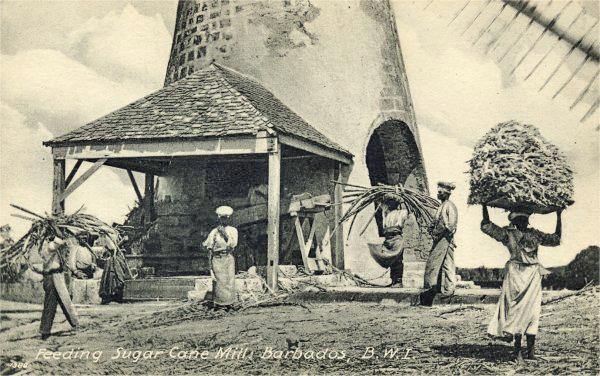
The Caribbean is renowned for its stunning landscapes, vibrant music, and rich history, but perhaps one of its most intriguing cultural elements is its deep-rooted relationship with rum. This potent spirit, often synonymous with sun-soaked beaches and festive gatherings, has a story that stretches back centuries, woven into the very fabric of Caribbean identity. From the sugar cane fields that dot the islands to the lively celebrations of Carnival, rum is more than just a drink—it’s a symbol of resilience, community, and heritage. In this article, we will delve into the multifaceted significance of rum culture in Caribbean life, exploring its historical roots, its role in social gatherings, and how it continues to shape cultural practices in the modern age. Join us as we raise a glass to the Caribbean’s beloved spirit and uncover the layers of meaning that make rum an integral part of island life.
Table of Contents
- The Historical Roots of Rum in Caribbean Culture
- The Role of Rum in Social Gatherings and Celebrations
- Sustainable Practices in Rum Production and Its Impact on Communities
- Exploring the Future of Rum Tourism in the Caribbean
- Wrapping Up
The Historical Roots of Rum in Caribbean Culture
The cultural significance of rum in the Caribbean is deeply rooted in the region’s history, tracing back to the early colonial days. Rum production began in the 17th century, aligned with the rise of sugar plantations and the transatlantic slave trade. The process of turning sugarcane into rum became a local craft, embodying not only the labor of enslaved Africans but also their resourcefulness in creating a spirit that would eventually become a symbol of Caribbean identity. As the trade expanded, so too did the popularity of rum across Europe and America, establishing it as a vital export and a centerpiece of Caribbean social life.
Rum has woven itself into the fabric of Caribbean celebrations and rituals. From lively festivals to intimate family gatherings, it acts as a social lubricant, fostering camaraderie and community. The spirit often features in a variety of cocktails, with local artisans crafting unique blends that reflect the flavors of their specific islands. This has resulted in a rich tapestry of rum traditions, including:
- Rum Punch: A vibrant mix enjoyed at festivals and parties.
- Rums of Distinction: Artisanal rums that highlight local ingredients.
- Traditional Toasts: Customary phrases shared during celebrations.
The legacy of rum also carries tales of resistance and resilience, where it served as a medium of exchange and a means of survival for many enslaved individuals. Through the centuries, rum has transformed into a cherished element of Caribbean heritage, encapsulating stories of the land and its people.
The Role of Rum in Social Gatherings and Celebrations
In the heart of Caribbean culture, rum serves more than just a beverage; it embodies the essence of social interaction and celebration. From vibrant street festivals to intimate family gatherings, the presence of rum often signifies moments of joy, camaraderie, and shared stories. Its versatility allows it to fit seamlessly into diverse settings, elevating occasions such as:
- Birthday parties: A staple for toasting new beginnings.
- Weddings: Enhancing celebrations with signature cocktails.
- Public festivals: Bringing communities together through shared experiences.
- Beach outings: Creating leisurely moments while soaking up the sun.
Moreover, the way rum is enjoyed often reflects local customs and practices. In many Caribbean households, the act of preparing rum drinks serves as a ritual that fosters connection among friends and family. Whether it’s through rum tastings or cultural toasts, these experiences create a sense of belonging and continuity. Various rum brands are celebrated for their unique flavors and histories, contributing to the formation of collective identities within communities. To further emphasize this point, the table below showcases a few notable Caribbean rums and their traditional uses:
| Rum Brand | Country | Traditional Use |
|---|---|---|
| Mount Gay | Barbados | Sipping and cocktails |
| Appleton Estate | Jamaica | Special occasions |
| Brugal | Dominican Republic | Family gatherings |
Sustainable Practices in Rum Production and Its Impact on Communities
In recent years, the rum industry has begun to embrace sustainable practices that not only contribute to environmental conservation but also foster community development. By prioritizing eco-friendly sourcing of sugarcane, distilleries are actively reducing their carbon footprints. Many producers are focusing on regenerative farming techniques and organic agricultural practices that minimize the use of chemical fertilizers and pesticides. This shift towards sustainable cultivation not only benefits the environment but also supports local farmers by ensuring they receive fair wages and access to resources. Consequently, the ripple effect of these practices enhances the economic stability of rum-producing regions.
Furthermore, community engagement plays a crucial role in the movement towards sustainability. Distilleries are increasingly investing in local infrastructure and educational programs aimed at promoting conservation and responsible alcohol consumption. Some initiatives include:
- Collaborative workshops with farmers to promote sustainable agriculture techniques.
- Community festivals that celebrate local culture and rum heritage.
- Investments in waste management systems to minimize environmental impact.
These efforts are reflective of a broader commitment to blending tradition with innovation, ensuring that rum production continues to thrive while uplifting the very communities that contribute to its rich history.
Exploring the Future of Rum Tourism in the Caribbean
The Caribbean is on the cusp of a transformative journey in rum tourism, an opportunity that highlights the region’s unique blend of tradition, craftsmanship, and cultural heritage. With an increasing number of distilleries embracing sustainable practices and local ingredients, tourists are eager to visit these establishments to experience firsthand the distillation process. This growing industry can significantly boost local economies, offering visitors a chance to explore the *rich tapestry of rum culture*, from tasting sessions to guided tours, and allowing for an authentic connection with Caribbean identity.
As tourism evolves, so do the experiences offered to travelers. Innovative travel packages are emerging, which often include:
- Exclusive distillery tours: Where visitors witness the intricacies of rum production.
- Culinary pairings: Featuring local cuisine that complements various rum styles.
- Cultural festivals: Celebrating the history and significance of rum in Caribbean life, bringing communities together.
Engaging in these experiences enriches visitors’ understanding of the cultural significance of rum, while also highlighting the potential for community engagement and preservation of traditions in the face of modernization. As the Caribbean continues to refine its reputation as a rum destination, it is poised to captivate the palates and imaginations of travelers worldwide.
Wrapping Up
As we conclude our exploration of rum culture in Caribbean life, it’s clear that this spirited beverage is far more than just a drink. It embodies the rich tapestry of history, tradition, and community that defines the Caribbean experience. From its origins steeped in colonial influence to its present-day status as a symbol of festivity and togetherness, rum continues to play a pivotal role in the lives of those who inhabit these vibrant islands.
As you savor your next glass of rum—whether it’s a classic mojito, a tropical daiquiri, or a simple neat pour—take a moment to reflect on the stories and traditions that have shaped this remarkable culture. The bonds forged over a shared drink, the celebrations marked by rum, and the artistry of craft distillation all contribute to a living heritage that deserves appreciation.
We invite you to continue this journey of discovery. Whether you’re a connoisseur or simply curious, venturing deeper into the essence of rum culture will only enhance your understanding and enjoyment of the Caribbean way of life. Cheers to the stories, the people, and the passion behind every sip!