


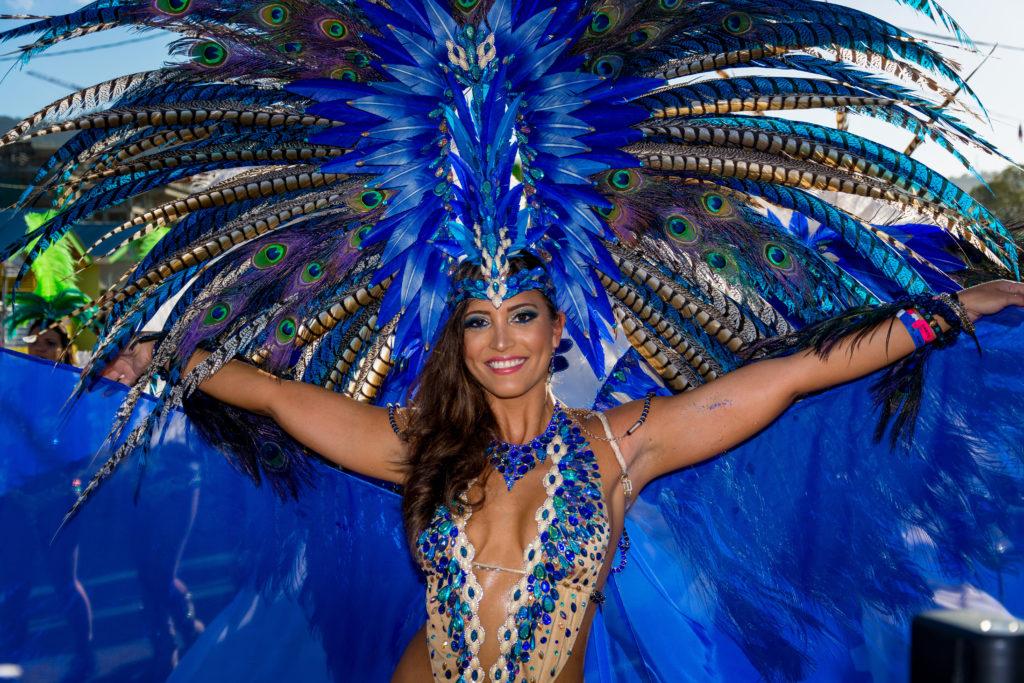
As the vibrant tapestry of Caribbean culture continues to evolve, its rich heritage remains deeply rooted in festivals that celebrate the traditions, customs, and artistry of island communities. Each year, locals and tourists alike flock to a myriad of festivities that showcase the unique flavors, music, and historical narratives of the region’s diverse populations. From the infectious rhythms of carnival parades to the culinary delights of traditional food fairs, these festivals serve not only as entertainment but also as powerful affirmations of identity and heritage. In this article, we delve into some of the top Caribbean festivals that honor local heritage, examining their origins, cultural significance, and the ways in which they foster community connections and tourist engagement. Join us as we embark on a journey through the lively celebrations that define the spirit of the Caribbean.
Table of Contents
- Celebrating Cultural Richness Through Caribbean Festivals
- Spotlight on Music and Dance Traditions at Caribbean Heritage Events
- Gastronomic Journeys: Culinary Festivals Showcasing Local Flavors
- Engaging the Community: How Festivals Foster Heritage Preservation
- Final Thoughts
Celebrating Cultural Richness Through Caribbean Festivals
The Caribbean is a vibrant tapestry of cultures, and its festivals reflect the diverse heritage of the region. Each celebration is a unique manifestation of the islands’ history, music, and traditions, often featuring a blend of indigenous, African, European, and Asian influences. Events like the Junkanoo Festival in The Bahamas and the Carnival in Trinidad and Tobago showcase elaborate costumes, infectious rhythms, and spirited dance, drawing locals and tourists alike into a whirl of color and excitement. These festivals not only preserve cultural identities but also foster community spirit and encourage artistic expression.
Additionally, festivals such as the Crop Over Festival in Barbados and the Heritage Festival in St. Lucia serve as platforms to highlight local artisans, chefs, and performers. Visitors can expect a feast for the senses with culinary delights representing the region’s rich agricultural bounty, including sugar cane, seafood, and exotic fruits. Exhibitions, parades, and workshops offer opportunities for deeper engagement with the culture, making each festival an immersive experience. Below is a glimpse of some notable Caribbean festivals:
| Festival Name | Location | Date |
|---|---|---|
| Junkanoo | The Bahamas | December 26 & January 1 |
| Carnival | Trinidad and Tobago | February (dates vary) |
| Crop Over | Barbados | June to August |
| Heritage Festival | St. Lucia | July |
Spotlight on Music and Dance Traditions at Caribbean Heritage Events
The Caribbean is a vibrant tapestry of music and dance that reflects its rich cultural heritage. At local festivals, attendees are treated to a spectacular showcase of traditional sounds and movements that tell the stories of diverse communities. These events often feature live performances by local artists, ensuring that the roots of the music remain authentic and deeply connected to the heritage. Popular genres such as calypso, reggae, soca, and merengue fill the air, inviting everyone to the dance floor. The integration of traditional Caribbean instruments, like the steel pan and marimba, adds a unique texture to the musical experience, while dancers adorn themselves in vibrant costumes, representing the colorful history and traditions of their islands.
One of the highlights of these festivals is the communal spirit they foster, as locals and visitors alike come together to celebrate their shared love for cultural expression. Workshops and interactive sessions allow festival-goers to learn native dances, deepening their appreciation for the art forms. Here’s a glimpse of some of the essential music and dance segments you might encounter at Caribbean heritage events:
| Festival | Highlighted Music/Dance | Location |
|---|---|---|
| Carnival | Calypso & Soca | Trinidad & Tobago |
| Reggae Sumfest | Reggae | Montego Bay, Jamaica |
| Merengue Festival | Merengue & Bachata | Dominican Republic |
| Carnevale | Bomba & Plena | Puerto Rico |
Through these festivals, the Caribbean preserves its musical legacy while adapting it for future generations. Engaging with the rhythms, steps, and stories enhances the cultural landscape, creating memorable experiences that resonate long after the final performance. The unifying power of music and dance at these gatherings not only celebrates the past but embraces the evolving identity of Caribbean communities.
Gastronomic Journeys: Culinary Festivals Showcasing Local Flavors
As the sun sets over the turquoise waters, the Caribbean reveals its vibrant culture through a tapestry of culinary festivals that celebrate the richness of local flavors. Each gathering is a testament to the islands’ unique heritage, showcasing dishes that tell stories of ancestral traditions and modern innovations. From Trinidad’s famed Carnival to the flavorful delights of Jamaica’s Food and Wine Festival, these events not only feature mouthwatering cuisines, but also offer a stage for local chefs to demonstrate their culinary prowess, using indigenous ingredients such as cassava, yam, and fresh seafood.
Attendees can savor a variety of regional dishes, participate in cooking classes, and enjoy live entertainment that brings the island spirit to life. Notable festivals include:
- Dominica’s Creole Festival: Celebrates Creole cuisine with traditional dishes like callaloo soup and fish broth.
- Barbados Food and Rum Festival: A fusion of local gastronomy and the island’s famed rum culture.
- Cayman Cookout: An extravagant gathering featuring renowned chefs and breathtaking beach locations.
To add a flavorful twist to your trip, here’s a quick comparison of some standout festivals:
| Festival | Location | Main Attraction |
|---|---|---|
| Trinidad Carnival | Trinidad and Tobago | Street food and mas bands |
| Jamaica Food and Wine Festival | Jamaica | Celebrity chef demonstrations |
| St. Lucia Food and Rum Festival | St. Lucia | Local rum tastings and culinary tours |
Engaging the Community: How Festivals Foster Heritage Preservation
Festivals serve as vibrant platforms for communities to celebrate their unique heritage, promoting cultural continuity and fostering a sense of belonging. Through engaging performances, traditional cuisine, and local crafts, these events not only entertain but also educate attendees about their ancestral roots. Local communities come together to showcase their rich traditions, ensuring that younger generations are exposed to their history and customs. In this way, festivals act as living museums, providing an immersive experience that encourages both appreciation and preservation of heritage.
Moreover, many festivals incorporate community-based initiatives that strengthen cultural identity and inspire pride among participants. Events often feature:
- Workshops on traditional crafts and skills
- Storytelling sessions to share local folklore
- Culinary competitions celebrating regional dishes
These initiatives not only enhance the festival experience but also promote sustainable practices that help secure the economic viability of cultural preservation. By investing in local artisans and promoting their craft, festivals become a catalyst for the revitalization of cultural practices, ultimately fostering collaboration within the community and ensuring that heritage remains a living, breathing aspect of daily life.
Final Thoughts
the vibrant festivals of the Caribbean offer a unique glimpse into the rich tapestry of local heritage, culture, and traditions that define the region. From the pulsating rhythms of Carnival in Trinidad and Tobago to the enchanting celebrations of Junkanoo in the Bahamas, these events not only showcase the artistic talents of local communities but also foster unity and pride among their participants. As travelers increasingly seek authentic experiences, these festivals stand out as essential destinations that honor and preserve the diverse histories and customs of the Caribbean islands. By attending these celebrations, visitors not only partake in the joyous festivities but also contribute to the ongoing efforts to sustain cultural traditions for future generations. As the Caribbean continues to thrive and evolve, its festivals will remain a testament to the resilience and creativity of its people, inviting everyone to explore and appreciate the rich heritage that defines these beautiful islands.