


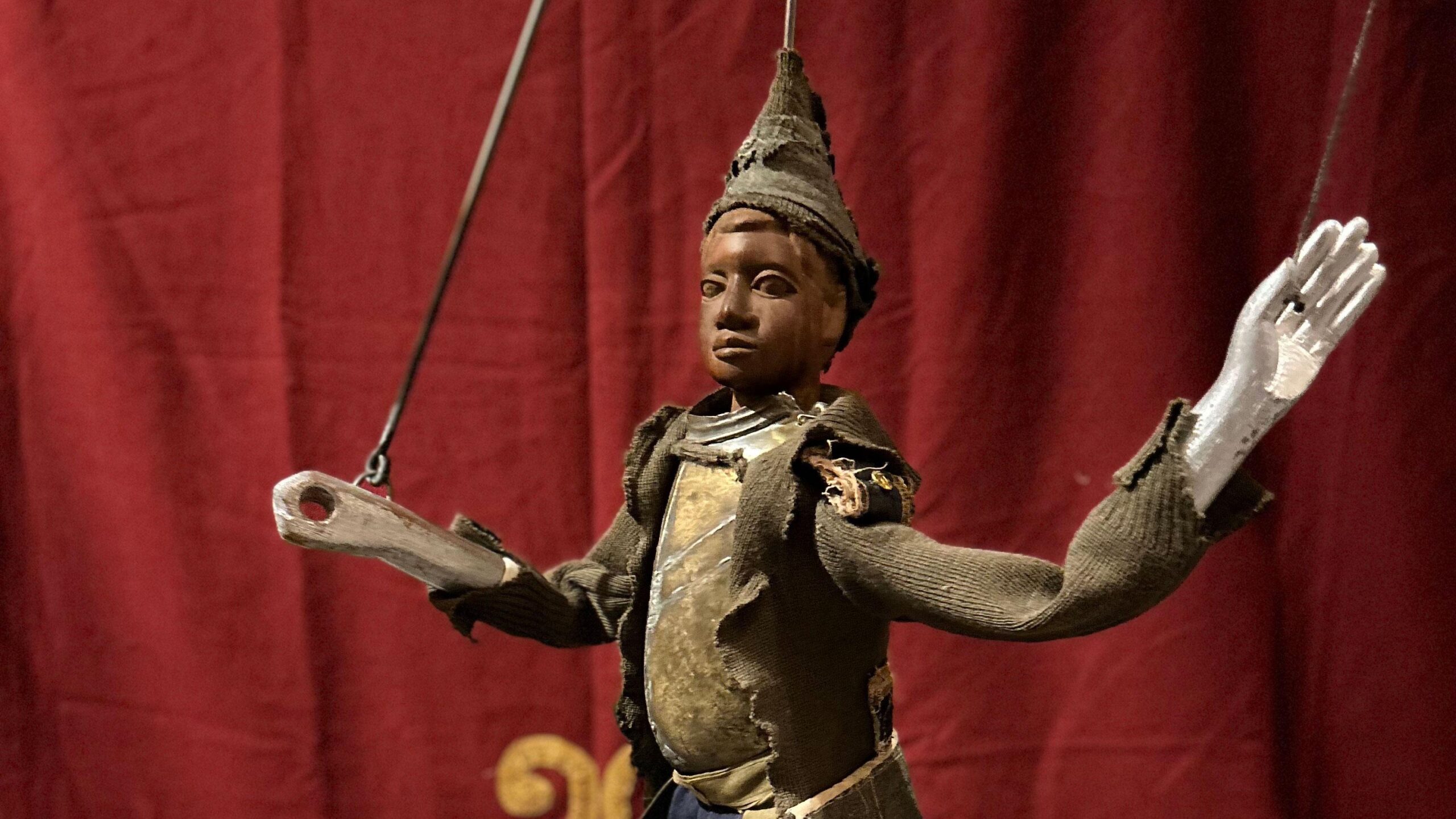
: A Cultural Heritage in Peril
The vibrant tapestry of Caribbean culture is woven with a rich heritage of storytelling and performance, where traditional puppet shows and folk tales play a vital role in preserving the region’s unique history and identity. As globalization and modern entertainment increasingly dominate the cultural landscape, these art forms, which have entertained and educated generations, face the risk of fading into obscurity. In this article, we delve into the enchanting world of Caribbean puppet theater and folk narratives, examining their historical roots, cultural significance, and the efforts being made to keep these cherished traditions alive. From the intricate craftsmanship of puppeteers to the moral lessons embedded in age-old stories, we uncover the magic that continues to captivate audiences and highlight the urgent need for preservation in an ever-changing world.
Table of Contents
- Understanding the Cultural Significance of Caribbean Puppet Shows
- Key Techniques and Materials Used in Traditional Puppet Crafting
- A Journey Through Folklore: Iconic Tales from the Caribbean
- Supporting the Arts: Recommendations for Engaging with Local Puppet Theatre
- The Way Forward
Understanding the Cultural Significance of Caribbean Puppet Shows
Caribbean puppet shows are more than mere entertainment; they are a profound cultural tapestry woven from the region’s rich history, diverse ethnicities, and vibrant traditions. These performances often serve as a reflection of the community’s social and political landscape, acting as both a mirror and a critique of society. Through the lively antics of marionettes and hand puppets, stories drawn from folklore, mythology, and everyday life come alive, capturing the essence of Caribbean identity and resilience. The use of local dialects, music, and dance in these shows not only entertains but also reinforces cultural pride and continuity among generations.
The stories told through puppetry often revolve around moral lessons, historical events, or supernatural beliefs that resonate deeply with audiences. This storytelling medium becomes a vessel for preserving language, customs, and rituals, highlighting the educational aspect of the art form. Furthermore, puppet shows are a communal activity that fosters togetherness; they often take place during festivals, carnivals, or family gatherings, strengthening social bonds. Below is a table that encapsulates key elements regarding the themes often explored in Caribbean puppet shows:
| Theme | Description |
|---|---|
| Folklore | Tales of tricksters like Anansi, embracing cleverness and resourcefulness. |
| History | Exploration of colonial past and the fight for independence. |
| Mythology | Legends of gods and spirits intertwined with everyday life. |
| Social Justice | Commentary on contemporary issues, advocacy for change. |
Key Techniques and Materials Used in Traditional Puppet Crafting
Traditional puppet crafting in the Caribbean showcases a rich tapestry of techniques and materials that have been handed down through generations. Artisans often employ natural resources available in their surroundings, transforming them into captivating performances. The crafting process typically involves the use of:
- Wood – Many puppeteers favor hardwoods like mahogany for their durability and ease of carving, creating intricate puppet bodies.
- Fabric – Vibrant local textiles, such as cotton or silk, are stitched together to create colorful costumes for the puppets, enhancing their visual appeal.
- Paint – Non-toxic paints are used to ornament puppets, allowing for artistic expressions that reflect local culture and folklore.
The techniques used in puppet creation are as diverse as the cultures they represent. Artisans adeptly utilize string and rod mechanics to control their puppets, ensuring fluid motion and lifelike performances. The following table highlights some common puppetry techniques:
| Technique | Description |
|---|---|
| Marionette | Puppets suspended from strings controlled by a puppeteer from above, allowing for complex movements. |
| Hand Puppetry | Puppeteer operates the puppet with their hand inside, creating an intimate connection with the audience. |
| Shadow Puppetry | Silhouettes of puppets are projected onto a screen, creating stunning visual effects and storytelling magic. |
A Journey Through Folklore: Iconic Tales from the Caribbean
In the vibrant tapestry of Caribbean culture, traditional puppet shows are an enchanting medium that brings folklore to life. Often performed at local festivals and community gatherings, these shows transport audiences into a world where myth and reality intertwine. Puppeteers, wielding intricately designed marionettes, narrate tales of legendary heroes and mythical creatures, captivating both children and adults alike. The stories commonly include characters such as Anansi, the clever spider known for his wit, and La Diablesse, a beguiling woman who leads men into the depths of the forest, showcasing the region’s rich oral traditions.
These captivating performances not only serve to entertain but also to educate the younger generations about their cultural heritage. The puppeteers, often community members themselves, draw from a wealth of traditional anecdotes passed down through families, ensuring that each tale retains its unique flavor. Common themes in these stories often include the struggle between good and evil, respect for nature, and moral lessons—integral aspects of Caribbean identity. A quick look at some of the most beloved characters reveals the enchanting diversity of Caribbean folklore:
| Character | Origin | Notable Traits |
|---|---|---|
| Anansi | West African/Caribbean | Cleverness, trickster |
| La Diablesse | Saint Lucian | Mystique, allure |
| Soucouyant | Venezuelan/Caribbean | Shape-shifter, vampire |
| Jumbie | Various Caribbean islands | Spirits of the deceased, feared |
Supporting the Arts: Recommendations for Engaging with Local Puppet Theatre
Engaging with local puppet theater offers a unique opportunity to connect with the vibrant cultural tapestry of the Caribbean. To truly experience the richness of traditional puppet shows and folk tales, consider the following recommendations:
- Attend Performances: Make it a priority to attend local puppet shows, where you can enjoy folktales brought to life through the craftsmanship of talented puppeteers.
- Participate in Workshops: Look for workshops that allow you to create your own puppets or learn the art of storytelling, enhancing your appreciation for this captivating medium.
- Support Local Artists: Purchase handmade puppets or prints from local artisans to support their craft and keep these artistic traditions alive.
- Engage with Schools: Collaborate with local schools to introduce puppet theater in educational settings, fostering creativity and cultural understanding among young students.
Furthermore, consider creating a community calendar to keep everyone informed about upcoming puppet shows and cultural events. This can be a simple table highlighting essential details:
| Event | Date | Location |
|---|---|---|
| Puppet Gala Night | December 12, 2023 | Caribbean Cultural Centre |
| Family Puppet Workshop | January 15, 2024 | Community Arts Studio |
| Folktale Festival | February 28, 2024 | Town Square |
Through these actions, you will not only uplift local puppet theater but also ensure the preservation of Caribbean storytelling traditions for future generations.
The Way Forward
the vibrant tradition of puppet shows and folk tales in the Caribbean serves as a vital link to the region’s rich cultural heritage. These performances not only entertain audiences but also embody the historical narratives, social values, and artistic expressions unique to various islands. As we continue to explore and celebrate these art forms, it is essential to support local artists and initiatives that aim to keep these traditions alive. By doing so, we not only honor the past but also ensure that future generations can appreciate the enchanting stories and the intricate puppetry that have characterized Caribbean culture for centuries. As the Caribbean continues to evolve, the importance of preserving these timeless forms of storytelling remains paramount, fostering an understanding of identity and community in a rapidly changing world.