


Introduction:
Caribbean cuisine is a vibrant tapestry woven from centuries of cultural exchange, historical narratives, and the rich biodiversity of the region’s islands. At the heart of this culinary adventure lies a diverse palette of traditional spices and ingredients that not only tantalize the taste buds but also tell the story of the Caribbean’s multifaceted heritage. From the fiery heat of Scotch bonnet peppers to the aromatic allure of allspice, each ingredient carries with it a wealth of traditions and flavors that define the region’s culinary identity. In this article, we will embark on an exploration of these essential spices and ingredients, delving into their origins, uses, and the crucial role they play in crafting the delightful dishes that have become synonymous with Caribbean culture. Join us as we uncover the secrets behind the spices that make Caribbean cuisine a truly unique and unforgettable experience.
Table of Contents
- Understanding the Role of Tropical Spices in Caribbean Flavor Profiles
- Essential Ingredients That Define Caribbean Culinary Heritage
- A Guide to Sourcing Authentic Caribbean Spices for Home Cooking
- Innovative Ways to Incorporate Traditional Caribbean Ingredients in Modern Dishes
- The Way Forward
Understanding the Role of Tropical Spices in Caribbean Flavor Profiles
Tropical spices play a pivotal role in crafting the vibrant and diverse flavor profiles that characterize Caribbean cuisine. These spices are not just mere seasonings; they are essential components that reflect the rich cultural tapestry of the region. From the fiery heat of Scotch bonnet peppers to the sweet warmth of allspice, each spice tells a story of the land and its people. Other key spices include:
- Cinnamon: Often used in both sweet and savory dishes, adding depth and a hint of warmth.
- Nutmeg: A staple in traditional drinks and baked goods, providing a distinct aromatic flavor.
- Cloves: With their intense taste, they are often used in marinades and pickling recipes.
- Thyme: A versatile herb that enhances the freshness of many Caribbean dishes.
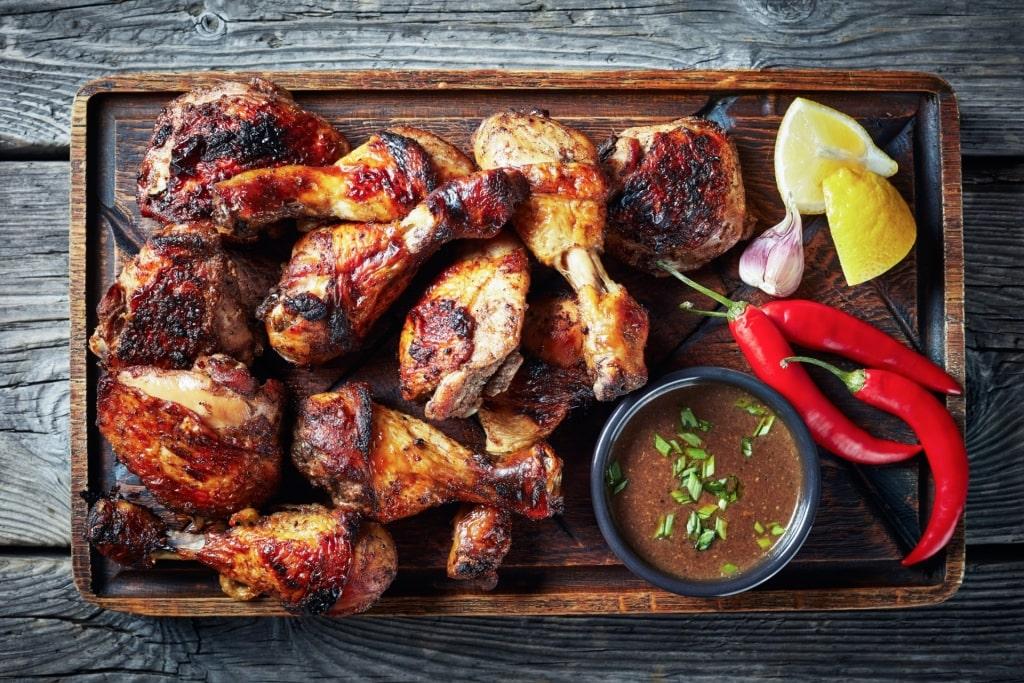
The interplay of these spices results in a unique culinary experience that can vary from island to island. For instance, Jamaican jerk seasoning is known for its robust flavor, combining allspice and Scotch bonnet peppers, while Trinidadian cuisine often incorporates saffron and curry powder, showcasing the influence of Indian spices. To further illustrate the significance of these spices, the following table outlines the key spices along with their primary uses:
| Spice | Primary Uses |
|---|---|
| Allspice | Meat marinades, desserts, sauces |
| Scotch Bonnet | Salsas, jerk seasoning, hot sauces |
| Curry Powder | Curry dishes, stews, rice |
| Garlic | Seasoning for meats and vegetables |
Essential Ingredients That Define Caribbean Culinary Heritage
The Caribbean is a vibrant tapestry of cultures, and its culinary heritage is no exception. A rich amalgamation of indigenous, African, European, and Asian influences has given rise to an array of essential ingredients that are pivotal in traditional Caribbean dishes. Spices such as allspice, nutmeg, and cloves deliver warmth and depth, while fresh herbs like thyme, parsley, and cilantro brighten up flavors. Additionally, scotch bonnet peppers stand as the quintessential heat component, infusing dishes with a fiery kick that speaks to the region’s bold character.
Moreover, staples like coconut, plantains, and rice form the backbone of many meals, showcasing the agricultural richness of the islands. Traditional cooking techniques often shine through in recipes that highlight the natural sweetness of tropically grown fruits such as mango, papaya, and pineapple. These ingredients not only enhance flavor but also reflect the Caribbean’s commitment to fresh, vibrant, and sustainable cooking practices. A table summarizing these key components provides a snapshot of the flavors that make Caribbean cuisine so unique:
| Ingredient | Flavor Profile | Culinary Use |
|---|---|---|
| Allspice | Warm, sweet, and spicy | Marinades, spice blends |
| Coconut | Sweet, creamy | Curries, desserts |
| Scotch Bonnet Pepper | Fiery, fruity | Hot sauces, jerk seasoning |
| Plantains | Sweet, starchy | Fried, grilled |
| Nutmeg | Warm, nutty | Soups, desserts |
A Guide to Sourcing Authentic Caribbean Spices for Home Cooking
When venturing into the world of Caribbean cooking, sourcing authentic spices is essential to capturing the vibrant flavors characteristic of the region. Start by exploring local markets or specialty food stores known for their diverse selections. Many Caribbean spices can be found in their dried form, but for an authentic taste, consider sourcing them whole and grinding them yourself. Cumin, allspice, and thyme are staples that can elevate your dishes. Look for brands that emphasize sustainable farming practices and ethical sourcing to ensure the spices not only taste great but support the communities where they are grown.
Another excellent option is to connect with Caribbean communities in your area or seek out online retailers that specialize in Caribbean ingredients. Online marketplaces often provide access to fresh spices and blends straight from the islands, ensuring authenticity. Here are some popular spices to include in your pantry:
- Pimento: Also known as allspice, a key ingredient in jerk seasoning.
- Scotch Bonnet Peppers: Essential for achieving the signature heat in many Caribbean dishes.
- Sarson (mustard seed): Used in pickling and as a flavoring agent.
| Spice | Flavor Profile | Common Uses |
|---|---|---|
| Bandhania (Culantro) | Earthy, citrusy | Soups, stews, marinades |
| Turmeric | Warm, slightly bitter | Curries, rice dishes |
| Garlic | Pungent, savory | All types of cooking |
Lastly, don’t forget about the balance of spices in your cooking. Authentic Caribbean cuisine relies on combining various flavors and spices to achieve depth. Experiment with different combinations and ratios to create your unique twist on traditional recipes, all while staying true to the essence of Caribbean culinary heritage.
Innovative Ways to Incorporate Traditional Caribbean Ingredients in Modern Dishes
Infusing traditional Caribbean ingredients into contemporary dishes allows chefs and home cooks alike to create vibrant culinary experiences that pay homage to the region’s rich heritage. For instance, instead of using standard spices, consider harnessing the unique flavors of allspice, often referred to as pimento, which can elevate everything from roasted vegetables to chocolate desserts. Additionally, Scotch bonnet peppers can be blended into sauces or marinades, introducing an exciting heat that complements modern proteins like grilled chicken or shrimp tacos, while maintaining authenticity. Try using coconut milk in risottos or soups for a tropical creaminess, or replace regular rice with coconut rice to add a fragrant twist to meat or seafood dishes.
Another innovative approach involves incorporating Caribbean staples into popular global cuisines. For example, think about creating a jerk chicken stir-fry by marinating the chicken in a classic jerk spice blend, then quickly sautéing it with colorful bell peppers and snap peas. You can also experiment with plantains by baking or frying them and using them as a base for modern tapas or flatbreads. Adding an unexpected Caribbean touch can be as simple as a sprinkle of nutmeg or a drizzle of guava sauce atop a gourmet burger. Below is a table showcasing some traditional Caribbean ingredients and their potential modern applications:
| Ingredient | Modern Application |
|---|---|
| Allspice | Chocolate brownies, savory marinades |
| Scotch bonnet | Hot sauces, salsas |
| Coconut milk | Soups, creamy pasta |
| Plantains | Flatbread, chips for dip |
| Nutmeg | Coffee drinks, dessert spices |
| Guava | Glazes, dressings |
The Way Forward
As we wrap up our exploration of traditional spices and ingredients in Caribbean cuisine, it’s clear that this vibrant culinary landscape offers more than just tantalizing flavors; it embodies a rich tapestry of history, culture, and community. From the fiery heat of Scotch bonnet peppers to the aromatic embrace of allspice and the unmistakable sweetness of coconut, each ingredient tells a story woven through generations, geography, and shared experiences.
Embracing these traditional elements not only enhances the authenticity of Caribbean dishes but also connects us to the very essence of the islands themselves. Whether you’re a seasoned chef or a curious home cook, incorporating these spices into your culinary repertoire can transport your taste buds to sun-soaked shores and lively gatherings.
We encourage you to venture beyond the typical and experiment with these ingredients in your own kitchen. Today’s global culinary scene is the perfect backdrop for fusion and creativity, so don’t hesitate to blend Caribbean elements with your favorite cuisines. As you dive into these flavors, remember that cooking is not just about nourishment; it’s about storytelling, connection, and celebration.
We hope this guide serves as a beacon for your culinary journey through the Caribbean. Let the spices guide you, inspire you, and remind you of the beautiful diversity that our world has to offer. Happy cooking, and may your kitchen always be filled with the warmth and joy of Caribbean flavors!