


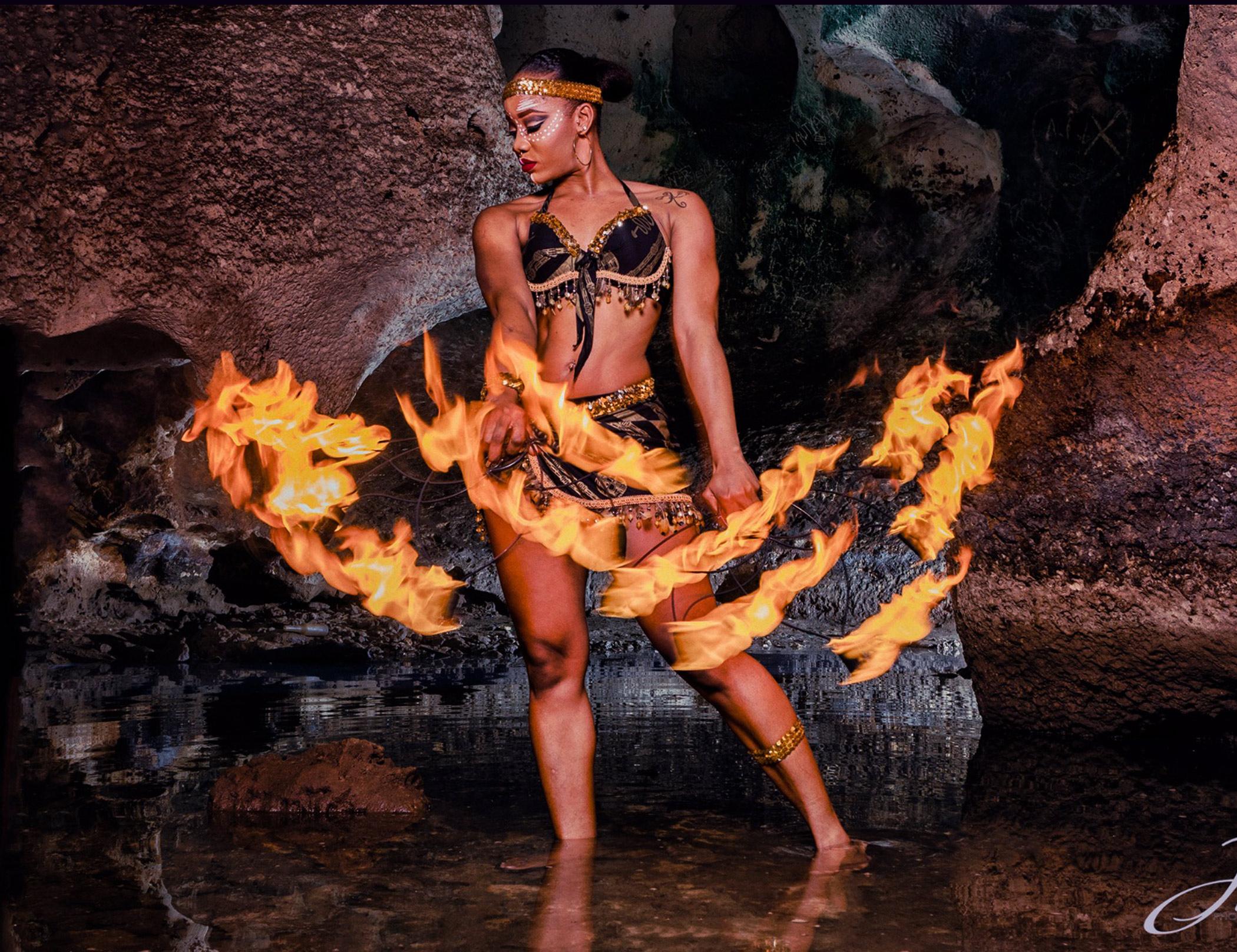
The Caribbean, renowned for its vibrant landscapes and rich cultural heritage, is home to an array of artistic expressions that captivate both locals and visitors alike. Among these, the mesmerizing art of fire dancing stands out as a powerful testament to the region’s unique blend of tradition, creativity, and community spirit. This article delves into the origins and significance of fire dancing within Caribbean culture, highlighting its role in festivals, rituals, and contemporary performances. As we explore this intriguing art form, we will also examine the broader spectrum of cultural arts that enrich the Caribbean experience, showcasing the talents of artisans, performers, and musicians who contribute to the dynamic tapestry of island life. Join us as we uncover the flames of passion, heritage, and resilience that define Caribbean fire dancing and celebrate its enduring presence in the hearts of the islands.
Table of Contents
- Unveiling the Artistry of Caribbean Fire Dancing
- Cultural Significance and Historical Roots of Fire Dancing
- Engaging with Local Communities: Where to Experience Authentic Performances
- Preserving Tradition: The Future of Caribbean Fire Dancing and Cultural Arts
- The Conclusion
Unveiling the Artistry of Caribbean Fire Dancing
At the heart of Caribbean cultural festivals lies a truly mesmerizing form of expression: fire dancing. This dynamic art form blends music, rhythm, and visual spectacle to create an enchanting experience that captivates audiences across the islands. Fire dancers often train for years, mastering techniques that not only showcase their physical prowess but also convey deep cultural narratives. The use of fire symbolizes transformation and resilience, themes deeply entrenched in Caribbean history and spirituality. With each flicker of flame, performers tell stories that bridge the past and present, igniting a sense of connection within the community.
As fire dancers twirl in sync with the pulsating beats of traditional Caribbean music, they create an atmosphere that is both exhilarating and contemplative. The visual artistry of their performances can be broken down into several key elements:
- Props: From staffs and poi to hoops, each tool is designed to enhance the visual impact of the dance.
- Costumes: Vibrant attire often reflects local culture, adding splashes of color that accentuate the flames.
- Rhythms: The synergy between music and movement is essential, as dancers interpret live drumming through their choreography.
To further understand this art form, one can look into the different styles of fire dancing prevalent across various Caribbean islands:
| Island | Style | Unique Element |
|---|---|---|
| Jamaica | Traditional Kumina | Incorporates ancestral heart beats with fire rhythms. |
| Trinidad | Chutney Fire Dance | Fused with lively chutney music and colorful costumes. |
| Barbados | St. Nicholas Abbey | Gothic influences with thematic storytelling through flames. |
Cultural Significance and Historical Roots of Fire Dancing
Fire dancing, often described as a mesmerizing blend of artistry and history, has deep cultural roots that stretch back through centuries in various parts of the world. In the Caribbean, this vibrant form of expression is not merely a performance; it is a rite steeped in ancestral traditions and communal identity. Communities across the islands use fire dancing as a way to celebrate significant milestones, including festivals, weddings, and cultural gatherings. These performances serve as both a tribute to nature and a storytelling medium, echoing tales of gods, spirits, and the peoples’ origins.
The historical significance of fire dancing can be traced through various cultural influences, primarily from African, Indigenous, and European traditions. Key elements of these dances often include rhythmic movement, dramatic storytelling, and the theatrical flair of fire play. The choreography typically integrates aspects of traditional music and costumes, transforming each performance into a spectacle of hypnotic rhythms and flickering flames. Below is an overview of essential components that contribute to the cultural significance of fire dancing in the Caribbean:
| Component | Description |
|---|---|
| Rituals | Link to ancestral worship and seasonal celebrations. |
| Music | Incorporates traditional instruments to enhance the experience. |
| Costumes | Colorful and expressive clothing that reflects cultural identity. |
| Choreography | Symbolic movements that tell stories and convey emotions. |
Engaging with Local Communities: Where to Experience Authentic Performances
The vibrant essence of the Caribbean comes alive through its enchanting fire dancing and cultural arts. To immerse yourself in this exhilarating world, seek out local festivals and community gatherings, where the flame enthusiasts gather to showcase their talent and passion. Here are some wonderful places to explore:
- St. Lucia Carnival – Experience a dazzling parade of dancers and fire performers, set against the backdrop of steel pan music.
- Antigua’s Cultural Festival – Enjoy evening performances that blend traditional Caribbean rhythms with spectacular fire displays.
- Bahamas Junkanoo Festival – An immersive event where you can watch fiery performances celebrating rich cultural heritage.
For a more intimate and authentic experience, consider visiting local dance troupes or workshops that specialize in traditional fire dancing. Engaging with these communities provides opportunities not only to watch performances but also to learn the art form firsthand. Below is a simple guide to some notable dance troupe workshops:
| Location | Workshop Type | Duration |
|---|---|---|
| Jamaica | Fire Dancing Basics | 2 hours |
| Barbados | Advanced Techniques | 3 hours |
| Trinidad | Cultural Integration | 1 hour |
Preserving Tradition: The Future of Caribbean Fire Dancing and Cultural Arts
As the vibrant flames of Caribbean fire dancing illuminate the darkened skies, preserving this dynamic cultural expression has become increasingly essential. Local communities are engaging in initiatives that honor the profound historical significance of fire dancing, intertwining it with the contemporary narratives of Caribbean identity. Efforts to sustain these cultural arts are seen through various means, such as:
- Workshops and Training Programs: Encouraging the youth to learn traditional techniques while fostering local talent.
- Collaborative Events: Bringing together artists from across the Caribbean to showcase their skills, enhancing intercultural dialog.
- Sustainability Initiatives: Promoting eco-friendly practices in performance venues and event management.
The future rests not only on preserving these fiery traditions but also on adapting them to modern contexts. By incorporating elements of digital technology and widespread social media, fire dancers are reaching broader audiences, sharing their passion with the world. Furthermore, increasing global interest in cultural authenticity has spurred the emergence of various festivals dedicated to Caribbean arts, which help in cultivating appreciation for established yet evolving traditions. The importance of community support in nurturing these artistic ventures cannot be overstated, as local pride and commitment are vital for revitalizing and protecting this unique cultural heritage.
The Conclusion
the vibrant world of Caribbean fire dancing and cultural arts stands as a testament to the region’s rich heritage and creative spirit. As we have explored, this dynamic art form not only captivates audiences with its breathtaking visuals but also weaves together stories of community, tradition, and resilience. From the rhythmic beats that fuel the dancers to the intricate choreography that honors ancestral roots, fire dancing serves as a bridge connecting the past to the present.
As tourism continues to evolve, it is essential to recognize and support these unique cultural expressions which foster a deeper understanding of the Caribbean’s diverse identity. By promoting responsible engagement with these traditions, we can help ensure that they thrive for generations to come. To witness this extraordinary blend of artistry and cultural expression is to engage in a celebration of life itself—one that reflects the vibrant soul of the Caribbean. As enthusiasts, travelers, and cultural advocates, let us continue to explore and champion the unparalleled beauty of fire dancing and the myriad of artistic traditions that illuminate this enchanting region.