


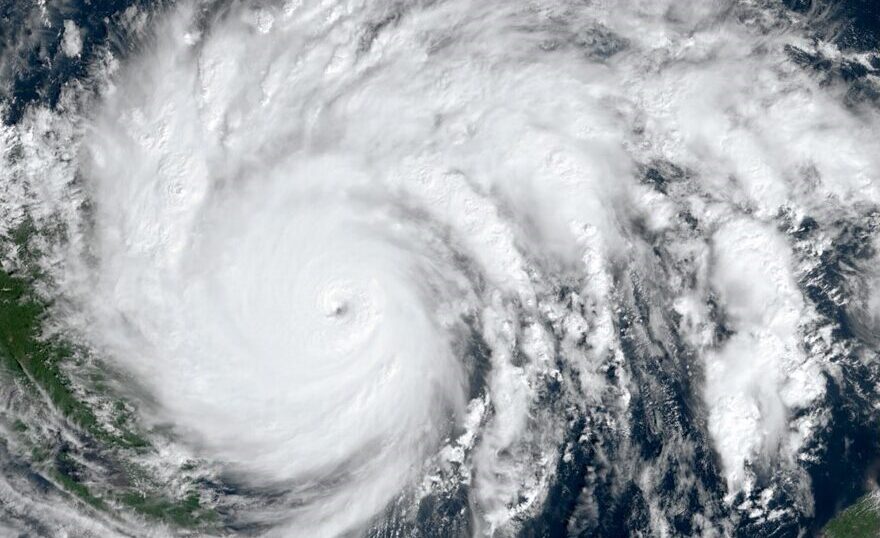

AccuWeather hurricane experts are forecasting the development of the first hurricane of the 2025 Atlantic season later this week, with the system expected to intensify into a major hurricane over the open Atlantic by next weekend.
The tropical rainstorm currently located near the Cabo Verde Islands is projected to strengthen as it moves westward. AccuWeather was the first source to issue a track and intensity forecast for the system on Sunday afternoon.
Heavy rainfall is expected across the Cabo Verde Islands through Monday, with general totals reaching one to two inches and localized amounts up to five inches. Wind gusts between 40 and 50 mph, with isolated gusts up to 60 mph, may lead to power outages and minor flooding in low-lying areas. The storm currently ranks as “less than one” on the AccuWeather RealImpact™ Scale for Hurricanes, indicating limited damage potential.
Senior Meteorologist Chad Merrill explained that favorable atmospheric conditions—including warm ocean waters and low wind shear—support tropical development. He added that the storm is expected to turn north later in the week, likely remaining east of the U.S. East Coast. However, rough surf and rip currents may affect East Coast beaches next weekend into early the following week.
While no direct land impacts are currently expected beyond the Cabo Verde Islands, AccuWeather® advises residents and businesses in the northern Caribbean and Bermuda to monitor forecasts closely.
AccuWeather predicts an “above-average” hurricane season in 2025, with 13 to 18 named storms, including 7 to 10 hurricanes and 3 to 5 major hurricanes reaching Category 3 strength or higher. So far, four named storms have formed, including Tropical Storm Dexter earlier this month. The forecast also includes three to six direct impacts to the U.S., matching the range predicted for the historic 2024 season.
AccuWeather hurricane experts are monitoring two areas of low risk for tropical development in the Atlantic next week. From August 15 to 19, there is a low chance of tropical rain and wind impacts across Cuba, Puerto Rico, the Lesser Antilles, and South Florida. From August 19 to 24, the same system may bring low-risk impacts from northern Florida to Atlantic Canada. Additional low-risk impacts are possible across the eastern and northern Caribbean and South Florida from August 20 to 24.