



– Advertisement –
By Kisean Joseph
[email protected]
Former acting Police Commissioner Rawlston Pompey is facing serious criticism from the country’s top prosecutor over public statements he made regarding the death of 18-year-old Khaleel Simon, who
was allegedly shot by a police officer two weeks ago in the village of Bolans.
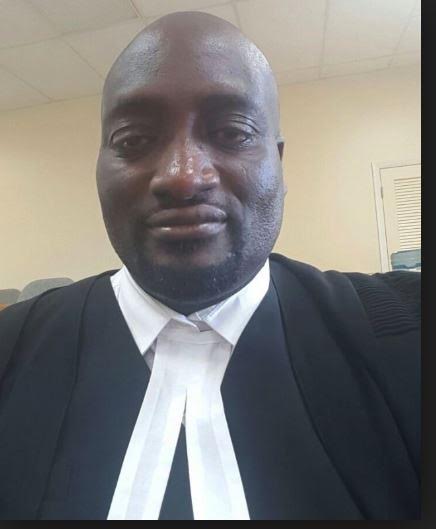
Director of Public Prosecutions Clement Joseph has condemned Pompey’s comments as “highly irresponsible” and warned they could amount to defamation against police officers while potentially prejudicing any future legal proceedings that may occur.
In his public statements, Pompey made several explosive claims about the Simon case, pointing out that the officer allegedly involved in the incident was transferred, along with other claims pertaining to the manner of the teenager’s death.
However, Joseph questioned the veracity of these claims during an exclusive interview with OBSERVER media.
“He’s been revealing information which I’m not privy to, whether they are true or false, verified or unverified,” Joseph said.
The DPP emphasized that such statements constitute defamation under the law, particularly given how Pompey has framed his accusations against police leadership.
Joseph asserted that Pompey’s public pronouncements could have serious legal ramifications – not just for the former acting commissioner but also for media outlets that broadcast his statements without verification.
“The people and the media houses that carry his story are also liable for defamation by printing his stories without having them verified,” Joseph warned.
The prosecutor expressed particular concern about how Pompey’s statements could influence public opinion if criminal charges are eventually filed in the Simon case.
“If a police officer is charged for murder in that case, the number of things that would have been said … he’s guilty because the public would have listened to what Pompey has to say, and it should not be,” Joseph explained.
While Joseph acknowledged that Pompey might have knowledge of certain police operations from his time in leadership, he questioned how the former acting commissioner could know specific details about the Simon case and he is concerned about potential leaks within the police service.
“He’s obviously being briefed by somebody within the police force. Whether they are right or wrong, I do not know,” Joseph said.
The DPP remained tight-lipped when asked about potential legal action against Pompey, saying only that he would “caution him to be cautious as to what he’s going to say or what he’s saying.”
The police command has issued statements confirming that an investigation into Simon’s death is ongoing and Joseph emphasized the importance of allowing this process to proceed without interference.
“The police command has issued a statement. They have said clearly that there is an ongoing investigation. Why don’t we let the ongoing investigation take hold?” he asked.
The DPP also defended the police force’s ability to investigate itself, noting that self-policing occurs “clearly in a lot of countries” around the world.
Beyond his criticism of Pompey, Joseph used the opportunity to call for more responsible journalism, particularly regarding live broadcasts where unverified claims are sometimes aired without proper fact-checking.
He cited examples from other Caribbean nations where media outlets have faced legal consequences for broadcasting defamatory statements during live programming.
“Stay away from these live broadcasts where people make these (allegations) against persons and organizations,” Joseph advised media practitioners.
The controversy surrounding Pompey’s statements has highlighted tensions within law enforcement circles and raised questions about the handling of high-profile cases involving police conduct.
As the investigation into Simon’s death continues, much focus will be on whether legal action follows the differing opinions from the former acting commissioner and the country’s chief prosecutor.
About The Author

– Advertisement –