


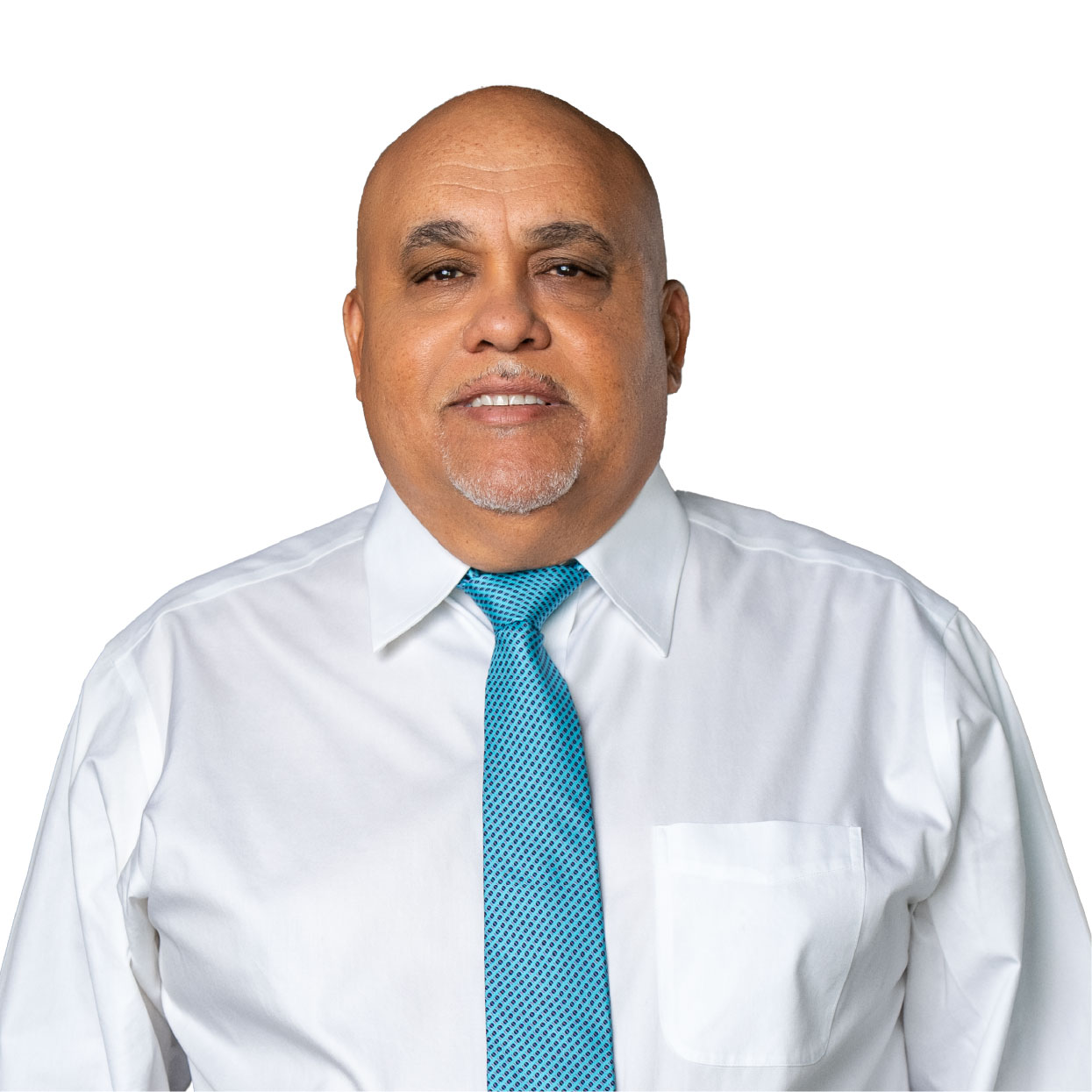
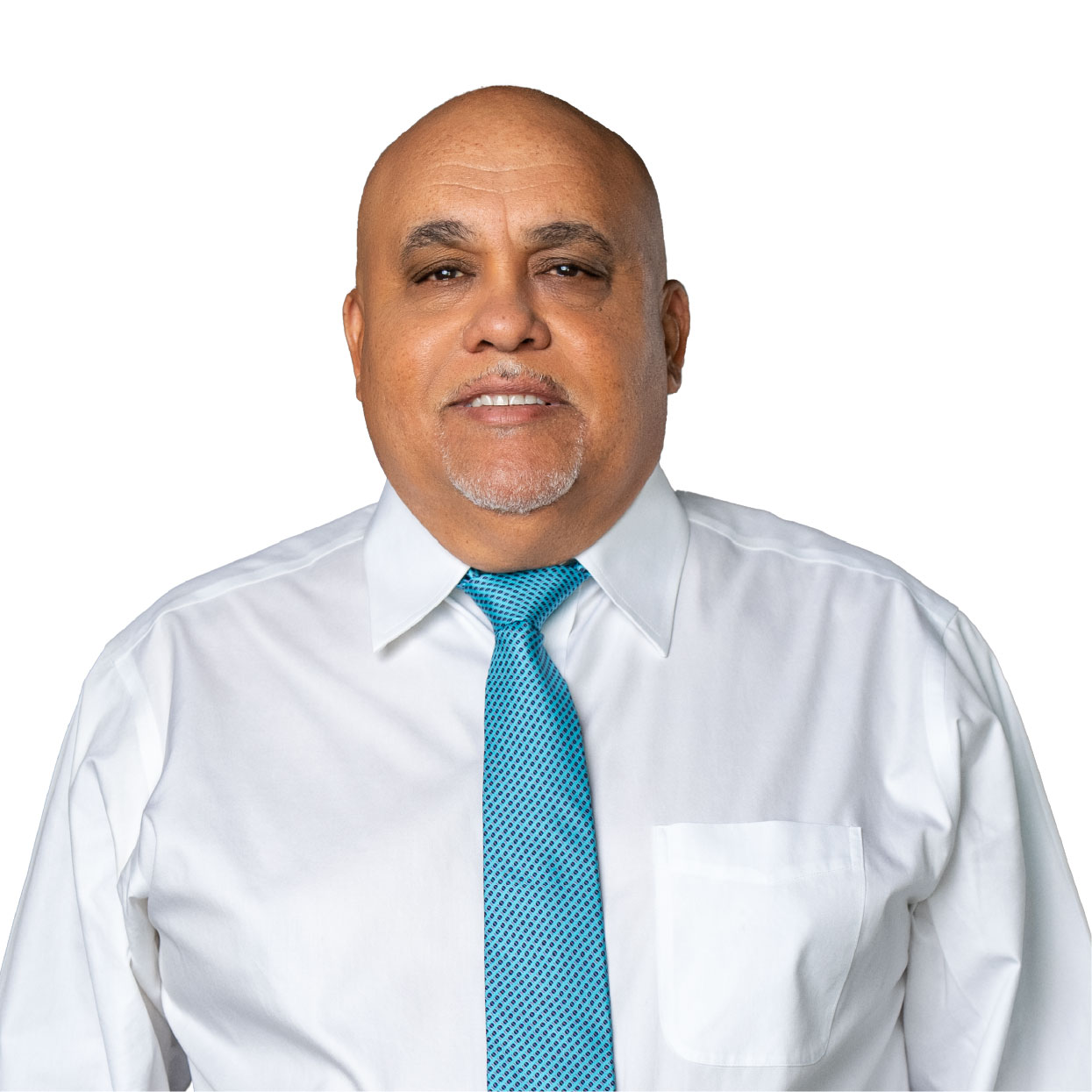
Former Health Services Authority board chair Osbourne Bodden has defended his record at the helm of the under-fire organisation, saying the board acted “with integrity, diligence and full transparency”.
Bodden, who chaired the HSA board from July 2021 to January 2025, issued a lengthy written statement following revelations in Parliament and reporting in the Compass about the frequency of board meetings and the size of payments to members.
The board held 190 meetings and collectively took home almost $500,000 in payments during an 18-month period up to the end of July this year. Speaking in Parliament, MP Chris Saunders described the payments as excessive, saying some board members were paid as much as $10,000 in a single month, comparable with senior doctors.
In the statement, Bodden did not dispute the extent of the meetings or the total sums paid out but said all sessions were “necessary and justified” given the operational challenges the hospital faced. And he characterised the criticism of himself and the board as politically motivated.
“The board met frequently to address pressing operational challenges and worked diligently to steady the ship,” Bodden said. “We acted at all times in the best interests of the Authority and the people of the Cayman Islands.”
Bodden alleges management failings
Bodden turned his criticism toward HSA senior management, accusing executives of persistent failings that required the board’s close involvement.
This is a characterisation that is disputed by senior staff. A whistleblower disclosure from the former deputy CEO of the organisation, filed in 2024, suggests instead that the board interfered with issues unnecessarily and beyond their remit. The individual involved has since resigned from the HSA and asked not to be named in media coverage.
Bodden claims the board had faced “serious human resources management problems”, including flawed dismissal and appeal processes, and had appointed an in-house legal counsel to handle the volume of HR cases.
According to Bodden, the board also issued a formal written notice in 2024 to HSA CEO Lizzette Yearwood over performance concerns and operational inefficiencies.
He said the decision to hire an in-house architect was driven by ongoing project delays and a lack of technical oversight within management. He didn’t mention which projects but the Ministry of Health was, at that time, involved in a long process to build a long term mental health facility in East End.
“The board took difficult decisions to steady the organisation and maintain essential services during a challenging period,” Bodden said.
Again, these claims are understood to be contested by management. The former deputy CEO, who Bodden identifies in his letter as the whistleblower, suggested that, in fact, the board had attempted to interfere with HR processes and to have a say in hiring, promotions and dismissals of staff without following proper process. The Compass has spoken to multiple employees who dispute Bodden’s characterisation of how the hospital is being run.
“It is upsetting and it doesn’t reflect reality but we have to sit back and accept it because we report to the board,” said one individual, speaking on condition of anonymity.
They said the whistleblower’s concerns reflected a wider feeling among staff.
Internal investigation under wraps
The Compass understands an Internal Audit Service report was commissioned following the whistleblower disclosure and we have requested a copy of that report under the Freedom of Information Act. The Compass also understands that a special Public Accounts Committee hearing is being planned for December to explore the matter further.
Bodden suggested in his letter that the concerns outlined about board pay and interference were largely motivated by attempts from management to sidestep accountability. He said these had been seized on by MP Chris Saunders for political reasons. The two men were rivals for the Bodden Town West constituency at the last election. Bodden claimed the whistleblower had verbally acknowledged that ‘his claims were largely unfounded’ but declined to provide a written retraction.
However, the whistleblower denies this. The Compass has seen a copy of his resignation letter from the HSA which reiterated his concerns and indicated that he had refused to retract his criticism of the board.
‘Members took what they were entitled to’
Bodden addressed controversy over the meeting-fee system that has come under fire in Parliament, saying it was introduced under a previous administration and not by his board.
He said members “only took what they were entitled to” for the time and effort they contributed and added that “for the most part, extra meetings were never compensated”.
While defending the payments, Bodden said he supports the new government’s plan to replace the meeting-fee model with a fixed annual stipend for all board members.
“I welcome the move to a flat-fee structure,” he said, “as it will remove any appearance of impropriety and bring greater clarity to future remuneration.”
Information regarding board payments and meetings, released to the Compass under the Freedom of Information Act, revealed that the HSA board held 126 meetings in 2024 and a further 64 meetings through the end of June this year. In that same 18-month span, members received a total of $490,850 in compensation, based on the pay-per-meeting schedule.
Under the stipend scale for board members, the chair receives $750 per meeting, the deputy chair $600 and members $500. Opposition MP Chris Saunders had raised concerns about HSA board payments at a parliamentary Finance Committee meeting in June, when he noted that the total annual payments to board members had increased from just under $19,000 in 2016 to more than $250,000 in 2023.
Speaking to the Compass for our original story Saunders said, “The money being spent on board meetings could fund multiple critical care nurses. We should not be seeing hundreds of thousands of dollars going on meetings while the hospital struggles for resources.”
‘Nose in, fingers out’
Bodden said all board decisions were properly recorded and minuted in accordance with the HSA Act and the Public Authorities Act. He claimed that those records would “show the diligence and transparency” of the board’s work.
The Compass submitted a freedom of information request for the minutes to HSA board meetings in June but as of now has not received any minutes. An internal appeal has been requested with regard to the non-disclosure.
Bodden also rejected allegations that the board interfered in day-to-day management, saying members followed the “nose in, fingers out” principle of good governance and completed all required civil service training.
However, the whistleblower letter suggests the opposite was true and that the board frequently intervened on operational issues that were beyond their remit. One employee previously told the Compass that management spent so much time preparing for and attending board meetings it made the day-to-day work of running the hospital and health services even more challenging.
Bodden described the criticisms levelled at board members as unfounded, saying they were “highly skilled dedicated professionals“ who worked round the clock.
He said the HSA board had one of the most “demanding mandates” of any public authority. He highlighted a list of accomplishments during his tenure including Joint Commission International accreditation and the modernisation of the hospital.
“I am immensely proud of the progress achieved in strengthening public healthcare during my term as chairman. I stand firmly by the record of the board and its members, and I wish the current HSA board and management every success as they continue to build upon the solid foundation we established.”
Changes planned to board payments
Premier André Ebanks announced last week that there would be “immediate governance reforms to strengthen oversight” of the HSA board and management.
Those changes include introducing a flat fee for board members, rather than the current arrangement whereby the members are paid per meeting. Ebanks, speaking at Premier’s Question Time in Parliament on Wednesday, 15 Oct., said this was being put in place “to discourage excessive payments and unnecessary meetings”.
Board members will also be required to undergo training in public-sector governance, financial stewardship and health care ethics, as well as annual performance evaluations.