


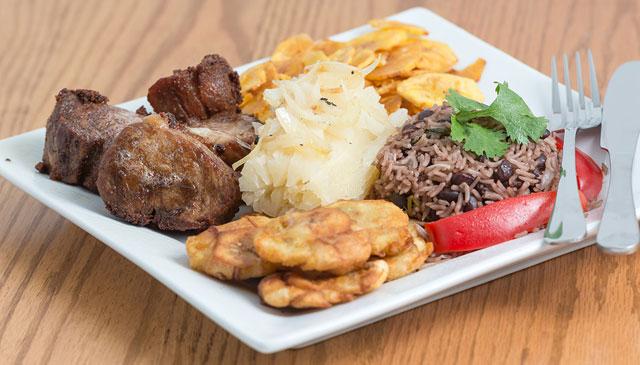
Welcome to our culinary exploration of “.” The vibrant and diverse cuisine of the Caribbean is renowned for its rich flavors and cultural heritage, drawing influences from Africa, Europe, Asia, and beyond. In recent years, we have seen an exciting evolution in how these traditional dishes are interpreted and presented. This article delves into the innovative ways chefs and home cooks are blending classic Caribbean recipes with contemporary cooking techniques and global flavour trends. Whether it’s a spicy jerk taco or coconut-infused quinoa salad, the fusion of old and new is creating an exciting landscape of taste. Join us as we uncover the unique ingredients, cooking styles, and influences that are shaping the future of Caribbean cuisine.
Table of Contents
- Exploring the Roots of Caribbean Cuisine and Its Global Influences
- Innovative Ingredients: How Modern Trends are Shaping Traditional Dishes
- Fusion Techniques: Blending Flavors and Cooking Methods for Exciting Results
- Sustainable Practices in Caribbean Fusion: Eating with a Conscience
- Concluding Remarks
Exploring the Roots of Caribbean Cuisine and Its Global Influences
Caribbean cuisine is a vibrant tapestry woven from the region’s diverse cultures and traditions, reflecting the influences of indigenous peoples, European settlers, African slaves, and Asian immigrants. The result is a palette of flavors and cooking techniques that have evolved over centuries. Traditional staples such as rice and peas, jerk chicken, and fresh seafood encapsulate the region’s love for spices and bold seasoning. Some notable ingredients include:
- Scotch Bonnet Peppers: Known for their fiery heat, these peppers are a hallmark of Caribbean cooking.
- Coconut: Used in various forms from milk to oil, coconut adds richness to many dishes.
- Plantains: A versatile ingredient, often fried, boiled, or baked, highlighting the region’s agricultural bounty.
As Caribbean chefs and home cooks embrace modern culinary trends, they creatively blend age-old recipes with contemporary cooking styles. This fusion has given rise to an innovative culinary scene where traditional dishes are reimagined. For example, tropical fruits like mango and pineapple are now frequently incorporated into gourmet salads and salsas, while techniques such as sous-vide are being used for classic stews. The interplay of flavors has also inspired a resurgence in the use of locally sourced ingredients, leading to farm-to-table restaurants that celebrate Caribbean heritage. Here’s a quick comparison of traditional and modern Caribbean dishes:
| Traditional Dish | Modern Take |
|---|---|
| Jerk Chicken | Jerk Chicken Tacos with Pineapple Salsa |
| Callaloo | Callaloo Soup with Coconut Cream |
| Fried Plantains | Plantain Nachos with Avocado Sauce |
Innovative Ingredients: How Modern Trends are Shaping Traditional Dishes
In the vibrant world of Caribbean cuisine, the intersection of traditional methods and innovative ingredients is reshaping how we experience beloved dishes. Chefs are drawing from an ever-expanding pantry filled with modern staples like quinoa, jackfruit, and various superfoods, which offer exciting textures and flavors that complement classic recipes. The result is a delectable blend of cultures and histories, reflected through the lens of contemporary culinary trends. For instance, you may find a classic callaloo dish enriched with turmeric or a traditional jerk spice mix enhanced by the zest of lime-infused olive oil, showcasing a harmonious balance between new innovations and time-honored practices.
Moreover, the rise of plant-based diets is prompting many Caribbean chefs to reinvent traditional favorites. Dishes that once relied heavily on meat are now incorporating vibrant, locally-sourced vegetables and innovative substitutes. For example, a hearty stew that traditionally featured beef might now star smoky tempeh instead, flavored with the rich spices characteristic of the region. This trend not only caters to the evolving dietary preferences but also emphasizes sustainability and health-conscious eating, allowing restaurants to serve dishes that pay homage to their roots while embracing forward-thinking practices.
| Traditional Dish | Modern Twist |
|---|---|
| Aki and Saltfish | Quinoa and Aki Bowl |
| Oxtail Stew | Jackfruit Oxtail Substitute |
| Fish Escovitch | Vegan Escovitch with Cauliflower |
Fusion Techniques: Blending Flavors and Cooking Methods for Exciting Results
Fusion cuisine is a thrilling culinary journey that pushes the boundaries of traditional cooking, and when Caribbean flavors are paired with modern trends, the result is nothing short of spectacular. Imagine a classic jerk chicken dish infused with the subtle essence of Thai lemongrass, or a refreshing mango salsa complemented by a zesty Mediterranean lemon vinaigrette. These innovative combinations elevate the vibrancy of Caribbean staples, allowing them to shine in new lights. The melding of spices, herbs, and cooking methods fosters a unique dining experience that caters to adventurous palates while respecting the roots of the cuisine.
Incorporating contemporary techniques and influences can also enhance the presentation and flavour profiles of Caribbean dishes. Consider these captivating examples of fusion elements that can elevate your culinary repertoire:
- Sushi Burritos: Combining sushi techniques with Caribbean ingredients such as grilled shrimp and spicy plantains.
- Cauliflower Rice: A health-conscious twist on the traditional rice and peas, using riced cauliflower infused with coconut milk and spices.
- Coconut Curry Tacos: Corn tortillas filled with slow-cooked coconut curry chicken and topped with a tangy pineapple salsa.
As flavors converge, it’s essential to balance the complexity and simplicity of each ingredient. A harmonious blend can turn a conventional recipe on its head while retaining its cultural essence. The table below showcases some traditional Caribbean components paired with modern culinary trends, illustrating just how versatile this fusion can be:
| Traditional Ingredient | Modern Trend | Fusion Recipe Example |
|---|---|---|
| Plantains | Air frying | Air-Fried Plantain Chips with Guacamole |
| Roti | Wraps | Curried Lentil Wraps |
| Black Beans | Bowls | Black Bean Quinoa Bowl with Avocado |
Sustainable Practices in Caribbean Fusion: Eating with a Conscience
Embracing sustainable practices in Caribbean fusion cuisine allows chefs and home cooks alike to celebrate the rich tapestry of flavors while promoting environmental stewardship. By prioritizing locally sourced ingredients, culinary enthusiasts can reduce their carbon footprint and support regional farmers. Many traditional Caribbean staples, such as plantains, yams, and beans, thrive in the tropical climate, making them ideal choices that minimize transportation impacts. Additionally, integrating seasonal harvesting ensures that the freshest produce is used, enhancing both flavour and nutrition. It also encourages the use of less common, indigenous crops, helping to preserve cultural heritage and biodiversity.
Incorporating sustainable cooking methods further elevates the Caribbean dining experience. Techniques such as grilling, steaming, and slow cooking not only preserve the nutrients of ingredients but also reduce energy consumption. Moreover, utilizing by-products from meal preparations can create new dishes and minimize waste. For example, vegetable scraps can be transformed into flavorful stocks or compost, contributing to a closed-loop food system. By opting for ethically sourced seafood, such as fish from well-regulated fisheries, diners can indulge in delicious meals without compromising ocean health. These mindful choices reflect a growing commitment to eating with a conscience, making every meal a celebration of flavour and responsibility.
Concluding Remarks
As we conclude our exploration into the vibrant world of fusion flavors in Caribbean cuisine, it’s clear that the magic happens when tradition dances with innovation. The rich, storied heritage of Caribbean foods offers a treasure trove of ingredients and techniques, all ripe for reinterpretation in today’s culinary landscape. Chefs and home cooks alike are proving that by embracing modern trends, we can create dishes that honour the past while appealing to contemporary palates.
Whether it’s the infusion of global spices, the embrace of plant-based ingredients, or the playful experimentation with textures and presentations, the fusion of traditional Caribbean flavors with modern twists invites endless creativity. As you venture into your own kitchen, consider how you might blend classic recipes with new ideas, bringing your own unique touch to these beloved dishes.
So, why not take the plunge? Experiment with your favorite Caribbean staples and see how they meld with the flavors of the world around you. After all, food is not just about sustenance—it’s about connection, exploration, and, most importantly, joy. Happy cooking!