


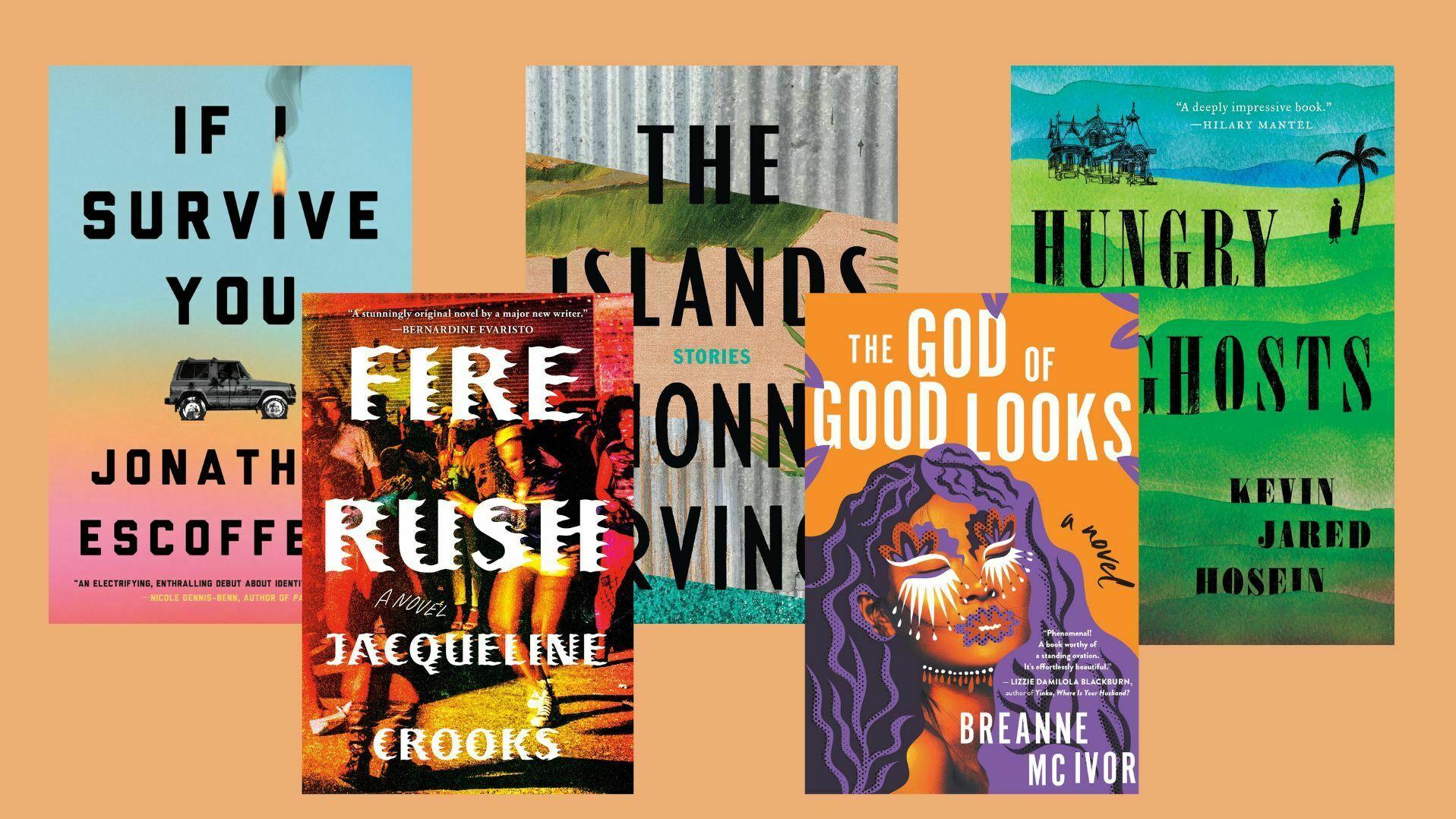
In recent years, Caribbean literature has begun to capture the global spotlight, as authors, scholars, and cultural advocates unite to elevate the region’s rich narrative traditions and diverse voices. From the vibrant tales of folklore to contemporary narratives that challenge social norms, the stories emerging from the Caribbean reflect a complex blend of history, culture, and identity. Driven by an increasing recognition of the importance of literary representation, various initiatives—ranging from international festivals to literary prizes and collaborative projects—are aiming to amplify Caribbean voices on the world stage. This article explores the multifaceted global efforts that are not only fostering a deeper appreciation for Caribbean literature but also empowering a new generation of storytellers to share their unique experiences and perspectives. As these initiatives gain momentum, they are reshaping the literary landscape and inviting audiences worldwide to engage with the rich tapestry of Caribbean storytelling.
Table of Contents
- Global Initiatives Promoting Caribbean Literary Voices
- The Role of Educational Institutions in Fostering Caribbean Narratives
- Harnessing Digital Platforms for Wider Reach and Engagement
- Collaboration Between Authors and Global Literary Organizations
- Concluding Remarks
Global Initiatives Promoting Caribbean Literary Voices
In recent years, various global organizations and literary festivals have made concerted efforts to spotlight Caribbean literary voices, recognizing the rich tapestry of culture, history, and storytelling that defines the region. Initiatives such as the Caribbean Writers’ Festival and the Commonwealth Writers’ Programme seek to connect Caribbean authors with a broader international audience. These platforms not only provide visibility but also foster collaboration among writers, helping to cultivate new narratives that resonate globally.
Moreover, digital platforms have emerged as powerful tools to amplify Caribbean literature. Initiatives like the Global Caribbean Initiative aim to aggregate literary works and voices from the Caribbean diaspora, celebrating the diversity and complexity of these narratives. Through virtual book clubs, online workshops, and social media campaigns, readers around the world are invited to engage with Caribbean literature, thus promoting a deeper understanding of its significance. Key features of these initiatives include:
- Cross-cultural literary exchanges: Facilitating dialogues between Caribbean writers and their counterparts worldwide.
- Literature grants and fellowships: Supporting emerging authors in their writing journeys.
- Translation projects: Making Caribbean literature accessible to non-English-speaking audiences.
The Role of Educational Institutions in Fostering Caribbean Narratives
The contribution of educational institutions in the Caribbean extends far beyond the walls of classrooms; they serve as pivotal platforms for nurturing and expanding Caribbean narratives. By incorporating local literature into the curriculum, institutions not only validate the voices of Caribbean authors but also instill pride in students about their cultural heritage. Workshops, literary festivals, and partnerships with local writers offer students a chance to engage with the rich tapestry of Caribbean storytelling firsthand, fostering a sense of identity and belonging. These activities not only stimulate creativity but also encourage students to become active participants in shaping their narratives, which is essential in considering the historical context and diverse cultures of the Caribbean.
Moreover, educational institutions can drive community outreach programs that involve parents and local communities in the storytelling process. Such initiatives promote intergenerational dialog, allowing Elders to share stories that might otherwise remain unspoken. By facilitating these conversations, schools create a collaborative environment that honors diverse perspectives and ancestral knowledge. The development of curriculum that centers on Caribbean authors and traditional storytelling techniques is vital in this regard, as it lays a foundation for future generations to explore their cultural heritage while also contributing to the global literary landscape. The table below highlights some key Caribbean authors and their contributions, underscoring the importance of integrating local narratives into educational frameworks.
| Author | Notable Work | Contribution |
|---|---|---|
| Jamaica Kincaid | “Annie John” | Explores themes of identity and colonialism. |
| Derek Walcott | “Omeros” | Reimagines the epic tradition in a Caribbean context. |
| CÉsar Vallejo | “Los Heraldos Negros” | Addresses socio-political issues through poetry. |
Harnessing Digital Platforms for Wider Reach and Engagement
In today’s interconnected world, digital platforms serve as crucial facilitators for the dissemination and promotion of Caribbean literature and storytelling. By leveraging social media, blogs, and online forums, authors and literary organizations can engage with a global audience, transcending geographical boundaries. This digital shift not only broadens the reach of Caribbean narratives but also fosters a vibrant community of readers and writers who exchange ideas and collaborate across cultures. Key strategies include:
- Utilizing Social Media: Platforms like Instagram and Twitter allow authors to share snippets of their work, interact with fans, and promote literary events.
- Online Workshops and Webinars: Virtual events enable Caribbean writers to hone their craft, share experiences, and gain insights from industry leaders.
- Virtual Book Fairs: Showcasing Caribbean literature in digital settings expands opportunities for sales and visibility.
Furthermore, collaborations with influential digital influencers and literary enthusiasts can amplify the reach of Caribbean voices. Organizations can create dedicated hashtags or campaigns that celebrate Caribbean storytelling, inviting readers to participate and share their favorites. The impact of these efforts can be measured through analytics tools, illustrating engagement levels and fostering conversations surrounding Caribbean culture. Consider the following metrics to assess digital outreach efforts:
| Metric | Importance |
|---|---|
| Engagement Rate | Measures audience interaction with content, indicating resonance of stories. |
| Reach | Determines how many users have viewed the content, showcasing visibility. |
| Follower Growth | Tracks increase in audience size, reflecting the effectiveness of outreach strategies. |
Collaboration Between Authors and Global Literary Organizations
In recent years, the synergy between authors from the Caribbean and global literary organizations has been pivotal in enhancing the visibility of regional narratives. These collaborations aim not only to promote individual works but also to highlight the rich tapestry of Caribbean culture through storytelling. Through various initiatives, such as workshops, literary festivals, and publishing grants, both parties seek to cultivate an environment where Caribbean voices can resonate on a global scale. Some key collaborative efforts include:
- Literary Festivals: International events that showcase Caribbean authors alongside global literary figures.
- Translation Projects: Efforts to translate Caribbean literature into multiple languages, expanding access and readership.
- Research Grants: Funding from global organizations specifically earmarked for Caribbean literary research.
Furthermore, these collaborations often result in partnerships that facilitate mentorship programs, which are instrumental in nurturing emerging talent within the Caribbean. For instance, established authors provide guidance through virtual workshops, enriching the literary landscape. The table below illustrates some notable global organizations actively engaging with Caribbean literature:
| Organization | Initiatives | Focus Areas |
|---|---|---|
| Caribbean Writers Forum | Workshops, Competitions | Poetry, Fiction |
| PEN International | Advocacy, Translation | Freedom of Expression |
| CIFAL Caribbean | Literary Festivals | Cultural Exchange |
These endeavors not only amplify the voices of Caribbean authors but also foster a global appreciation for the unique stories that emerge from the region, creating avenues for dialog and cultural exchange.
Concluding Remarks
the revitalization of Caribbean literature and storytelling is not just a cultural endeavor; it is a global imperative that emphasizes the importance of diverse narratives in our increasingly interconnected world. As international organizations, local governments, and literary advocates come together to elevate these voices, the Caribbean’s rich tapestry of stories is gaining the recognition it rightfully deserves. Through initiatives that promote creative exchange, foster education, and support emerging writers, the global community is taking significant strides toward ensuring that Caribbean literature continues to thrive and resonate beyond its borders.
As we reflect on these collaborative efforts, it is clear that the journey is just beginning. By celebrating the unique perspectives and experiences inherent in Caribbean storytelling, we can foster a greater understanding and appreciation for the vibrant cultures that shape this region. Ultimately, sustaining this momentum will require ongoing support and engagement from all sectors—an investment in the arts that enriches both the Caribbean and the world at large. As we look ahead, let us champion these narratives, ensuring they find a place in the global literary canon and inspire future generations of storytellers.