


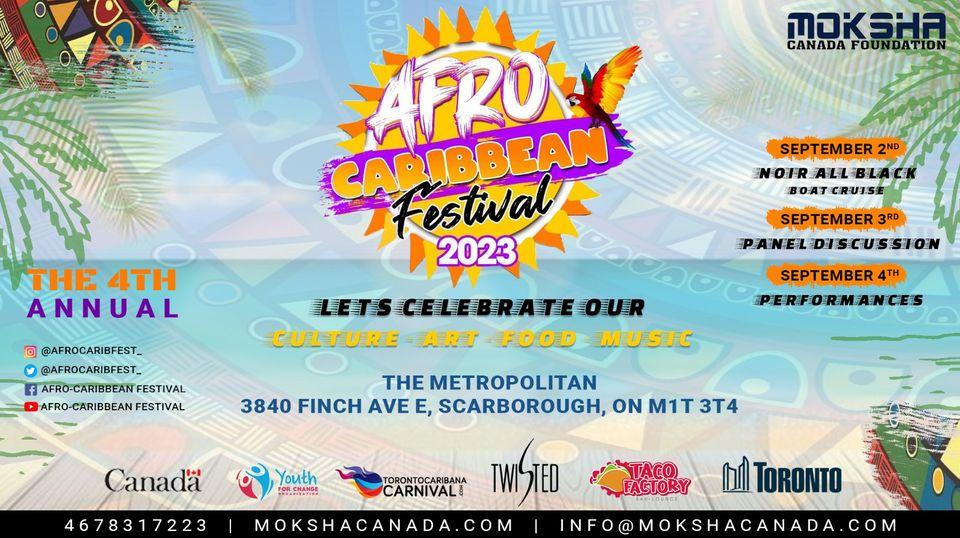
As the world becomes increasingly interconnected, the rich tapestry of Caribbean culture continues to weave its way into the global landscape, bolstered by the vibrant energies of diaspora communities. From Toronto to London, and New York to Amsterdam, Caribbean diaspora festivals have emerged as powerful cultural showcases that celebrate the heritage, artistry, and communal spirit of the Caribbean people. These events not only highlight traditional music, dance, and cuisine but also serve as vital platforms for fostering unity, promoting cultural pride, and bridging generational gaps within diaspora populations. In this article, we explore the significance of these festivals, their role in preserving Caribbean identity, and how they contribute to the cultural fabric of host nations, while offering a spotlight on some of the most notable celebrations around the globe.
Table of Contents
- Exploring the Rich Heritage of Caribbean Diaspora Festivals
- The Role of Music and Dance in Celebrating Caribbean Culture
- Community Engagement and Economic Impact of Diaspora Events
- Strategies for Enhancing Participation and Visibility of Caribbean Festivals
- In Retrospect
Exploring the Rich Heritage of Caribbean Diaspora Festivals
The vibrant tapestry of Caribbean culture is beautifully woven through its diaspora festivals, which serve as pulsating celebrations of heritage, identity, and unity. These events not only bring together individuals from various backgrounds but also create a platform where cultural expressions can flourish. Among the most prominent festivals are:
- Notting Hill Carnival in London – A spectacular showcase of Caribbean music, dance, and culinary delights.
- Caribana in Toronto – Celebrated with colorful parades and lively music, it marks the cultural significance of the Caribbean community in Canada.
- HopScotch Festival in New York City – Emphasizes both traditional and contemporary Caribbean art forms, encouraging intercultural dialogues.
Each festival offers a unique glimpse into the diverse aspects of Caribbean heritage, encapsulating everything from traditional folklore to modern artistic expressions. Attendees can experience a rich array of activities, including:
- Calypso and Soca Competitions – Celebrating the vibrant music styles that originated from the region.
- Culinary Showcases – Featuring tantalizing dishes like jerk chicken, roti, and callaloo.
- Art Installations – Highlighting the work of Caribbean artists, providing insight into their narratives and cultural significance.
To further illustrate the impact of these celebrations, consider the table below showcasing some key festivals and their unique characteristics:
| Festival | Location | Main Attraction |
|---|---|---|
| Notting Hill Carnival | London, UK | Music and Dance Parade |
| Caribana | Toronto, Canada | Colorful Costume Parade |
| HopScotch Festival | New York City, USA | Art Exhibitions |
The Role of Music and Dance in Celebrating Caribbean Culture
In the heart of Caribbean culture lies a vibrant tapestry woven from the rhythmic beats of music and the dynamic expressions of dance. These art forms serve as a powerful conduit for storytelling, encapsulating the rich history and cultural heritage of the islands. Festivals such as Crop Over in Barbados and the Trinidad Carnival showcase an exhilarating fusion of traditional and contemporary influences, where the sounds of calypso, reggae, and soca resonate through the streets. Participants not only celebrate their roots but also foster unity and shared identity within the diverse Caribbean diaspora, reinforcing the significance of cultural preservation amidst global influences.
Dance is equally pivotal, offering a visual representation of the Caribbean spirit. Traditional dance forms like Bélé and Limbo represent unique historical narratives and social commentary, often addressing themes of resilience and adaptation. These performances are not merely entertainment; they are a means through which communities connect with their ancestry and express collective joy. Festivals around the world serve as platforms for these cultural expressions, enabling the Caribbean diaspora to engage with their heritage while inviting global audiences to partake in their extraordinary vibrance, fostering a deeper understanding and appreciation of Caribbean identity.
Community Engagement and Economic Impact of Diaspora Events
Caribbean diaspora events have emerged as vibrant conduits for community engagement, fostering connections among Caribbean peoples scattered across the globe. These festivals not only celebrate rich cultural traditions and heritage but also create a sense of belonging. By harnessing the passion and creativity of diaspora communities, these events result in volunteer opportunities, mentorship programs, and workshops that empower individuals and promote social cohesion. The multifaceted nature of these gatherings encourages participants to celebrate their roots while actively contributing to the communal fabric of their host cities.
The economic impact of these diaspora events cannot be overstated, as they often serve as significant drivers of local economies. A recent analysis of major Caribbean festivals reveals the following benefits:
| Benefit | Impact |
|---|---|
| Job Creation | Support for local businesses and event staff, contributing to employment opportunities. |
| Tourism Boost | Attracting international attendees, enhancing local tourism revenues through hotel stays and excursions. |
| Cultural Exchange | Fostering cross-cultural understanding, leading to greater community solidarity and international collaboration. |
Moreover, the ripple effect of these festivals extends to various sectors, from hospitality and food service to arts and entertainment, creating a thriving ecosystem around cultural expression. By prioritizing sustainability and inclusivity, these diaspora events not only enhance cultural vibrance but also shape resilient communities capable of weathering economic challenges.
Strategies for Enhancing Participation and Visibility of Caribbean Festivals
To cultivate deeper connections with the broader community and elevate the visibility of Caribbean festivals, it is crucial to implement multifaceted strategies that resonate with a wider audience. Utilizing social media campaigns can engage both locals and the diaspora, creating a buzz prior to festival dates. Additionally, partnerships with influential bloggers, vloggers, and cultural ambassadors from the Caribbean can amplify outreach efforts. Engaging in collaborations with non-Caribbean cultural organizations can also provide platforms for cross-promotional opportunities, thereby broadening the scope and reach of festivals.
Moreover, enhancing participatory elements within festivals can create more immersive experiences for attendees. This can be achieved by integrating interactive workshops, community outreach programs, and live demonstrations of traditional crafts and culinary practices. Furthermore, establishing scholarship programs for emerging Caribbean artists can ensure that local talents are showcased prominently. Here is a simple table highlighting potential interactive activities:
| Activity | Description | Benefits |
|---|---|---|
| Cook-Off Competitions | Local chefs showcase traditional dishes. | Engagement and culinary education. |
| Traditional Dance Workshops | Community members learn Caribbean dances. | Promotes cultural appreciation. |
| Artisan Markets | Selling spaces for local craftspeople. | Support for local economy and artisans. |
In Retrospect
As we reflect on the rich tapestry woven by the Caribbean diaspora through its vibrant festivals and cultural expressions, it becomes evident that these events are more than mere celebrations; they are vital intersections of heritage, identity, and community. From the pulsating rhythms of calypso and reggae to the colorful parades and culinary delights, Caribbean diaspora festivals serve as a powerful reminder of the resilience and creativity of the region’s people, transcending geographical boundaries to foster a sense of belonging and unity.
As we move forward, it is crucial for both regional and international communities to support and recognize the importance of these cultural gatherings. They not only honor the past but also invigorate the future, inspiring generations to take pride in their heritage while sharing its beauty with the world. With each festival, we reinforce the notion that culture is a living, evolving entity, one that thrives on the contributions of the diaspora and continues to shape the global narrative.
In the spirit of collaboration and celebration, we invite readers to engage with the Caribbean diaspora, participate in local events, and delve into the rich cultural offerings that these festivals present. By doing so, we cultivate a deeper understanding of the Caribbean’s diverse heritage and its ongoing influence on the global stage. The future of our shared cultural landscape depends not only on remembrance but on active participation and appreciation. Let us keep the spirit of the Caribbean alive and vibrant, one festival at a time.