


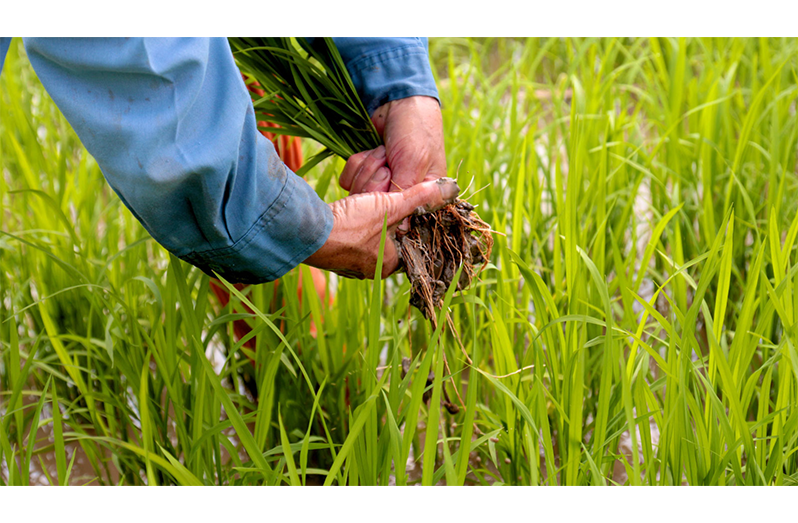
THE government of Guyana in 2026 will explore new markets with Mexico and Europe to
export rice.
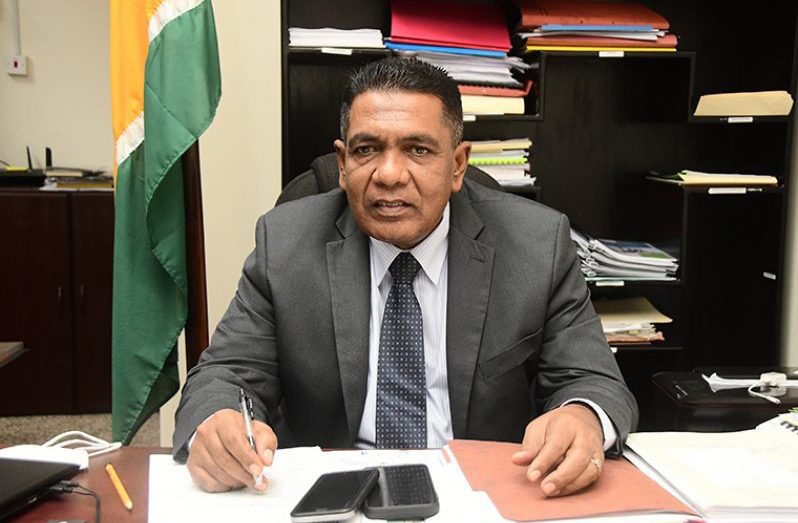
According to Agriculture Minister Zulfikar Mustapha, this measure, outlined in the 2026
national budget will see farmers having access to expansive markets.
“In 2025 we exported rice and [its] by-product to over 30 countries and we will continue
in the new year to work to increase that so that we can have more lucrative
markets for the rice industry,” Mustapha said on Tuesday, during a post-budget
discussion.
In this year’s fiscal package, the government said it will invest in seed-processing facilities; establish rice-producing clusters; promote domestic fertiliser production; increase storage
capacity through climate-controlled silos; work diligently to secure lucrative markets for paddy and rice and develop and market value-added rice-based products.
To this end, an amount of $1 billion is budgeted to commence construction of silos.
“With this allocation, GRDB [Guyana Rice Development Board] will continue to invest in
Seed-processing facilities, establish rice-producing clusters and develop and market value-added rice-based products,” the minister said, adding: “This here is very important, because we have seen this success story in the rice industry. We have seen farmers. We have seen increased cultivation of rice lands. We have seen higher yields. As a matter of fact, we have seen yields up to 6.6 tonnes per hectare, and we will continue to promote high-yielding varieties.”
In the last five years the government has introduced five new rice varieties, among them were
the GRDB 16, GRDB 18, and the zinc-infused bio-fortified rice, all high-yielding varieties that promote nutritional health.
In 2026, work to strengthen production through improved tillage, and the use of nano fertiliser and certified seeds will commence. In addition, we will work to commercialise bio-fortified rice, introduce a new
variety of aromatic rice and expand value-added production.
Senior Minister within the Office of the President with Responsibility for Finance, Dr. Ashni
Singh, during Monday’s presentation of this year’s fiscal package to the
National Assembly in 2025, not including fertiliser and paddy subsidies, government
spent $430.9 billion to support development of the rice industry.
This year the government will expend some $430 million to support the sector.
The finance minister also reported that despite softer global rice prices, milling bottlenecks, and
cash-flow challenges, the rice sub-sector delivered another year of strong output.
The rice-growing sector is estimated to have expanded by 15.7 percent in 2025, with the GRDB
reporting a rice-production level of 810,299 tonnes.
This year the rice sector is expected to grow by 1.8 percent, with a production target of 827,500
tonnes.
Data from GRDB shows that 410,194 tonnes of rice equivalent was produced between January and June 2025, up from 362,030 tonnes for the same period last year. Officials have attributed the increase largely to favourable weather conditions and consistent yields, with the first crop of 2025 achieving an average of 6.6 tonnes per hectare, the same as in 2024.
The country’s production has seen a steady increase over the past four years. In 2020, the
first crop averaged at 5.7 tonnes, and by 2024, it had increased to 6.6 tonnes.
per hectare.
This incremental increase in rice production has been ongoing since 2021, when production was
559,789 tonnes. In 2022, it increased to 610,595 tonnes and 653,706 tonnes in 2023.