


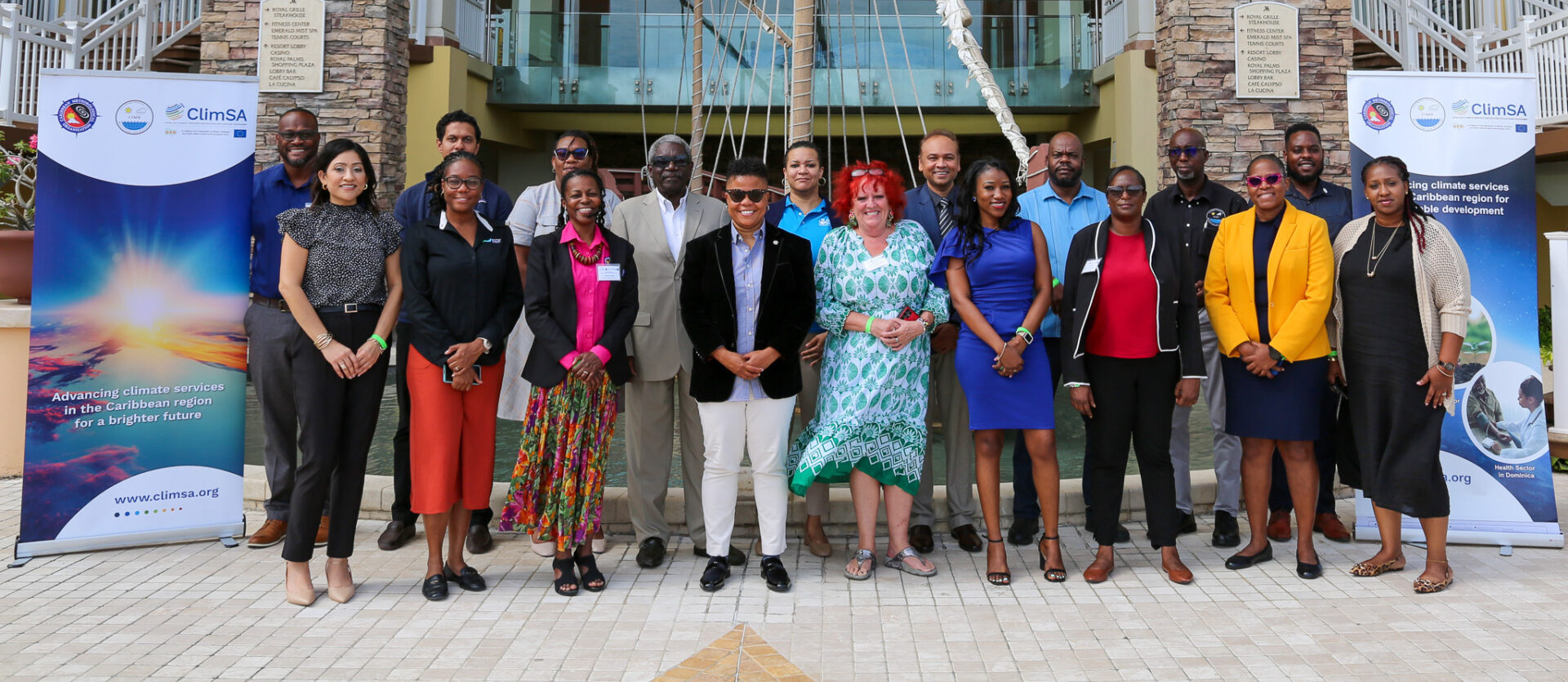

Dr. Roxanne Graham-Victor, the Regional Coordinator for the Global Water Partnership–Caribbean (GWP-C), participated as an observer in the 2025–2026 Dry Season Caribbean Climate Outlook Forum (CariCOF) and the 13th Meeting of the Consortium of Regional Sectoral Early Warning Information Systems Across Climate Timescales (EWISACTs), held from November 23 to 26 in Basseterre, St. Kitts and Nevis.
The initial two days of the event concentrated on enhancing early warning mechanisms and promoting coordinated climate services across vital sectors, said a release from GWP-C. Although GWP-C is not an official member of the EWISACTs Consortium, its role as an observer underscores its ongoing dedication to fostering integrated, climate-aware water management and development strategies throughout the Caribbean region.
The 13th EWISACTs gathering represented a noteworthy milestone—ten years of regional cooperation aimed at strengthening climate resilience. The main aims of the meeting included:
• Assessing the progress and hurdles encountered in executing the Regional Plan of Action (June–November 2025);
• Reviewing accomplishments achieved during Performance Period 2 (2023–2025) and strategizing for Performance Period 3 (2026–2028);
• Analyzing how the Intra-ACP ClimSA Programme can bolster planned activities for 2025–2026.
Supported by the Intra-ACP ClimSA Programme, financed by the European Union and directed towards Barbados, the Eastern Caribbean States, the Organisation of Eastern Caribbean States (OECS), CARICOM, and CARIFORUM, the EWISACTs Consortium continues to promote climate-informed decision-making in critical sectors such as agriculture, water, health, and disaster risk reduction.
As per the release, during the four-day forum, attendees received updates on regional initiatives aimed at bolstering early warning systems and climate services. Progress was showcased in areas such as climate and sectoral data management, the quality of climate information, the strengthening of climate service systems, user engagement, and capacity development. These advancements highlight the Caribbean’s persistent commitment to cultivating a more resilient climate future.
Participants also examined improvements to the Caribbean Climate Impacts Database (CCID), including demonstrations illustrating how the platform documents climate-related events like floods, droughts, heatwaves, and storms. This database is vital for evidence-based planning and regional climate risk assessments.
Commenting on the forum, the write-up said that Dr. Graham-Victor described the gathering as both technically insightful and strategically meaningful. She reportedly emphasized that the event offered valuable opportunities for networking and identifying potential collaborative partnerships with regional stakeholders involved in climate, disaster risk management, and development efforts. GWP-C said that her remarks reinforce its dedication to integrated, climate-resilient development approaches across the Caribbean.