


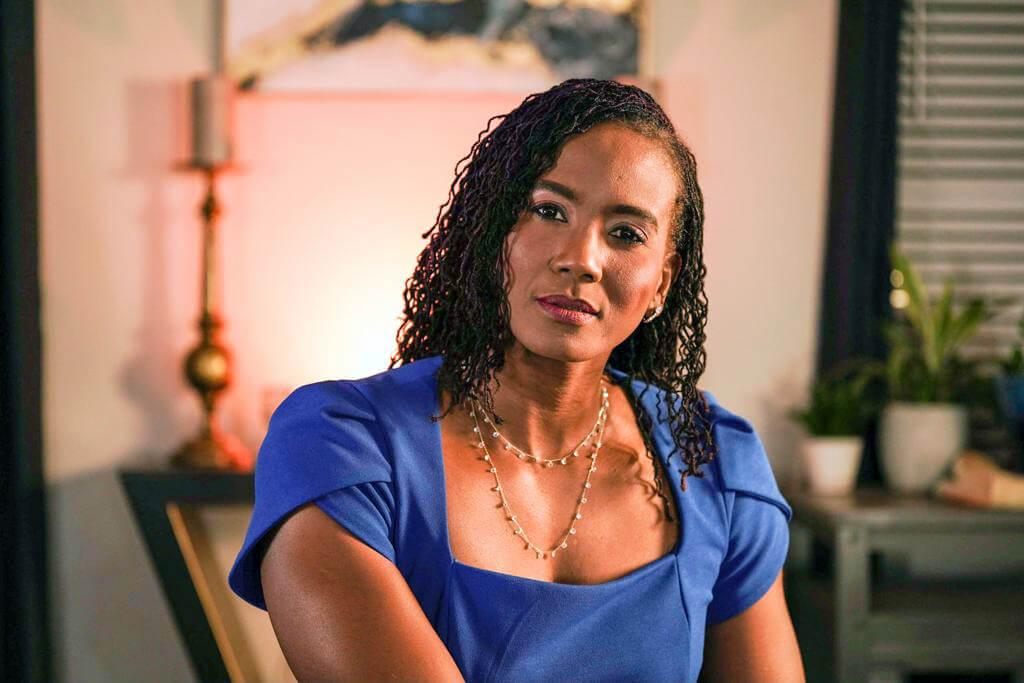
In a world where leadership often remains a predominantly male domain, Caribbean women are rising to the forefront, breaking barriers, and redefining what it means to lead. From politics to business, education, and community activism, these trailblazers are not only shaping their respective fields but also inspiring future generations to pursue their dreams fearlessly. As we shine a spotlight on these remarkable individuals, this article aims to celebrate their achievements, highlight the unique challenges they have overcome, and encourage a broader recognition of their contributions to society. By honoring these Caribbean women who have forged paths in leadership, we acknowledge their role in advancing gender equity and empowerment across the region, fostering a legacy of resilience and innovation for years to come.
Table of Contents
- Honoring the Legacy of Caribbean Women Pioneers in Leadership
- Exploring the Impact of Cultural Context on Female Leadership in the Caribbean
- Strategies for Empowering Future Generations of Women Leaders in the Region
- Creating Collaborative Networks to Support Women in Leadership Roles
- Insights and Conclusions
Honoring the Legacy of Caribbean Women Pioneers in Leadership
The Caribbean has long been a fertile ground for trailblazers who have shattered glass ceilings and redefined leadership within their communities and beyond. The legacies of women such as Mary Seacole, Nanny of the Maroons, and Simone Schwartz-Bart not only inspire future generations but also symbolize the resilience and fortitude of Caribbean women. These leaders have made indelible contributions in various fields, including health care, education, and politics, challenging societal norms and inspiring countless others to follow in their footsteps. Their stories remind us of the power of determination and the impact of visionary thinking.
Today, we celebrate these remarkable figures and many others by amplifying their achievements and the unique attributes they brought to their respective roles. Key influences of Caribbean women pioneers include:
- Resilience: Overcoming immense challenges to achieve success.
- Community Focus: Prioritizing the needs and enhancement of their communities.
- Innovative Thinking: Developing new ideas that have transformed industries.
- Mentorship: Guiding and uplifting emerging leaders.
As we reflect on their extraordinary journeys, it is essential to move beyond recognition and strategize actionable steps that promote gender equality in leadership today. By creating platforms, resources, and opportunities specifically tailored for women in our region, we can ensure that the legacy of these pioneering leaders continues to thrive.
Exploring the Impact of Cultural Context on Female Leadership in the Caribbean
The Caribbean’s unique cultural landscape plays a pivotal role in shaping female leadership, influencing how women ascend to positions of power across various sectors. Historically, the region’s colonial past, combined with its diverse ethnic heritage, has created a complex tapestry in which societal norms and expectations around gender and leadership are deeply intertwined. Women leaders in the Caribbean often draw strength from their cultural backgrounds, harnessing traditional values around community and family, which can be both empowering and, at times, challenging. They navigate existing stereotypes while also breaking through barriers, demonstrating that female leadership is not just an adaptation to change but a transformative force that reshapes the narrative of power in their communities and beyond.
Moreover, the impact of cultural context is manifested in initiatives that promote women’s leadership development through mentorship, education, and community engagement. Key factors that contribute to the success of female leaders in the Caribbean include:
- Cultural resilience: Upholding traditions while advocating for modern leadership roles.
- Mentorship programs: Connecting aspiring leaders with established ones.
- Access to education: Facilitating educational opportunities that empower women.
- Community support: Building networks that encourage women’s participation in leadership.
To illustrate the progress and challenges faced by women in leadership roles, the following table provides insights into various sectors:
| Sector | Percentage of Female Leaders | Key Challenges |
|---|---|---|
| Politics | 23% | Gender bias, limited platforms |
| Business | 35% | Access to funding, networking |
| Education | 55% | Limited visibility in leadership roles |
| Non-profits | 45% | Struggles with resource allocation |
This examination of cultural context not only highlights the challenges faced by female leaders in the Caribbean but also shines a light on their achievements and the path forward. The ongoing dialog about gender and leadership continues to evolve, fueled by the stories of tenacious women who are redefining what it means to lead in the Caribbean landscape.
Strategies for Empowering Future Generations of Women Leaders in the Region
Investing in the education and professional development of young women is fundamental to cultivating a new generation of leaders. Mentorship programs can bridge the gap between aspiring female leaders and experienced professionals, allowing for invaluable knowledge transfer and guidance. By fostering networks that promote collaboration and support, we create a space where young women can thrive. Initiatives that include workshops, training sessions, and seminars not only enhance skillsets but also instill confidence, encouraging participants to step into leadership roles with assurance.
Furthermore, it is vital to highlight successful women leaders as role models who exemplify the potential that exists for future generations. This can be achieved through awareness campaigns, recognizing female leaders in various sectors, and their contributions to the region. Schools and universities should implement broad curricula that celebrate these trailblazers, integrating their stories and achievements into educational materials. Collectively, these approaches can inspire young women, fundamentally changing the narrative and paving the way for their future success.
| Strategy | Description |
|---|---|
| Mentorship Programs | Pairing aspiring leaders with experienced professionals for guidance. |
| Networking Events | Organizing gatherings for young women to connect with leaders. |
| Public Awareness Campaigns | Spotlighting successful women in leadership roles through media. |
| Curriculum Integration | Incorporating stories of trailblazing women into educational content. |
Creating Collaborative Networks to Support Women in Leadership Roles
In the vibrant tapestry of Caribbean culture, the importance of collaboration cannot be overstated, especially when it comes to elevating women into leadership roles. Building networks that foster collaboration among women leaders is essential for mutual support and empowerment. These networks provide platforms for sharing resources, knowledge, and experiences that can significantly enhance professional growth. By prioritizing connection, women can create a robust support system that encourages ambitious goals and fosters innovative solutions to the unique challenges they face.
The establishment of mentorship programs and partner initiatives is crucial to empower emerging leaders. These opportunities can take various forms, including:
- Peer Mentoring: Women supporting each other through guidance and shared experiences.
- Workshops and Seminars: Skill-building sessions tailored specifically to women’s leadership development.
- Networking Events: Regular meet-ups that facilitate connections among women across industries.
- Online Platforms: Virtual communities that allow women to connect, share resources, and collaborate regardless of geographic barriers.
Creating a dynamic and supportive environment requires collective effort. Organizations and institutions can play a pivotal role by promoting policies that encourage women’s participation in leadership roles, such as:
| Initiative | Impact |
|---|---|
| Leadership Training | Empowers women with the necessary skills to take on leadership positions. |
| Diversity Hiring Policies | Ensures equal opportunities for women in decision-making roles. |
| Flexible Work Arrangements | Accommodates the diverse needs of women leaders. |
Through collaborative networks and supportive initiatives, we can create a thriving ecosystem that honors and uplifts Caribbean women trailblazers in leadership roles, paving the way for future generations to follow suit.
Insights and Conclusions
As we reflect on the remarkable contributions of Caribbean women trailblazers in leadership roles, it is essential to recognise the profound impact they have made across various sectors, from politics and business to social justice and cultural advocacy. Their journeys, marked by resilience and innovation, not only inspire the next generation of leaders but also challenge societal norms and pave the way for future progress.
By celebrating their achievements and fostering an environment that uplifts and empowers women, we can collectively strive towards a more equitable future. As the Caribbean continues to evolve, it is clear that the voices of women must remain at the forefront of decision-making processes. Let us honor these pioneers not just today, but in our ongoing commitment to gender parity and inclusivity. Their legacies will undoubtedly serve as a guiding light for all who seek to break barriers and lead with purpose.