



Faced with rising operating expenses, Medicare and Medicaid shortfalls, debilitating cyberattacks and costly boarders, the Schneider Regional Medical Center is poised to begin another fiscal year without the funding it needs to maintain the level of care it’s mandated to provide, according to officials.
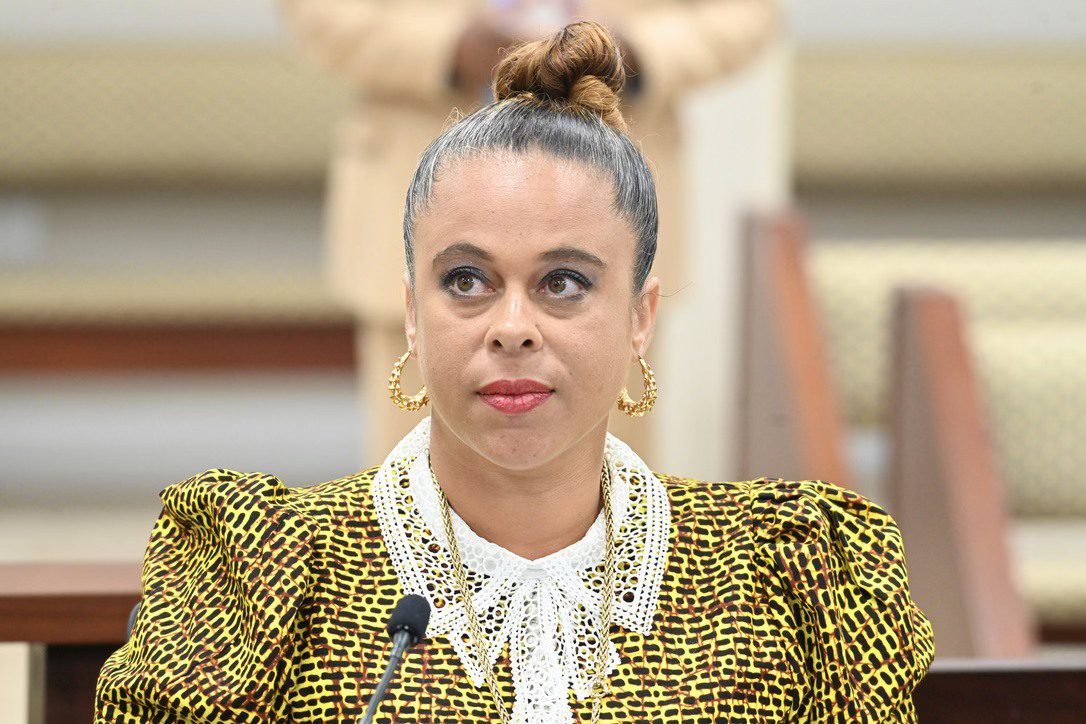
Schneider Chief Executive Officer Tina Comissiong told lawmakers on the Senate Budget, Appropriations and Finance Committee Monday that the hospital provides $36.2 million worth of uncompensated care to un- and underinsured Virgin Islanders, and the local Medicaid match for 2026 is estimated at $3.6 million.
“So when you consider that 60 percent of the patients are covered either by Medicare or Medicaid and another 15 percent are without any form of health care insurance at all,” she said, “then 75 percent of the care SRMC provides is either undercompensated for or not compensated for at all.”
The budget ceiling recommended by the Executive Branch for 2026 is under $32 million.
“The hospital will continue to struggle and owe vendors. It is too big a burden to offset with our operations. The GVI must cover uninsured and uncompensated care,” she said, putting the real cost closer to $40 million.
During her prepared testimony, Comissiong said the hospital spends approximately $6 million every year to care for boarders — patients who no longer require hospital care but who cannot be released because they are unable to care for themselves. Emergency department beds are also frequently occupied by people with nowhere else to go.
“Despite calls to the Department of Human Services Adult Protective Services, there is frequently no timely response and no placement options for these individuals,” she said. “These individuals — who are homeless, who have nowhere else to go — then tend to remain on or around the SRMC RLSH campus after being discharged, after they have gotten all of the hospital care or emergency care they need from us.”
Comissiong said DHS has no bed placement options in the territory for people who need total care or “significant help with activities of daily living.”
“And so despite our repeated advocacy, there are still not enough DHS or Medicaid-contracted long-term care beds outside the territory either,” she said. “The hospital, again, is not the appropriate setting for these individuals, and proper placement for these individuals needs to be an immediate priority for the Department of Human Services and the GVI.”
Senate President Milton Potter noted that the central government’s recommended budget presented the hospital with an $8 million shortfall.
“What specific services will be cut or delayed if this gap isn’t filled,” he asked. “And how will patient care ultimately be affected by this?”
Comissiong said the emergency room doors will remain open, but the deficit “will slow things down.”
“It will slow the care that happens in the emergency room, we’ll have less staffing, the supplies that we need to take care of patients won’t always be on hand — to be able to run tests that we need to run in the lab, to be able to make decisions about patients,” she said. “Things on the floor, I’m sure, will slow down too, in terms of not being able to pay for the temporary traveling physicians or traveling support that you need because you can’t keep up with the staffing vendors… there will be real impacts on the care that we can deliver and the amount of services that we can provide if the funding is not adequate.”
