


As the climate continues to change and extreme weather events become increasingly common, the importance of natural barriers like coral reefs has never been more pronounced. These vibrant underwater ecosystems do more than just provide a haven for marine life; they serve as a critical line of defense against storm damage, protecting coastlines and the communities that inhabit them. In this article, we will explore the pivotal role of coral reefs in coastal protection, the challenges they face, and how restoration efforts are not only vital for the health of our oceans but also essential for safeguarding our shorelines. Join us as we dive into the science behind this natural defense system, discover innovative restoration techniques, and learn how these efforts can shield our coastlines from the increasing threats posed by storms and rising sea levels.
Table of Contents
- Understanding the Ecological Role of Coral Reefs in Coastal Protection
- Key Techniques for Effective Coral Reef Restoration
- Integrating Community Engagement in Restoration Efforts
- Evaluating the Long-Term Benefits of Healthy Coral Ecosystems
- Closing Remarks
Understanding the Ecological Role of Coral Reefs in Coastal Protection
Coral reefs serve as nature’s sentinel along coastlines, providing critical protection against the erosive forces of storms and waves. The complex structure of a coral reef acts as a natural barrier, absorbing the energy of incoming waves and reducing their impact on shorelines. This protective function is vital, especially in regions prone to tropical storms and hurricanes. By dissipating wave energy, reefs minimize coastal erosion and prevent flooding in adjacent communities. Furthermore, healthy coral reefs can significantly lessen the severity of storm surges, safeguarding both marine and human life.
In addition to their physical role, coral reefs foster biodiversity and contribute to the overall health of marine ecosystems. A thriving reef community supports a variety of species, including fish, mollusks, and sea turtles, which can enhance the resilience of coastal ecosystems. The diverse habitats provided by reefs bolster the stability of underwater ecosystems, ensuring that they can better withstand the pressures of climate change and human activities. The interconnection between coral health and coastal protection underscores the urgency for restoration efforts, as revitalized reefs not only contribute to biodiversity but also create a safer environment for coastal communities.
Key Techniques for Effective Coral Reef Restoration
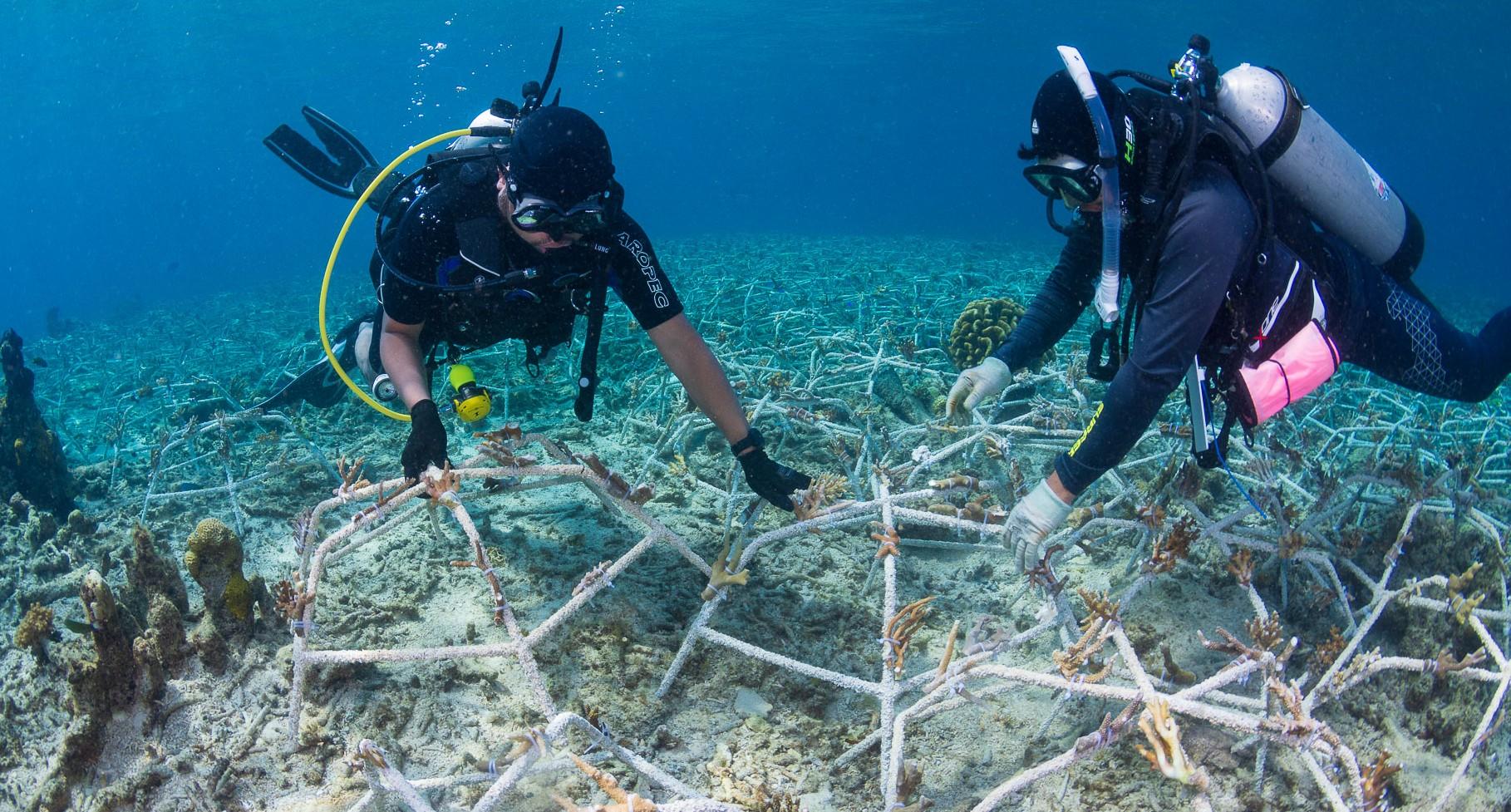
Coral reef restoration involves a combination of innovative techniques designed to rejuvenate these vital ecosystems. Among the most impactful methods are:
- Coral Gardening: Cultivating coral fragments in nurseries before transplanting them to degraded areas enhances colony resilience.
- Translocation: Moving healthy coral species to areas with better water conditions can help boost overall biodiversity.
- Active Restoration: Applying techniques such as underwater planting and bioengineering to accelerate natural recovery processes supports ecosystem resilience.
Implementing these techniques effectively requires a collaborative approach involving local communities, research institutions, and conservation organizations. Monitoring and assessment play essential roles, utilizing:
| Technique | Purpose | Monitoring Method |
|---|---|---|
| Coral Gardening | Increase coral cover | Regular health checks on nursery species |
| Translocation | Enhance species diversity | Tracking species survival rates post-transfer |
| Active Restoration | Speed up recovery | Visual assessments and photo monitoring |
Integrating Community Engagement in Restoration Efforts
Engaging local communities in coral reef restoration projects is essential for fostering a sense of ownership and ensuring sustainability. By involving community members, restoration efforts not only gain local support but also harness indigenous knowledge and practices that can enhance project effectiveness. Successful initiatives can benefit from:
- Workshops and Training: Educating the community about coral ecology and restoration techniques.
- Volunteer Programs: Encouraging local participation in planting and monitoring coral.
- Awareness Campaigns: Raising awareness on the importance of coral reefs to coastal protection.
Collaborative partnerships between organizations, local governments, and community leaders can further strengthen these restoration efforts. Establishing clear communication channels allows for shared goals and resources, ensuring that all voices are heard in the process. Consider integrating:
| Community Role | Impact on Restoration |
|---|---|
| Local Fishermen | Provide insights on marine health and biodiversity. |
| School Programs | Inspire future generations to engage in conservation. |
| Tourism Operators | Promote eco-friendly practices and funding for projects. |
Evaluating the Long-Term Benefits of Healthy Coral Ecosystems
The preservation and restoration of coral reefs bring profound and lasting benefits that extend far beyond their vibrant underwater beauty. These ecosystems serve as vital barriers against storm surges, significantly reducing the impact of extreme weather events on coastal communities. Healthy coral reefs act as natural breakwaters, dissipating wave energy and minimizing erosion to shorelines. By protecting coastal infrastructure, they ultimately contribute to economic stability and sustainability for regions prone to severe weather conditions.
In addition to their protective qualities, thriving coral ecosystems support a rich diversity of marine life, creating a robust habitat for numerous fish species and other marine organisms that inhabit the reef and surrounding waters. This biodiversity is crucial, as it supports local fisheries, providing necessary resources for food and livelihoods. The long-term benefits can be categorized as follows:
| Benefit | Description |
|---|---|
| Coastal Protection | Reduces storm surge and coastal erosion, safeguarding communities. |
| Biodiversity Enhancement | Supports various marine species, contributing to ecological balance. |
| Economic Stability | Promotes sustainable fishing and tourism industries. |
| Cultural Importance | Enhances local culture and heritage linked to marine environments. |
Closing Remarks
the intricate relationship between coral reefs and coastal protection cannot be overstated. As we’ve explored, the restoration of these vibrant underwater ecosystems plays a crucial role in safeguarding shorelines from the ravages of storms and rising sea levels. By investing in coral reef restoration efforts, we are not only preserving biodiversity but also fortifying our coastlines against the imminent threats posed by climate change.
As custodians of our planet, it falls upon us to support initiatives that promote sustainable practices, raise awareness, and drive conservation efforts. Whether through local projects, community engagement, or individual actions, every effort counts. The health of coral reefs is intertwined with the wellbeing of coastal communities, and together, we can create a resilient future that protects both our environment and the livelihoods that depend on it.
Let us remember that healthy coral reefs are not just a beautiful sight beneath the waves; they are a vital line of defense against nature’s fiercest forces. Join us in championing coral reef restoration, and be part of a global movement dedicated to preserving these invaluable ecosystems for generations to come. Together, we can make a difference—one reef at a time.