


Title:
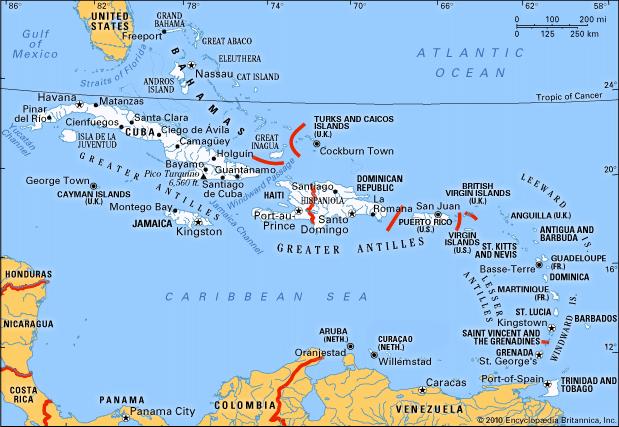
As the Caribbean region continues to navigate the complex landscape of global economic challenges, a wave of technological innovation is emerging as a powerful catalyst for growth. From the rise of digital startups to the integration of advanced agricultural technologies, the Caribbean is witnessing a transformation that is not only enhancing productivity but also reshaping the socio-economic fabric of nations across the archipelago. In this article, we explore the various tech-driven initiatives that are propelling economic advancement in the Caribbean, highlighting key players, successful case studies, and the potential for future development. With a focus on sustainability and resilience, the region stands at the crossroads of opportunity and innovation, proving that technology can indeed be a driving force for progress in even the most geographically isolated economies.
Table of Contents
- Harnessing Digital Transformation for Sustainable Development
- Fostering Entrepreneurship through Access to Technology
- Strengthening Infrastructure to Support Innovation Ecosystems
- Investing in Education to Bridge the Skills Gap for a Competitive Workforce
- To Wrap It Up
Harnessing Digital Transformation for Sustainable Development
The Caribbean region stands at the intersection of technology and sustainability, with digital transformation serving as a pivotal driver for economic growth. By leveraging tech innovations, islands are not only enhancing productivity but also fostering eco-friendly practices that support sustainable development. Key initiatives include the integration of smart agriculture, which utilizes IoT sensors to optimize water usage and crop yields, hence reducing environmental impact. Additionally, advancements in renewable energy technologies like solar and wind power are reshaping energy consumption, promoting self-sufficiency and resilience against climate change.
Moreover, the rise of e-commerce and digital platforms is facilitating new market opportunities for local businesses. Entrepreneurs can now reach consumers worldwide, significantly expanding their customer base while creating jobs and stimulating local economies. The importance of education and skill development in technology cannot be overstated, as it serves as the cornerstone for innovation within the workforce. To illustrate this growth, consider the following table highlighting key contributors to tech-driven economic initiatives:
| Initiative | Impact |
|---|---|
| Smart Agriculture | Enhanced crop yields |
| Renewable Energy Projects | Reduced reliance on fossil fuels |
| E-commerce Growth | Increased sales for local businesses |
| Tech Education Programs | Skilled workforce for innovation |
Fostering Entrepreneurship through Access to Technology
In today’s digital age, access to technology remains a cornerstone for entrepreneurial success, especially in the Caribbean. Many budding entrepreneurs are harnessing tech innovations to transform their ideas into viable businesses. With the proliferation of affordable smartphones and internet connectivity, individuals can now easily tap into resources that were once considered inaccessible. From online courses to mentorship programs, these tools empower them to develop crucial skills and foster a mindset geared toward innovation and resilience.
Moreover, collaborative platforms are enhancing opportunities for entrepreneurs by connecting them with potential investors and customers beyond local borders. The rise of e-commerce has allowed startups to reach global markets, amplifying their growth potential. For instance, many Caribbean companies are leveraging social media to market their products effectively, while fintech solutions are simplifying transactions and encouraging investment. This synergy between technology and entrepreneurship is vital for driving sustainable economic growth in the region, ensuring that the next generation is equipped to thrive in an increasingly digital economy.
Strengthening Infrastructure to Support Innovation Ecosystems
To cultivate a vibrant innovation ecosystem, it is essential to invest in robust infrastructure that supports technological advancement. A well-developed infrastructure not only facilitates access to essential resources but also encourages collaborative efforts among entrepreneurs, researchers, and educational institutions. Key components in this infrastructure include:
- High-speed Internet connectivity: Expanding broadband access across the Caribbean empowers businesses and communities by enabling seamless communication and online collaboration.
- Technology hubs and incubators: Creating spaces that foster innovation provides local startups and tech enthusiasts with mentorship, resources, and networking opportunities.
- Access to funding: Establishing venture capital funds and grant programs specifically for tech innovations stimulates entrepreneurial growth and draws in diverse talent.
Additionally, collaboration between governments, private sectors, and educational institutions is crucial in building an environment conducive to innovation. Partnerships can lead to the sharing of knowledge, research, and resources, which in turn can drive economic development. A comparison of major Caribbean nations highlights the varied levels of investment and infrastructure development:
| Country | Internet Penetration (%) | Number of Tech Startups | Investment in R&D (in millions) |
|---|---|---|---|
| Jamaica | 60 | 150 | 40 |
| Barbados | 75 | 100 | 30 |
| Trinidad & Tobago | 65 | 80 | 25 |
By recognizing the importance of physical and digital infrastructure, Caribbean nations can leverage their unique strengths to foster innovation, attract investment, and ultimately enhance their economic potential.
Investing in Education to Bridge the Skills Gap for a Competitive Workforce
Investing in education is crucial for addressing the skills gap that hampers economic progress and workforce competitiveness in the Caribbean. As technology continues to evolve, the demand for a workforce adept in digital skills is more pressing than ever. By focusing on the following initiatives, we can create a robust educational framework that aligns with market needs:
- Curriculum Reform: Updating educational curricula to include coding, data analysis, and other tech-related subjects.
- Partnerships with Tech Companies: Collaborating with industry leaders to provide practical training and internships.
- Access to Online Resources: Offering free or subsidized access to online courses and workshops to upskill the current workforce.
A strategic approach to these educational investments will not only enhance employability but will also stimulate innovation and economic development. The following table demonstrates how investments in education directly correspond to workforce skill improvement:
| Investment Area | Expected Impact |
|---|---|
| Access to Resources | Increased digital literacy and skill acquisition |
| Industry Collaboration | Enhanced job readiness and alignment with market needs |
| Innovative Curriculum | Development of critical thinking and problem-solving skills |
To Wrap It Up
the interplay between technological innovation and economic growth in the Caribbean is becoming increasingly evident. As countries in the region embrace digital transformation, invest in infrastructure, and foster entrepreneurial ecosystems, they are not only enhancing their competitive edge but also improving the quality of life for their citizens. The adoption of cutting-edge technologies, coupled with supportive governmental policies and investment from both local and international stakeholders, positions the Caribbean as a burgeoning hub for innovation.
However, to fully realize the potential of these advancements, it is crucial for governments, businesses, and communities to work collaboratively, addressing challenges such as digital inequality and workforce readiness. By doing so, the Caribbean can not only accelerate economic growth but also create a sustainable and inclusive future for all. As we look ahead, the region stands at a pivotal moment, where technology can be the key to unlocking new opportunities and driving prosperity for generations to come.