


Expatriate civil servants will face term limits from 1 Jan. next year, after Cabinet this week approved moving ahead with amending immigration legislation.
Under current regulations, non-Caymanians in the civil service are not bound by the same immigration rules that apply to expats in the private sector, which requires them to leave Cayman after nine years or seek permanent residency status, under the so-called ‘rollover’ policy.
Civil servants do not have to get work permits and can remain in Cayman indefinitely without being required to apply for permanent residency or Caymanian status.
According to the Economics and Statistics Office, as of June last year, out of the 4,810 civil servants in Cayman, 30.7%, or 1,479, were non-Caymanians.
Proposed changes
Cabinet, in a meeting on Wednesday, approved drafting instructions to introduce term limits for civil servants, and announced plans to make those changes in a statement Thursday.
The statement noted that the required break in stay for civil servants would be two years – rather than the current one-year break for the private sector – after they had completed their term limit.
Other changes on the cards include making certain positions in the public sector exclusive to Caymanians; introducing contractual terms that require training and developing Caymanian professionals to ensure succession planning; and strengthening rules around private sector employees joining the civil service.
The government statement announcing the changes noted that the decision to amend the rules surrounding the employment of non-Caymanians in the public sector “is a result of extensive consultation of employers and employees within the civil service, and detailed statistical and policy analysis of the implications of such a policy”.
The new rules will include exemptions for certain sectors, such as within the judiciary, to uphold its independence and “ensure that they remain unaffected in line with the constitution and also preserving the governor’s special responsibilities for the civil service under Section 55 of the constitution”. There will also be a requirement for any approved exemptions to be reported, the statement noted.
Most expat workers in government are employed within schools, the police and prison services, and as caregivers in the Department of Children and Family Services.
Rules apply to existing and new civil servants
The proposed changes will apply to existing staff as well as new hires. The start date of the term limit for expats already working in the civil service will be 1 Jan. 2026.
“This approach will avoid service disruption particularly with the Department of Education Services, Royal Cayman Islands Police Service, His Majesty’s Cayman Islands Prison Service and the Department of Children and Family Services, which collectively hire the majority of non-Caymanians within the civil service,” the government statement noted.
Governor Jane Owen, speaking on Compass TV’s show ‘Forefront’ on Thursday evening, told host Tammi Sulliman that, because the concept of bringing the civil service in line with private sector immigration rules had been discussed for many years, and more recently during the last few months of the previous government’s administration, the announcement was unlikely to have come as a surprise to civil servants.
“We’ve undertaken some extensive consultation, so the resultant policy that we see today coming out takes into account all the data that we’ve collected about civil servants, Caymanians and non-Caymanians within the workforce, and also some of the feelings and views that have come out through the consultation,” she said.
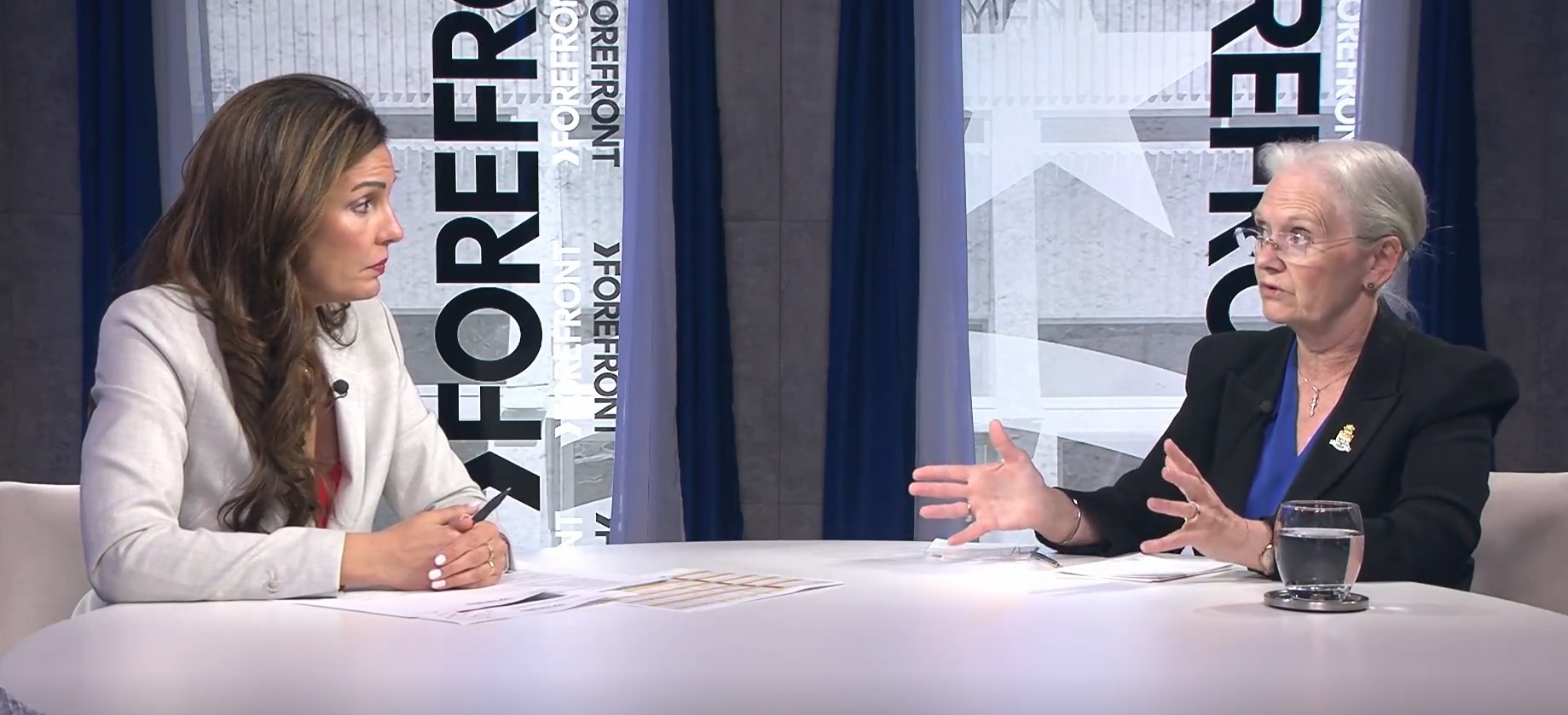
The governor said the new rules would create a “level playing field” for workers across the private and public sectors.
She noted that fewer than 90 expat civil servants, over the past 20 years, had obtained permanent residency, and the majority spent fewer than six or seven years here.
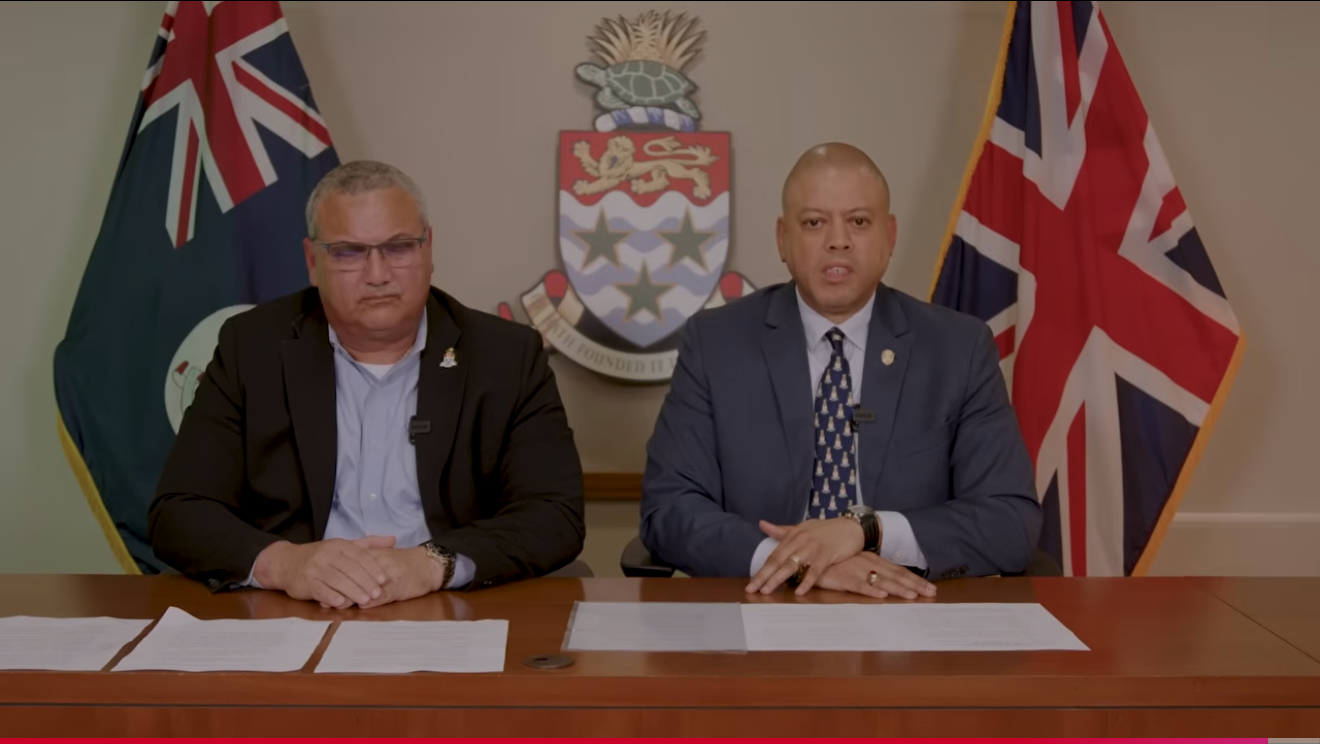
Head of the civil service, Deputy Governor Franz Manderson, also quoted in the government statement, said, “While it is important to align public sector employment rules with private sector immigration policies, we must accept that term limits alone will not translate into more jobs or the upward mobility for Caymanians in the workplace. Therefore, the Civil Service have developed an enhanced term limit policy which provides additional mechanisms for hiring Caymanians.”
He continued, “Additionally, it must be recognised that many essential services, such as provided by our police officers and prison officers, are not available anywhere else in the Islands. Therefore, any changes must be carefully implemented to ensure we remain fully equipped to deliver the services our people depend on to make their lives better.”
The statement noted that it is expected that the changes to introduce immigration term limits for non-Caymanians civil servants will fall under the Public Service Management Act and Personnel Regulations which govern the employment of civil servants.
Upcoming changes for private sector
The changes are likely the forerunner to other amendments for the private sector, as immigration reform was cited in the manifestos and election campaigns of both the political parties and the independents that make up the National Coalition For Caymanians government.
Premier André Ebanks confirmed this, saying in the government statement, “The changes initiate one of the aims of our government to reform immigration policy in this country. We are moving words into action.”
He added, “These changes are pro-Caymanian, prepared in consultation with the civil service as our aim is to work in partnership.”
He said moving ahead with immigration reform in the private sector was a priority for his government.
In a joint video statement with Ebanks issued on Friday morning, Manderson noted that it was envisioned that provisions would be strengthened to ensure work-permit holders in the private sector could not join the civil service “to avoid the term limits”.
Ebanks said Minister for Immigration Michael Myles would be making announcements in the “days ahead” regarding immigration changes in the private sector.
The idea of applying similar rules that apply to expat work-permit holders to non-Caymanian civil servants is not new. It has been touted by successive governments over the past two decades, ever since the rollover policy was introduced in 2004.
The previous administration, headed by Juliana O’Connor-Connolly, introduced an immigration reform white paper earlier this year which outlined a series of proposals for changing legislation affecting expatriate workers in the private sector. The paper did not address those working for government, however.
The Compass has reached out to government on the status of that white paper and is awaiting a response.
Civil servant raises concerns
On Thursday evening, shortly after the proposed changes were announced, a self-described Caymanian senior member of the civil service, wrote an anonymous letter to Owen and Manderson, that was copied to media outlets, urging them to rethink the new policy.
“While the policy’s intention to prioritize Caymanians in public service is understandable, its implementation risks undermining the very systems we’ve worked so hard to build,” the writer noted.
They added that the civil service relies on expatriates “not just as fillers in roles, but as professionals who bring unique skills and expertise that are simply not available within our local talent pool at the moment”.
Saying these expats “have dedicated years to serving our community, and their contributions have been critical in ensuring the smooth operation of essential services, from healthcare to education and law enforcement,” the writer claimed that by forcing them out after a set term, “we risk losing decades of hard-earned experience” that would leave the public sector with a “massive gap”.