


Introduction:
The Caribbean Sea, with its vibrant coral reefs, diverse marine life, and stunning coastal landscapes, is often celebrated as one of the world’s most enchanting marine environments. However, beneath the surface of its crystal-clear waters lies a growing crisis: marine debris. This pervasive issue, fueled by human activities and inadequate waste management practices, poses a significant threat to the health of Caribbean marine ecosystems. From the colorful fish that inhabit coral reefs to the majestic sea turtles navigating the open ocean, the presence of plastics and other pollutants can have dire consequences not only for wildlife but also for local economies and communities dependent on these rich resources. In this article, we’ll explore the multifaceted impacts of marine debris on Caribbean marine ecosystems, shedding light on the challenges they face and the urgent need for collective action to safeguard this irreplaceable treasure for future generations.
Table of Contents
- Understanding the Types of Marine Debris Affecting Caribbean Ecosystems
- The Ecological Consequences of Marine Debris on Biodiversity and Habitats
- Strategies for Mitigating Marine Debris and Promoting Ecosystem Resilience
- Engaging the Community: Building Awareness and Collaborative Solutions for a Cleaner Caribbean
- To Wrap It Up
Understanding the Types of Marine Debris Affecting Caribbean Ecosystems
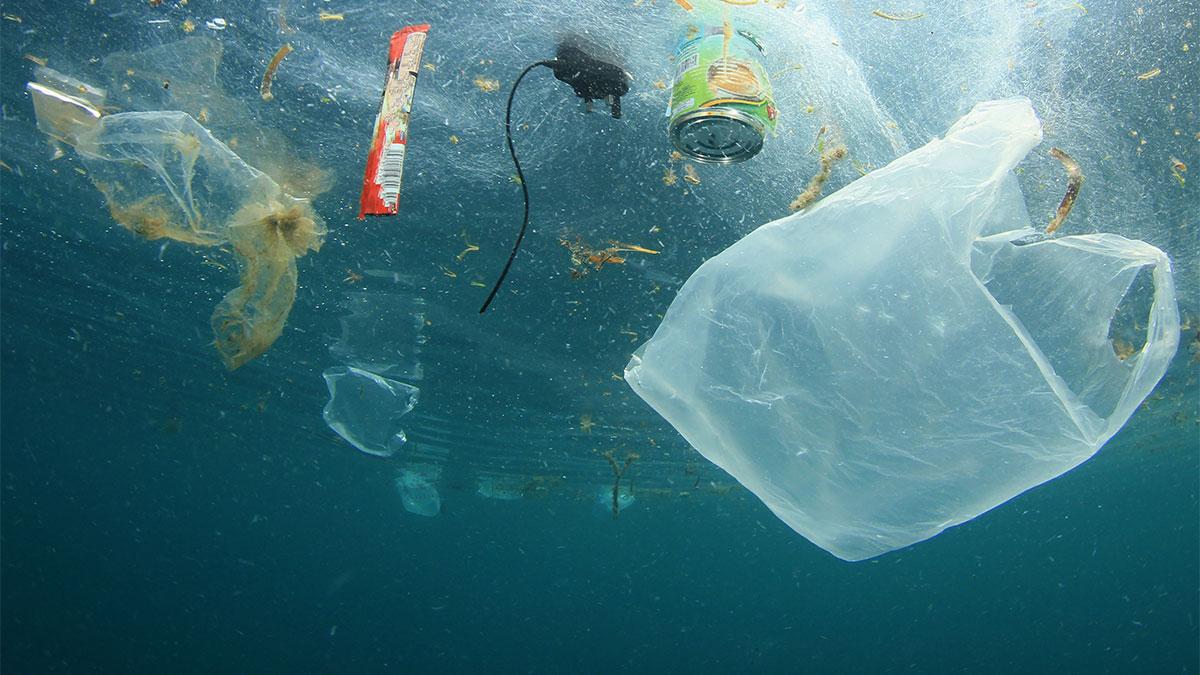
Marine debris in the Caribbean comes in various forms, each presenting distinct challenges to local ecosystems. The most common types include plastics, fishing gear, glass, and metal. Plastics, particularly single-use items like bags and bottles, pose a significant threat due to their long degradation time, leading to ingestion by marine animals and entanglement. Fishing gear, often discarded or lost, can create “ghost fishing” scenarios where caught animals suffer prolonged deaths. Glass and metal debris, while less prevalent, can cause physical harm to marine life and degradation of habitats like coral reefs.
The impact of these debris types extends beyond immediate physical harm. For example, plastics not only contribute to toxic pollution when broken down into microplastics but also disrupt the food chain as they are ingested by smaller fish, which are then consumed by larger predators. Moreover, the accumulation of such debris encourages the growth of harmful algal blooms, leading to hypoxic conditions that can devastate local fish populations. To better understand the situation, consider the following table showcasing the most affected species and their associated threats due to marine debris:
| Species | Type of Debris | Associated Threat |
|---|---|---|
| Sea Turtles | Plastic Bags | Ingestion and choking |
| Dolphins | Fishing Gear | Entanglement |
| Coral Reefs | Glass | Physical damage |
| Fish Species | Plastics | Microplastic ingestion |
The Ecological Consequences of Marine Debris on Biodiversity and Habitats
The proliferation of marine debris in Caribbean waters poses significant threats to the region’s rich biodiversity and fragile ecosystems. Animals that inhabit coral reefs and coastal areas often mistake plastic and other debris for food, leading to ingestion and often fatal consequences. Each piece of litter can become a trap or a source of toxicity, further endangering species such as seabirds, turtles, and fish. The interconnectedness of marine life means that the impact of debris extends beyond individual species, disrupting entire food webs and diminishing population resilience.
Furthermore, the accumulation of debris alters habitat structures essential for marine organisms. Coral reefs, seagrass beds, and mangrove forests serve as vital nurseries and shelters for a myriad of marine species. However, the presence of man-made materials can smother these habitats and inhibit their growth. Consider the following effects of marine debris on critical habitats:
| Habitat Type | Impact of Debris |
|---|---|
| Coral Reefs | Smothering and physical damage |
| Seagrass Beds | Light blockage, hindering photosynthesis |
| Mangrove Forests | Structural alteration, reduced nursery habitats |
Addressing the challenge of marine debris is paramount not only for the preservation of Caribbean marine ecosystems but also for the sustainable livelihoods of the communities that depend on these resources. Both local initiatives and global efforts must unite to combat pollution, fostering an environment where biodiversity can flourish and habitats remain intact. Solutions may include clean-up activities, education programs, and stronger regulations on waste management to safeguard these priceless marine environments for future generations.
Strategies for Mitigating Marine Debris and Promoting Ecosystem Resilience
Addressing the pressing issue of marine debris in the Caribbean demands a multifaceted approach that engages local communities, governments, and organizations. One effective strategy is the implementation of community-led clean-up initiatives that not only help remove existing debris but also educate participants about the long-term impacts of pollution on marine ecosystems. By fostering a sense of ownership and responsibility, these programs can enhance community engagement and promote sustainable practices. In addition, leveraging technology—such as mobile applications for reporting litter—can streamline efforts and increase participation rates. Equally vital is policy advocacy for robust regulations that target plastics and waste management, ensuring businesses adopt eco-friendly practices that minimize debris generation from the onset.
To further bolster ecosystem resilience, it’s essential to integrate restoration projects aimed at rehabilitating affected habitats. These may include mangrove restoration, coral reef rehabilitation, and the establishment of marine protected areas (MPAs). A comprehensive approach involves collaboration among scientists, policymakers, and local stakeholders to create effective management plans that are adaptive to changing environmental conditions. Regular monitoring of both debris levels and marine health is crucial, as it enables stakeholders to assess the effectiveness of implemented strategies. The table below summarizes key strategies and their targeted outcomes:
| Strategy | Targeted Outcome |
|---|---|
| Community Clean-ups | Reduction of debris on beaches and in oceans |
| Policy Advocacy | Stricter regulations on plastic use |
| Habitat Restoration | Improved ecosystem health and biodiversity |
| Monitoring Programs | Data-driven decisions for ongoing management |
Engaging the Community: Building Awareness and Collaborative Solutions for a Cleaner Caribbean
Marine debris poses a significant threat to the delicate ecosystems found throughout the Caribbean. The diverse marine life, ranging from vibrant coral reefs to the elusive sea turtles, is adversely affected by the presence of human-made waste. Plastic pollution, in particular, has become pervasive, leading to dire consequences such as ingestion by marine animals and disruption of their natural habitats. Understanding these impacts is crucial for fostering robust community initiatives aimed at pollution reduction. Key effects of marine debris include:
- Ingestion of harmful materials by marine organisms.
- Entanglement, which can lead to injury or death for various species.
- Degradation of vital coral reefs, impairing their ability to provide essential ecosystem services.
- Disruption of marine food webs and biodiversity.
To combat these challenges, community engagement is essential in developing collaborative solutions that raise awareness about marine conservation. Community-led clean-up drives, educational workshops, and local partnerships can help reduce waste at the source and promote sustainable practices. Furthermore, encouraging eco-friendly practices among residents and tourists alike can bolster the management of marine resources. The following table highlights some practical actions that communities can implement:
| Action | Description |
|---|---|
| Beach Cleanups | Organize regular events to remove debris from local shores, fostering community pride. |
| Awareness Campaigns | Launch educational programs targeting schools and local organizations to highlight marine debris issues. |
| Policy Advocacy | Promote legislative changes to reduce plastic use and improve waste management systems. |
| Collaboration with NGOs | Partner with environmental organizations for funding and expertise in restoration projects. |
To Wrap It Up
the pervasive issue of marine debris is not just an environmental concern; it poses a significant threat to the vibrant ecosystems that define the Caribbean Sea. From the delicate coral reefs to the diverse marine life that resides within these waters, the impact of litter and pollution can be devastating. As we’ve explored, the infiltration of plastics and other debris disrupts natural habitats, endangers wildlife, and alters the delicate balance of marine life, ultimately affecting local economies and communities.
However, the future is not beyond our control. By fostering awareness, advocating for sustainable practices, and supporting initiatives aimed at reducing waste, we can collectively work towards mitigating this challenge. It is imperative that we engage in responsible stewardship of our oceans, ensuring that the beautiful Caribbean ecosystems remain vibrant and resilient for generations to come.
Let’s commit to being part of the solution—because a cleaner sea means a healthier planet, not just for the Caribbean but for the entire global community. Together, we can turn the tide against marine debris and protect the rich biodiversity that makes the Caribbean one of the world’s most treasured marine regions.
Thank you for joining us in this crucial conversation, and let’s continue to raise our voices for the oceans we cherish.