


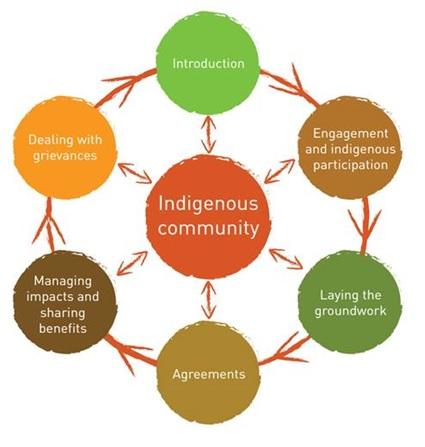
In an era where environmental challenges are increasingly complex, the call for innovative and holistic approaches to conservation has never been more critical. One of the most promising avenues in this pursuit is the integration of traditional knowledge with contemporary conservation strategies. Indigenous and local communities possess a wealth of experience passed down through generations, providing invaluable insights into sustainable practices and ecosystem management. This profound understanding of local biodiversity is often overlooked in mainstream conservation discourses. However, by bridging the gap between traditional ecological knowledge and scientific methodologies, we can create more effective, culturally sensitive, and sustainable conservation initiatives. In this article, we will explore the significance of traditional knowledge in conservation efforts, highlight successful case studies, and discuss how fostering partnerships between indigenous communities and conservationists can lead to thriving ecosystems for future generations. Join us as we delve into the rich tapestry of traditional wisdom and its vital role in safeguarding our planet’s natural heritage.
Table of Contents
- Understanding Traditional Knowledge in Conservation Practices
- Bridging the Gap Between Indigenous Wisdom and Scientific Research
- Strategies for Successful Collaboration with Local Communities
- Policy Recommendations for Integrating Traditional Knowledge into Conservation Frameworks
- Insights and Conclusions
Understanding Traditional Knowledge in Conservation Practices
Traditional knowledge encompasses the insights, practices, and beliefs that indigenous and local communities have developed over generations. This wisdom often reflects a deep understanding of local ecosystems, gained through lived experience and interactions with the natural world. Integrating such knowledge into conservation efforts can yield numerous benefits, as these practices are often rooted in sustainable resource management. For instance, traditional fire management techniques used by Indigenous Australians have been shown to reduce the risk of uncontrolled wildfires while promoting biodiversity. By valuing and incorporating these approaches, conservation initiatives can become more holistic and culturally relevant.
Moreover, the collaboration between traditional knowledge holders and conservation practitioners can foster innovative solutions to contemporary environmental challenges. A few ways in which traditional knowledge can enhance conservation include:
- Restoration Practices: Utilizing local plant species known for their resilience and adaptability.
- Wildlife Monitoring: Observational methods that involve indigenous knowledge about animal behaviors and migration.
- Water Management: Community-led approaches based on traditional practices for maintaining watershed health.
| Traditional Practices | Conservation Techniques |
|---|---|
| Crop Rotation | Soil Health Improvement |
| Indigenous Fire Practices | Wildfire Risk Reduction |
| Seasonal Harvesting | Species Regeneration |
Bridging the Gap Between Indigenous Wisdom and Scientific Research
In the pursuit of effective conservation, the integration of traditional ecological knowledge (TEK) with scientific research presents a unique opportunity to enhance our understanding of ecosystems. Indigenous communities have cultivated a profound relationship with their environment over millennia, developing practices that are deeply rooted in observation and cultural significance. This intrinsic knowledge, often overlooked in contemporary science, offers valuable insights into sustainable land management, species conservation, and climate resilience. By recognizing and incorporating Indigenous perspectives, we can create a more holistic approach to conservation that values both empirical data and time-tested wisdom.
The synergy between Indigenous wisdom and scientific methodologies can lead to innovative conservation strategies. For example, research has shown that Indigenous land management techniques, such as controlled burns and seasonal harvesting, not only preserve biodiversity but also enhance ecosystem health. This collaboration can take various forms:
- Cultural Workshops: Hosting joint workshops where scientists and Indigenous leaders share knowledge.
- Co-management Agreements: Establishing partnerships between governmental bodies and Indigenous groups.
- Participatory Research: Involving Indigenous communities in scientific studies to ensure culturally relevant data collection.
The following table illustrates a few successful examples of integrating TEK into conservation practices across different regions:
| Region | Indigenous Practice | Conservation Outcome | ||||||||
|---|---|---|---|---|---|---|---|---|---|---|
| North America | Controlled Burns | Reduced WildStrategies for Successful Collaboration with Local CommunitiesIncorporating local communities into conservation efforts is critical, as they hold valuable traditional knowledge that can enhance sustainability. Engaging with these communities requires building trust and fostering genuine partnerships. Effective strategies include:
Establishing a framework for collaboration can be further structured through shared goals and measurable outcomes. Consider implementing the following elements:
Policy Recommendations for Integrating Traditional Knowledge into Conservation FrameworksTo effectively integrate traditional knowledge into conservation frameworks, it is essential to prioritize collaboration between Indigenous communities and conservation practitioners. Establishing formal partnerships can lead to shared decision-making processes that value both scientific and traditional perspectives. This collaboration could involve:
Furthermore, policies must recognize and protect the rights of Indigenous communities regarding their traditional knowledge. This can be achieved through:
Insights and ConclusionsAs we conclude our exploration of integrating traditional knowledge into conservation efforts, it’s clear that these age-old practices hold immense potential for fostering sustainable relationships between communities and their environments. Traditional knowledge is not merely a repository of cultural heritage; it is a dynamic framework that can enhance biodiversity conservation, support ecological resilience, and empower local communities. By recognizing and valuing the insights of Indigenous and local populations, conservation strategies can become more holistic and effective. Collaboration between scientists, policymakers, and traditional knowledge holders is essential to create solutions that honor both cultural integrity and environmental stewardship. As we look to the future, let us advocate for inclusive approaches that elevate the voices of those who have cultivated their relationship with the land for generations. Together, we can forge a path towards a more sustainable and equitable future, where traditional wisdom and modern science unite for the preservation of our planet’s precious ecosystems. Thank you for joining us on this journey through the intersection of traditional knowledge and conservation. We invite you to reflect on how these insights can influence your own approach to environmental stewardship and share your thoughts in the comments below. Let’s keep the conversation going! |