


Title:
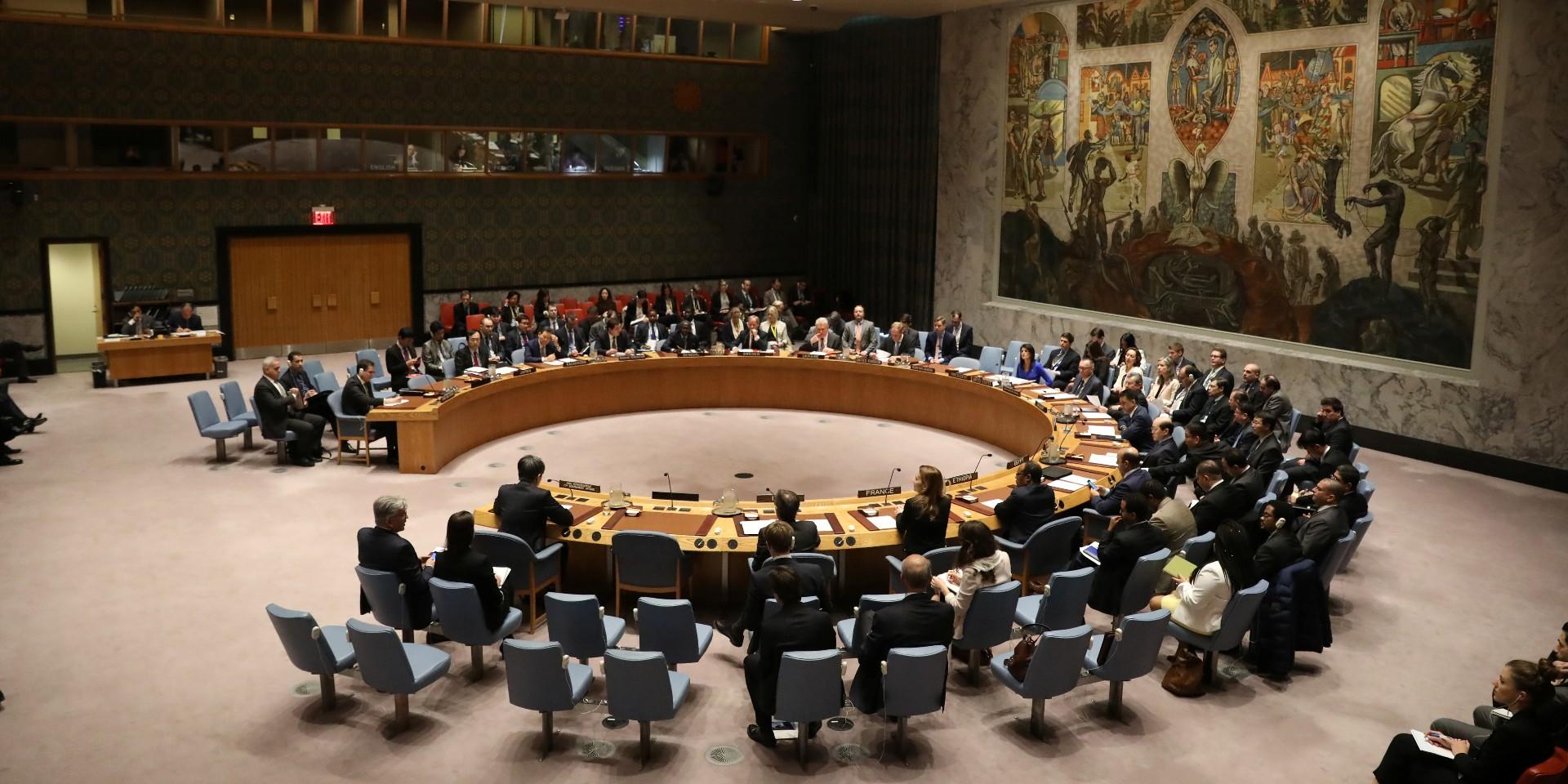
In an era marked by globalization, the movement of people across borders has become a pivotal issue for nations worldwide, and the Caribbean is no exception. As the region grapples with complex challenges related to migration—from economic disparities and natural disasters to shifting political landscapes—international organizations are playing an increasingly influential role in shaping immigration policies. This article delves into the dynamic interplay between Caribbean governments and global entities, such as the United Nations, the International Organization for Migration, and the Caribbean Community (CARICOM), highlighting their contributions to crafting policies that not only address immediate immigration concerns but also promote sustainable development and human rights. By examining current initiatives and collaborative efforts, we aim to illuminate how these organizations are guiding Caribbean nations through the intricacies of immigration in a rapidly changing world.
Table of Contents
- Impact of International Organizations on Caribbean Immigration Legislation
- Collaborative Strategies for Sustainable Immigration Management in the Caribbean
- Evaluating the Effectiveness of Regional Frameworks in Addressing Migration Challenges
- Recommendations for Enhancing Cooperation Between Caribbean Nations and International Bodies
- Concluding Remarks
Impact of International Organizations on Caribbean Immigration Legislation
International organizations play a pivotal role in shaping immigration legislation across the Caribbean. Through frameworks and agreements, entities such as the United Nations and the Caribbean Community (CARICOM) have fostered collaborative efforts to standardize immigration policies throughout the region. Their influence manifests in various ways, including:
- Policy Development: Assisting member states in drafting immigration laws that adhere to human rights standards.
- Capacity Building: Providing training and resources to local authorities to enhance their ability to implement and enforce immigration legislation.
- Data Sharing: Facilitating the exchange of information to better manage migration flows and respond to emerging challenges.
The impact of these organizations is evident in recent legislative changes across several Caribbean nations. For instance, migration policies have begun to reflect a more human-centric approach, emphasizing the importance of protecting the rights of migrants. To illustrate this shift, the following table outlines recent immigration policy reforms in selected Caribbean states:
| Country | Policy Reform | Year Implemented |
|---|---|---|
| Jamaica | Introduction of a Pathway to Residency for Skilled Workers | 2021 |
| Barbados | Changes to Work Permit Regulations | 2022 |
| Trinidad and Tobago | Implementation of Refugee Protection Laws | 2023 |
Collaborative Strategies for Sustainable Immigration Management in the Caribbean
In the Caribbean, immigration management has become an increasingly complex issue that requires cooperative approaches among various stakeholders. Collaboration between national governments, international organizations, and local communities is key to forging sustainable immigration policies. Initiatives such as multilateral summits and regional dialogues facilitate the sharing of best practices, ensuring that immigration policies not only uphold human rights but also promote economic stability and social cohesion. By engaging in public-private partnerships, governments can leverage resources and expertise to develop comprehensive frameworks that address both the challenges and opportunities of migration.
To effectively implement these strategies, the adoption of a data-driven approach is essential. Collecting and analyzing migration data enables policymakers to understand trends, demographics, and the impacts of immigration on host communities. Furthermore, the establishment of inter-agency task forces allows for seamless coordination across various sectors. The following table highlights key collaborative strategies and their potential benefits:
| Strategy | Potential Benefits |
|---|---|
| Joint Training Programs | Enhanced skills for policymakers and border officials |
| Community Engagement Workshops | Strengthened local support for immigrant integration |
| Regional Information Sharing Platforms | Improved response to migration trends and challenges |
Evaluating the Effectiveness of Regional Frameworks in Addressing Migration Challenges
The Caribbean has seen a rise in migration challenges, which necessitates an evaluation of the regional frameworks designed to address these issues. Key international organizations, such as the International Organization for Migration (IOM) and the Caribbean Community (CARICOM), have spearheaded initiatives aimed at enhancing cooperation among member states. These frameworks typically focus on fostering effective border management, ensuring the protection of migrants’ rights, and promoting sustainable development strategies. Their effectiveness can be assessed through various indicators, including the successful implementation of policies, the reduction of irregular migration, and the enhancement of social cohesion.
To gain a clearer understanding of these frameworks, a structured analysis is essential. Below are some pivotal factors that contribute to their effectiveness:
- Collaboration among member states to share best practices and resources.
- Capacity building initiatives to strengthen local governance and support systems for migrants.
- Public awareness campaigns designed to inform communities about the realities of migration and integrate migrants into society.
- Data collection and research to monitor migration trends and inform evidence-based policymaking.
| Indicator | Assessment |
|---|---|
| Policy Implementation Rate | 75% of policies active within the last five years |
| Reduction in Irregular Migration | 35% decrease over the past two years |
| Community Integration Programs | 30 active programs across the region |
Recommendations for Enhancing Cooperation Between Caribbean Nations and International Bodies
To strengthen ties between Caribbean nations and international organizations, it is essential to foster a collaborative framework that prioritizes mutual interests. This can be achieved through joint training programs focused on policy formulation and implementation. By enhancing capacity-building initiatives in member states, stakeholders can share best practices and develop cohesive immigration strategies that address regional challenges. Additionally, establishing working groups comprised of representatives from both Caribbean nations and international bodies will facilitate continuous dialog and enable the identification of common goals.
Furthermore, the creation of a multi-level governance approach will empower local communities, ensuring that immigration policies are tailored to the unique socio-economic dynamics of each nation. This strategy could be supported by the integration of data-sharing platforms that allow stakeholders to track migration patterns, thereby informing policy adjustments in real time. Involving civil society and private sector organizations in the discussion can also enhance the legitimacy of the immigration process, ensuring that diverse perspectives contribute to the formation of inclusive policies.
Concluding Remarks
the role of international organizations in shaping Caribbean immigration policies is both pivotal and multifaceted. As regional dynamics evolve amidst challenges such as climate change, economic disparity, and geopolitical shifts, these organizations provide essential frameworks for cooperation, dialog, and support. Their influence extends beyond policy-making to fostering relationships among Caribbean nations and their global partners. By prioritizing collaborative approaches, these entities not only address immediate immigration concerns but also promote long-term sustainable development within the region. As Caribbean states navigate the complexities of immigration in an interconnected world, the continued engagement of international organizations will be crucial in ensuring that policies are not only effective but also equitable and just. The journey ahead will require adaptive strategies and a commitment to collective progress, reinforcing the idea that immigration policies are not just national concerns but regional imperatives that demand a united response.