


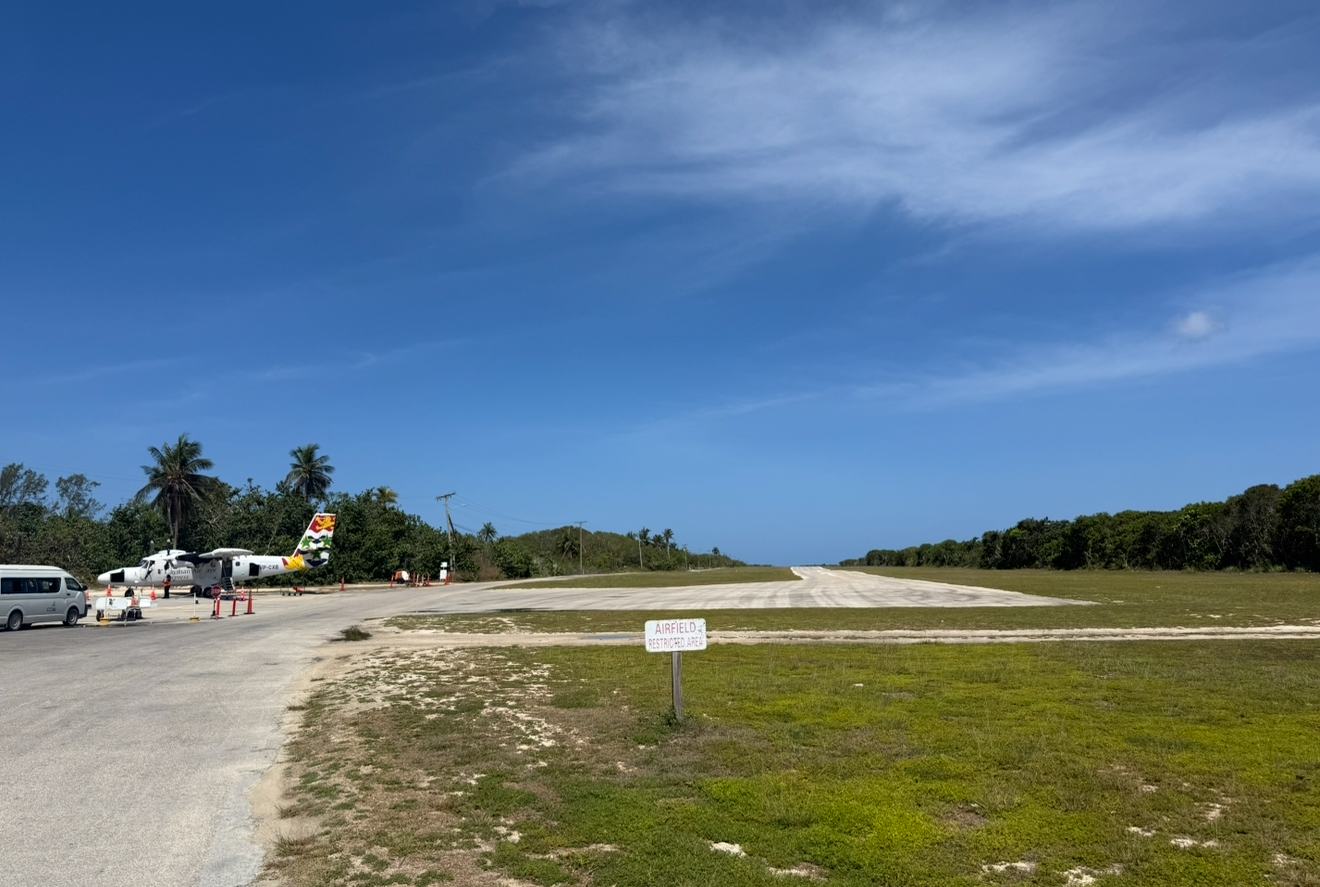
Government has told Little Cayman residents who oppose the proposed relocation of their airport that upgrading the airfield at its current site by Blossom Village will be considered.
The Edward Bodden Airfield currently operates under an exemption of airworthiness from the Civil Aviation Authority of the Cayman Islands, which has enabled Cayman Airways to fly small commercial aircraft in and out of the airport for two decades.
According to an environmental impact assessment terms of reference document issued this month, the authority says this exemption will not continue unless steps are taken for the island’s airport to achieve certification of international standards.
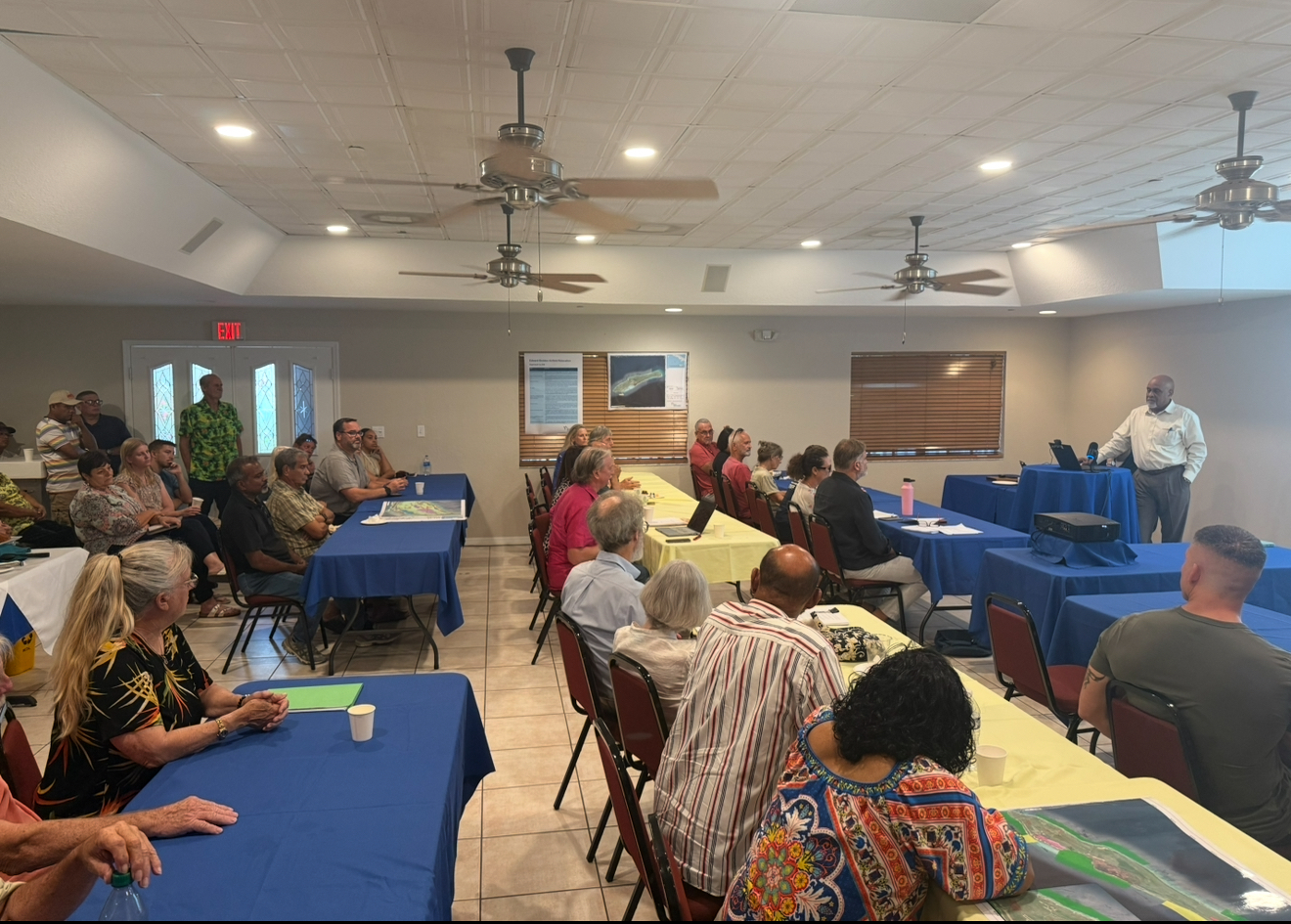
Little Cayman residents who attended a public meeting at the Little Cayman Beach Resort last week said they had felt blindsided to see moving the airport listed as the preferred option in that terms of reference document, saying they had left a similar meeting two years earlier with the impression that upgrading the existing site would be the way forward.
An airports master plan, released in 2023 about developments at all three of Cayman’s airports, had outlined a number of options for Little Cayman, including relocating the airport to land owned by the Cayman Islands Airports Authority on the island, upgrading the existing site, or introducing ferry or helicopter services to replace flights. Of those options, the relocation of the airport was chosen as the preferred one, and an EIA process was triggered.
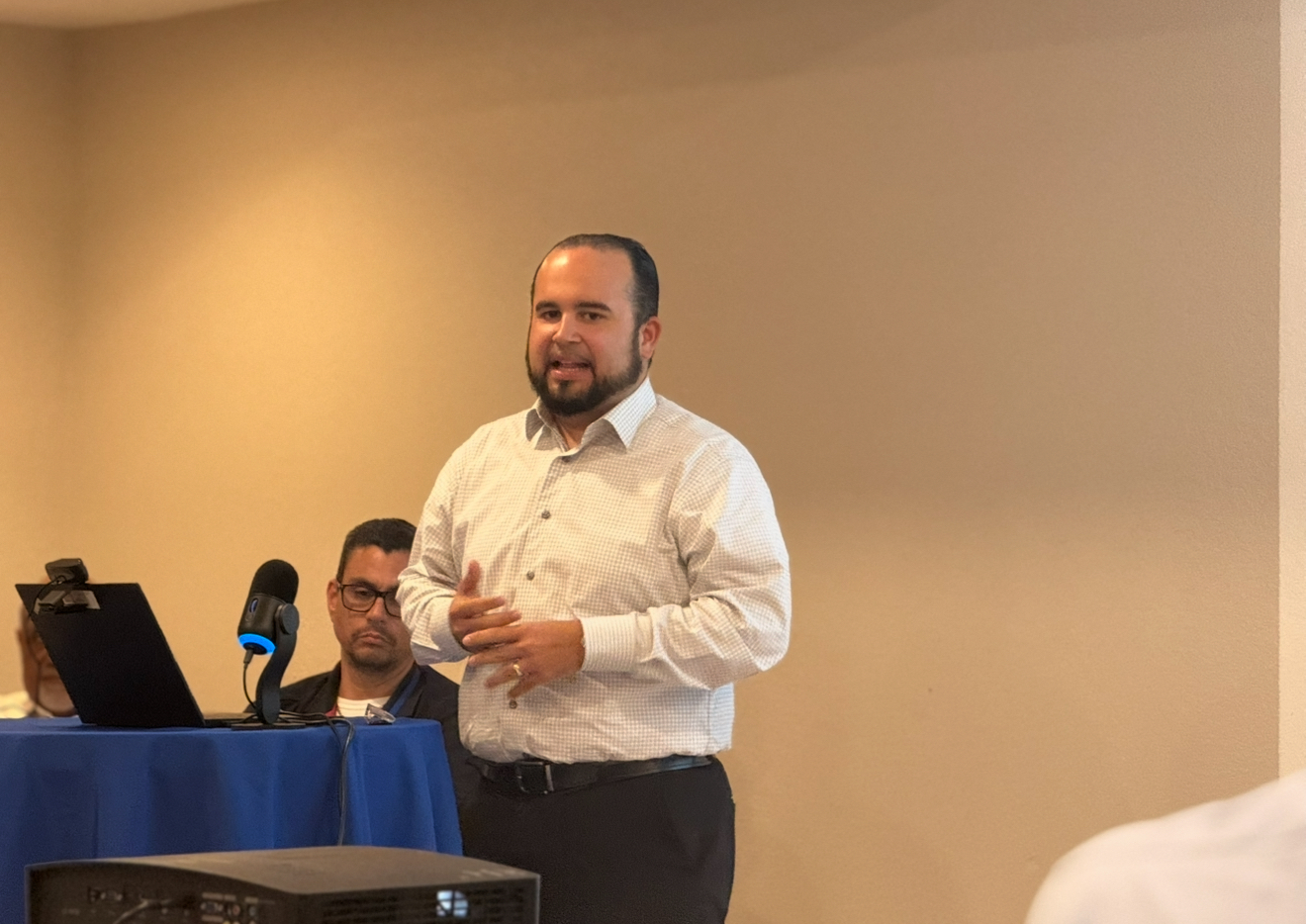
Near the end of an at-times-fractious meeting on Thursday evening, in which several residents clashed with Cayman Islands Aviation Authority representatives who presented the plan, District Administration Minister Nickolas DaCosta, who is also the MP for Cayman Brac West and Little Cayman, said the government will request that the EIA process include retaining the airport in an upgraded state at its present location.
Speaking to the Compass following the meeting, DaCosta said, “This Cabinet hasn’t made a decision to support the master plan or not. If we decide we want to vary it, then we would need to start the EIA process all over, because the terms of reference would have to be amended.”
He said the National Coalition For Caymanians government had received its first briefing on the issue on 27 May, two days before the public meeting.
“We’re definitely going to look over it carefully, as the new government, to ensure that whatever decision we make is the right one for the island in the future,” he said.
DaCosta and his government colleague, Parliamentary Secretary Wayne Panton, a former premier and environment minister, both told the audience they had been heartened to see the turnout and level of interest from residents at the packed meeting at the Little Cayman Beach Resort.
He said Cayman Airways, which operates the Little Cayman aerodrome, had his and the Ministry of Tourism’s commitment “to ensure funding is available to make this aerodrome safe in its current place right now, while all the process is fleshed out and everything is detailed”.
DaCosta said government had not made any decision on the issue “because there are too many unknowns — financial feasibility, government finances, environmental impact”.
“So, while we continue this process,” he said, “we will continue to talk it out, work it out, but ensure Little Cayman air travel is safe for everyone and provides adequate airlift to support you in your daily life.”
$46 million cost of relocation
According to the airports master plan, the capital cost of relocating the airfield inland would be $46 million, a figure residents at the meeting declared would be the costliest development the island has ever seen.
Attendees questioned why such an undertaking was being considered, pointing out the pressure this would put on the infrastructure on the island, which still has miles of unpaved roads, as well as no public water system.
A number of residents were disgruntled over what they saw as a lack of transparency over why the relocation of the airport was chosen as the preferred option, rather than upgrading the existing airfield. They asked to see any financial analysis that had gone into what it would cost for the airport to remain where it is.
Project manager Roy Williams told the audience that upgrading the existing airfield to meet the requirement for certification was “problematic” because the land on which the runway sits is privately owned.
He added that no lease exists with a number of the landowners and so they “have no contractual agreement with the government as to the use of the land. So, somebody could turn around tomorrow and say, ‘I want to grow potatoes on my land’, and that would be the end of the runway.”
One lease for a significant part of the runway runs out in 2029, he said, adding that there was no guarantee the lease would be renewed.
Williams said the runway would need to be widened to make it compliant with the required standards, meaning it would need to shift north so as not to affect Guy Banks Road. He said if just one of the landowners refused to sell, “you get into legal action for years”.
He added that upgrading the existing airfield to the required standard would mean the airport would have to shut down for nine months.
Residents asked if discussions had been held with the landowners on the matter, or whether options of compulsory purchase or land swaps had been considered. The representatives at the meeting said they did not know.
Safety top concern
Albert Anderson, CEO of the Cayman Islands Airports Authority, repeatedly told the audience that the main concern of the authority was safety.
Attendees pointed out that airfield had not had a single serious accident throughout its lifetime.
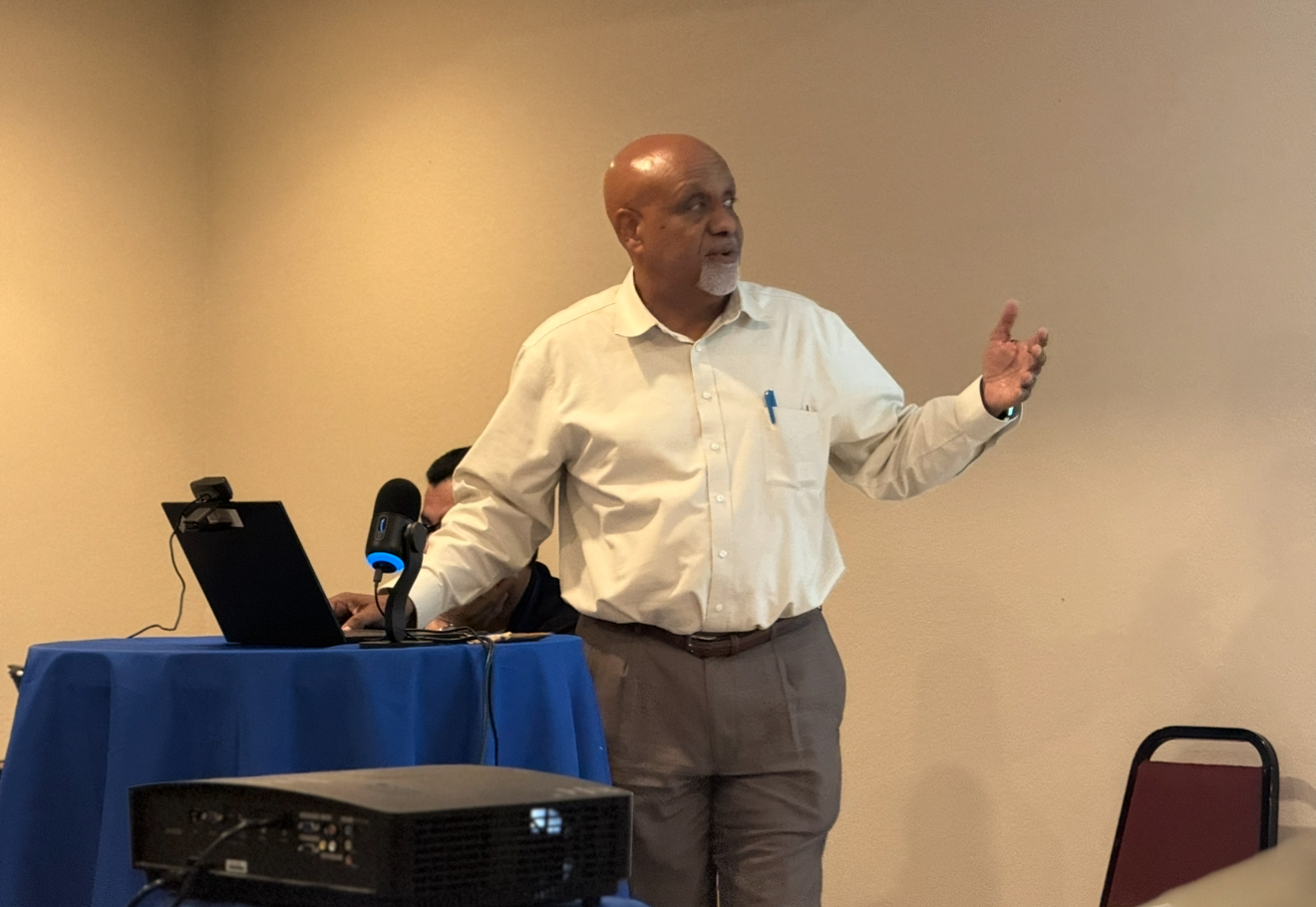
Anderson acknowledged this, saying, “Nothing has happened for many, many years, but there are many hazards in that aerodrome which could cause something to happen, which don’t comply with international regulations … and if we don’t put in place those mitigations, if, God forbid, something was to happen, whoever is operating that airport would be liable. So, what we try to do is minimise those risks.”
Williams indicated that it was perhaps a matter of time before an accident occurs, describing the runway as “banana” shaped and “unsafe”, with no markings, and with powerlines and a road running alongside it.
Addressing concerns over airport safety, one attendee quoted from a report the regulator made to Parliament, which he said, stated, “Although the airport is unable to meet certification standards, the Civil Aviation Authority does provide regulatory oversight of it and is satisfied that an acceptable level of safety has been achieved.”
Anderson said the Civil Aviation Authority was asking for aerodromes on Cayman to meet certification standards “not because they want to change things; they’re asking because we fall under the UK’s Overseas Territories Aviation Requirements”, which mandate that Cayman operates certified airports for commercial travel.
The land on which the new airport is proposed to be built, with a runway that could be up to 4,000 feet long, belongs to government. It is located immediately north of the Booby Pond Nature Reserve.
Williams told attendees that the proposed length of the runway was based on information from Cayman Airways that it plans to introduce ATR 42 model planes, and eventually retire the Twin Otter and Saab aircraft that currently fly to the Sister Islands. Those larger aircraft would be capable of carrying 42 passengers and bigger payloads, he said.
Questions over landfill relocation
Audience members also raised the issue of the island’s landfill, which, though not mentioned in the EIA draft terms of reference document that was the subject of the meeting, appears to require relocation if the proposed new airport is built inland, according to the 2023 airports master plan.
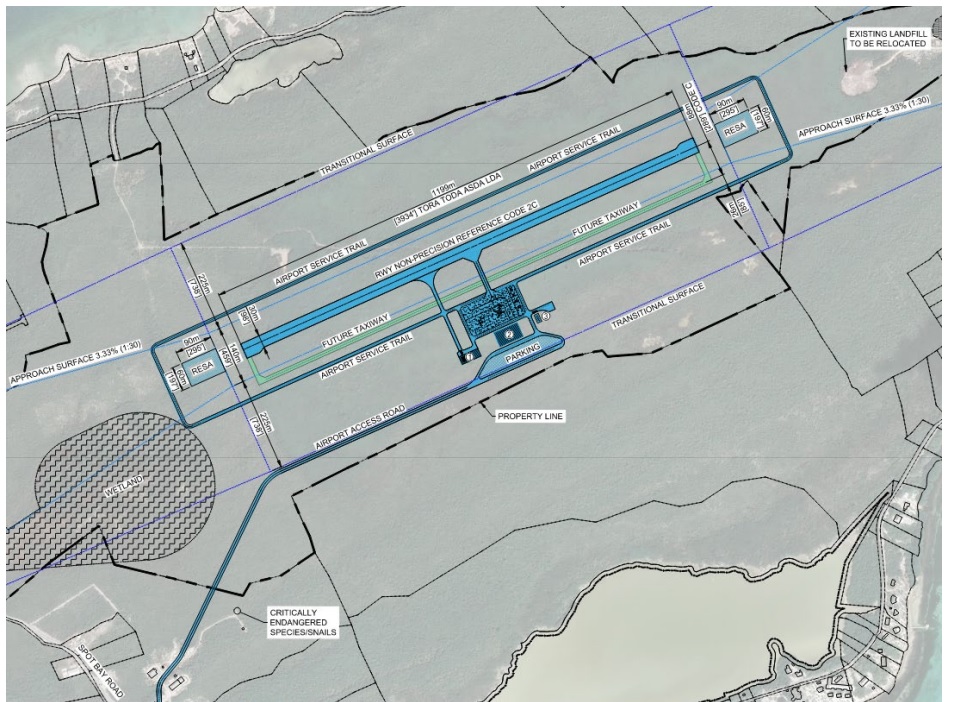
One resident noted, “The [terms of reference] document appears to completely ignore the need for moving the dump. Wouldn’t that have its own environmental impact with huge implications? It surely will raise the cost of this project significantly more and have lots of effects, environmentally and otherwise. It is extremely regrettable that that issue and the costs of that issue are not directly analysed in the report.”
Williams responded by saying the landfill would not have to be moved to accommodate the new airport, but several residents pointed out that this was included in the master plan, to which Williams replied he would look into it.