


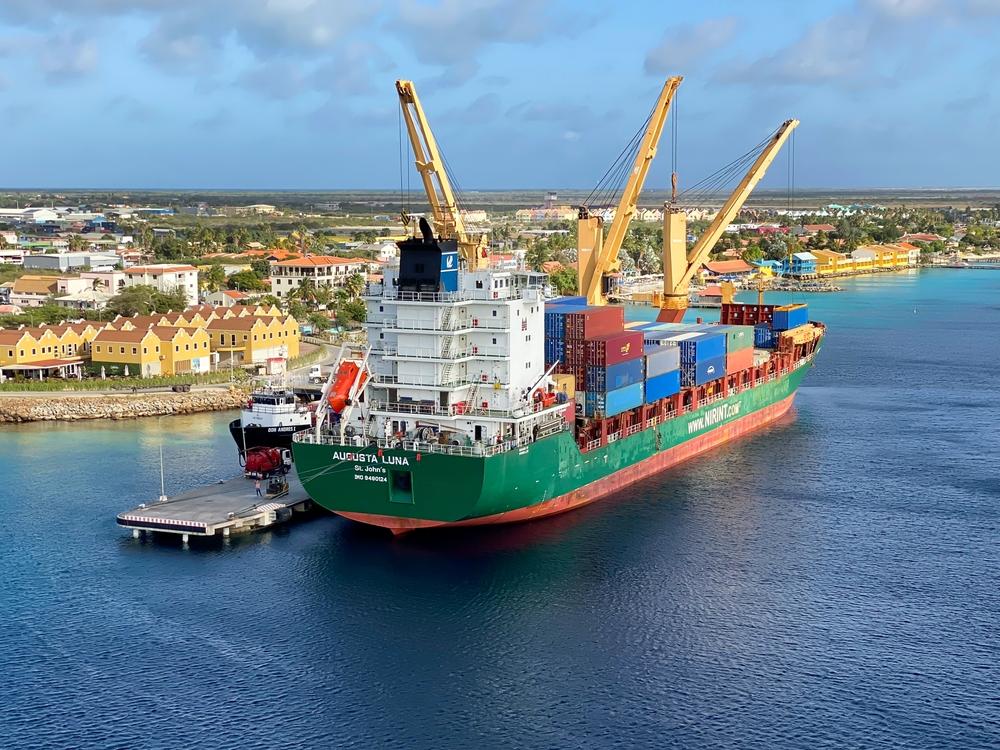
In a dynamic response to the growing demands of travelers and the pressing need for infrastructural upgrades, the Caribbean region is ushering in significant advancements in transport and air travel. As the tourism sector rebounds strongly post-pandemic, regional governments and private stakeholders are investing in modernizing transportation networks and enhancing air connectivity. This article explores the latest developments, including new airline partnerships, airport expansions, and innovative transport solutions that are transforming the Caribbean travel experience. We delve into how these initiatives aim to streamline operations and boost economic growth while ensuring safety and sustainability in this vibrant region.
Table of Contents
- Innovations in Maritime Connectivity: Enhancing Ferry Services Between Islands
- Strengthening Air Travel Infrastructure: Upgrades in Caribbean Airports
- Sustainable Transport Initiatives: Promoting Eco-Friendly Practices in the Region
- Collaborative Efforts: Regional Partnerships to Improve Travel Efficiency and Safety
- To Wrap It Up
Innovations in Maritime Connectivity: Enhancing Ferry Services Between Islands
The Caribbean has seen a surge in innovative solutions aimed at enhancing maritime connectivity, particularly in ferry services between islands. New technologies allow for real-time tracking of ferry schedules, enabling passengers to plan their journeys more efficiently. Additionally, the integration of mobile apps facilitates easier ticket purchases and provides live updates on operational changes due to weather or maintenance. These advancements not only improve user experience but also increase operational efficiency for service providers, reducing wait times and optimizing routes based on demand.
In conjunction with these technological enhancements, several countries have begun collaborating on shared ferry systems that connect multiple islands with regular, reliable service. Collaborative efforts aim to streamline operations by consolidating resources, which in turn can reduce costs for both operators and passengers. This system provides a pivotal transportation link for residents, tourists, and goods alike, fostering greater economic opportunities across island communities. The focus on sustainability has also prompted many ferry operators to explore the use of green technologies, such as electric or hybrid vessels, ensuring that while connectivity improves, the environmental impact remains a top priority.
Strengthening Air Travel Infrastructure: Upgrades in Caribbean Airports
The Caribbean is witnessing a significant transformation in its air travel infrastructure, with various airports undergoing critical upgrades to enhance passenger experience and operational efficiency. These improvements are not only aimed at accommodating increasing tourist traffic but also at boosting regional connectivity. Key airport projects include:
- Modernized Terminals: Many airports are investing in state-of-the-art terminals featuring enhanced amenities, improved layout for passenger flow, and better accessibility.
- Runway Expansions: Several major airports are extending runways to accommodate larger aircraft and improve flight capacity, ensuring smoother operations.
- Security Enhancements: Upgraded security technologies and protocols are being implemented to ensure passenger safety and streamline the check-in process.
Moreover, these upgrades are crucial in the context of climate resiliency, with initiatives focused on sustainable practices. Airports are incorporating eco-friendly technologies such as solar power systems and water conservation measures. The following table illustrates some of the prominent projects across the region:
| Airport | Key Upgrade | Expected Completion |
|---|---|---|
| Grantley Adams International Airport | Terminal Expansion | 2024 |
| Montego Bay Sangster International Airport | Runway Rehabilitation | 2023 |
| PNP International Airport | Eco-Friendly Tech Installation | 2025 |
Sustainable Transport Initiatives: Promoting Eco-Friendly Practices in the Region
In a concerted effort to enhance the region’s transport framework, several sustainable transport initiatives are being implemented across the Caribbean. These programs focus on reducing carbon emissions and promoting eco-friendly travel options. Factors driving these initiatives include community engagement, government policies, and partnerships with private sector entities. Significant actions include:
- Electric Vehicle (EV) Incentives: Governments are offering tax credits and subsidies to encourage the use of electric vehicles, creating a cleaner alternative to traditional fuel-powered transport.
- Expansion of Public Transit: Investments in efficient and reliable public transport systems, such as electric buses and trams, aim to decrease individual car usage.
- Bicycle Infrastructure: Development of dedicated bike lanes and bike-sharing programs is promoting cycling as a sustainable mode of transport within urban areas.
Furthermore, the transportation sector is embracing renewable energy sources to power transit systems, thereby minimizing environmental impact. Innovative partnerships between local governments and organizations are introducing cleaner air travel options, including the exploration of biofuels and hydrogen fuel technologies for aircraft. Below is a table summarizing recent sustainable transport projects in the region:
| Project Name | Location | Type of Initiative | Status |
|---|---|---|---|
| Green Bus System | City of Kingston | Public Transit | In Development |
| Cycle Caribbean | Various Islands | Bicycle Infrastructure | Active |
| Caribbean Air Green Initiative | Regional Airports | Air Travel | Proposed |
Collaborative Efforts: Regional Partnerships to Improve Travel Efficiency and Safety
In recent months, regional stakeholders across the Caribbean have united with a common goal: enhancing travel efficiency and ensuring the safety of air transportation. Collaborative efforts aim to streamline operations and increase capacity through shared resources and mutual agreements. Key initiatives under discussion include:
- Joint training programs for airport personnel to standardize safety protocols.
- Inter-island air service agreements that aim to reduce costs and increase flight frequency.
- Regional safety audits to identify and mitigate risks throughout the air travel network.
One standout project is the creation of a regional air traffic management system, which has shown promise in reducing flight delays and improving coordination among different jurisdictions. This system is set to incorporate advanced technologies and increased data sharing, which will greatly enhance operational efficiency. A preliminary framework for collaboration has already been established, with participating countries expected to contribute to a centralized database. This initiative promises to foster strong partnerships backed by a commitment to safety, leading to the following measurable outcomes:
| Expected Outcomes | Impact Level |
|---|---|
| Reduction in flight delays | High |
| Lower travel costs for passengers | Medium |
| Increased inter-island tourism | High |
To Wrap It Up
the latest developments in Caribbean regional transport and air travel signify a transformative era for connectivity in this vibrant region. As nations work collaboratively to enhance infrastructure, embrace innovative technologies, and prioritize sustainability, the Caribbean is poised to become a more accessible and integrated destination. These advancements not only promise to boost tourism and stimulate economic growth but also enhance the overall travel experience for residents and visitors alike. As stakeholders continue to navigate the complexities of post-pandemic recovery and evolving travel demands, it is crucial to remain informed and engaged with these developments that shape the future of Caribbean air travel. The region stands at a pivotal moment—one that holds the potential to redefine its status as a key player in the global transport landscape.