


The Department of Environment has said it will revisit and advance efforts to secure UNESCO World Heritage status for Little Cayman in 2026, linking renewed work on the bid to ongoing conservation measures and long-term management planning for the island.
Speaking at a National Conservation Council meeting on 10 Dec., John Bothwell, secretary of the National Conservation Council and manager of the Legislation Implementation and Coordination Unit for the Department of Environment, said the coming year would be used to strengthen the foundations needed for a credible World Heritage nomination.
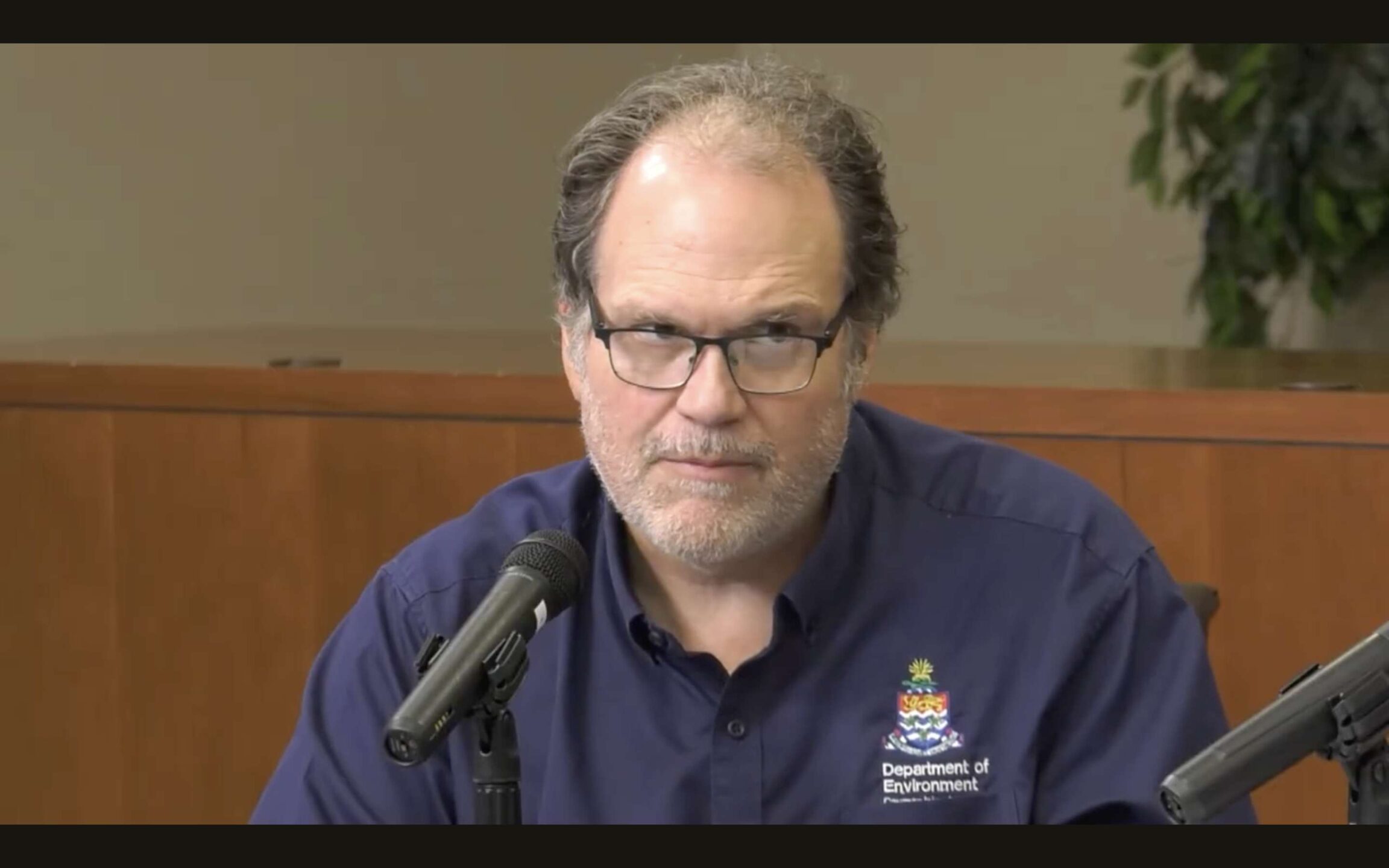
“There is an initiative to declare parts of Little Cayman a World Heritage Site, to get it inscribed on the World Heritage Register,” Bothwell said, describing the renewed push as part of a longer-term process rather than an immediate application.
UNESCO World Heritage status is an international designation for places of outstanding natural or cultural value, committing governments to protection and long-term stewardship.
Bothwell said the effort had been considered before but stalled because the Cayman Islands lacked the management tools required by UNESCO.
“Previously, the country lacked the management tools to achieve it,” he told the meeting, adding that those tools are now largely in place, allowing the council to revisit the bid with greater confidence.
Placed on UNESCO Tentative List in 2023
The original proposal was placed on the United Kingdom’s UNESCO Tentative List in September 2023. The original nomination focused on Little Cayman’s marine parks, reefs and protected coastal environments, which together make up nearly 75% of the island’s shoreline.
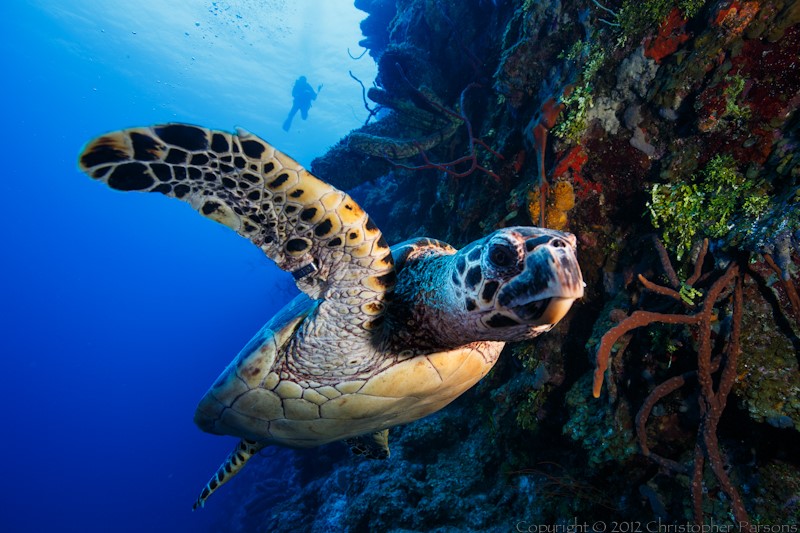
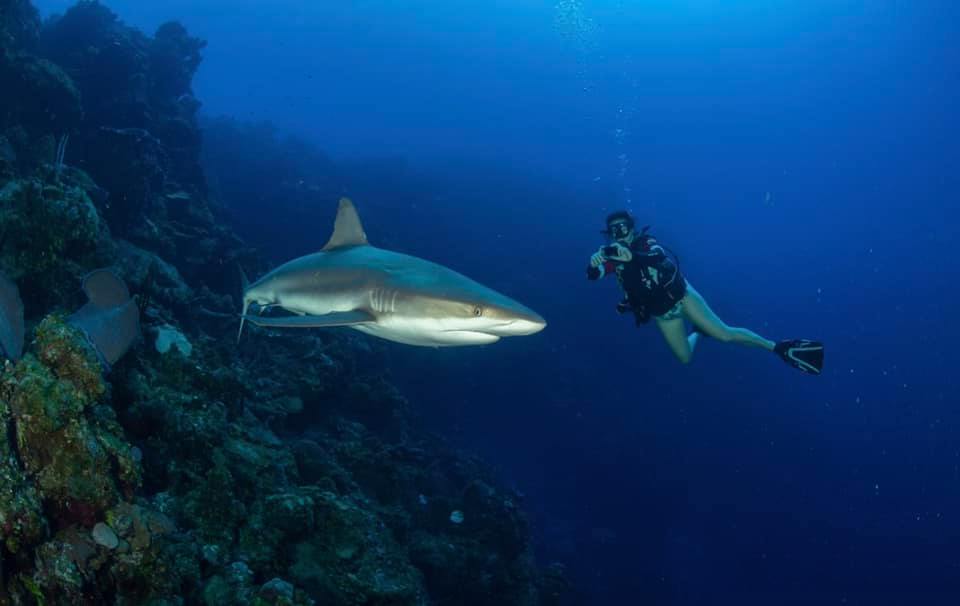
According to the Tentative List submission, Little Cayman’s marine environment includes extensive coral reefs, seagrass lagoons, spawning aggregation sites for the critically endangered Nassau grouper, and the world-famous Bloody Bay Wall. The island is also recognised internationally as a Mission Blue Hope Spot, a Ramsar wetland of international importance and a shark sanctuary.
At the NCC meeting, Bothwell said the council views 2026 as a pivotal year for laying the groundwork, which would involve UK oversight, ahead of a nomination.
“With the tentative goal of submitting the nomination dossier in January 2028,” he said the formal UNESCO review process would then take up to a year-and-a-half, which would bring the final decision closer to 2029 or 2030.
That process would involve assessments and site visits by UNESCO’s advisory body, the International Union for Conservation of Nature.
Bothwell added that, under the most recent government budget, the Department of Environment had secured funding for a dedicated contracted role to manage the process and build support across key stakeholder groups.
‘Double-edged sword’
He said revisiting the bid also means addressing risks associated with World Heritage status.
“World Heritage recognition is a double-edged sword,” he told members, warning that increased attention and tourism would need to be carefully managed.
“How do we make sure that we do not love our World Heritage Site to death?” he asked.
The renewed focus comes against the backdrop of long-standing planning challenges on Little Cayman. Previous reporting from the Cayman Compass highlighted that while the island’s marine parks and ponds can be considered for UNESCO status, the rest of the island cannot be included without a modern development plan and zoning framework.
Peter Hillenbrand, who led the original bid, has said that without formal land use protections, any attempt to secure UNESCO World Heritage status for Little Cayman’s terrestrial areas would be futile, with the ongoing Plan Cayman process – which will include the Sister Islands – viewed as a critical missing element.
According to Bothwell, additional protections for Little Cayman’s terrestrial and marine environment are, or could be, embedded in national climate change policy, species management plans and Section 41 of the National Conservation Act, which requires government bodies to consult the National Conservation Council before approving actions likely to cause environmental harm.
“It’s going to be a whole-country initiative,” he said.
Marketing potential
Despite the long road ahead, Bothwell said the council believes the effort is now viable. “The marketing potential for the country is huge,” he said, adding that international recognition could also bring technical support and funding.
“The pride in being able to say that the Cayman Islands is good enough to have World Heritage Status is going to be a huge thing,” he said.
Bothwell said that 2026 would provide a renewed attempt to put in place the protections, planning and management that UNESCO would expect before Little Cayman could realistically be considered for one of the world’s most prestigious conservation designations.
“I think we can all recognise Little Cayman’s exceptional natural beauty and that it has several critical habitats for biodiversity, especially endangered species,” he said. “And these are the criteria that we are going to be submitting it under for World Heritage recognition.”