


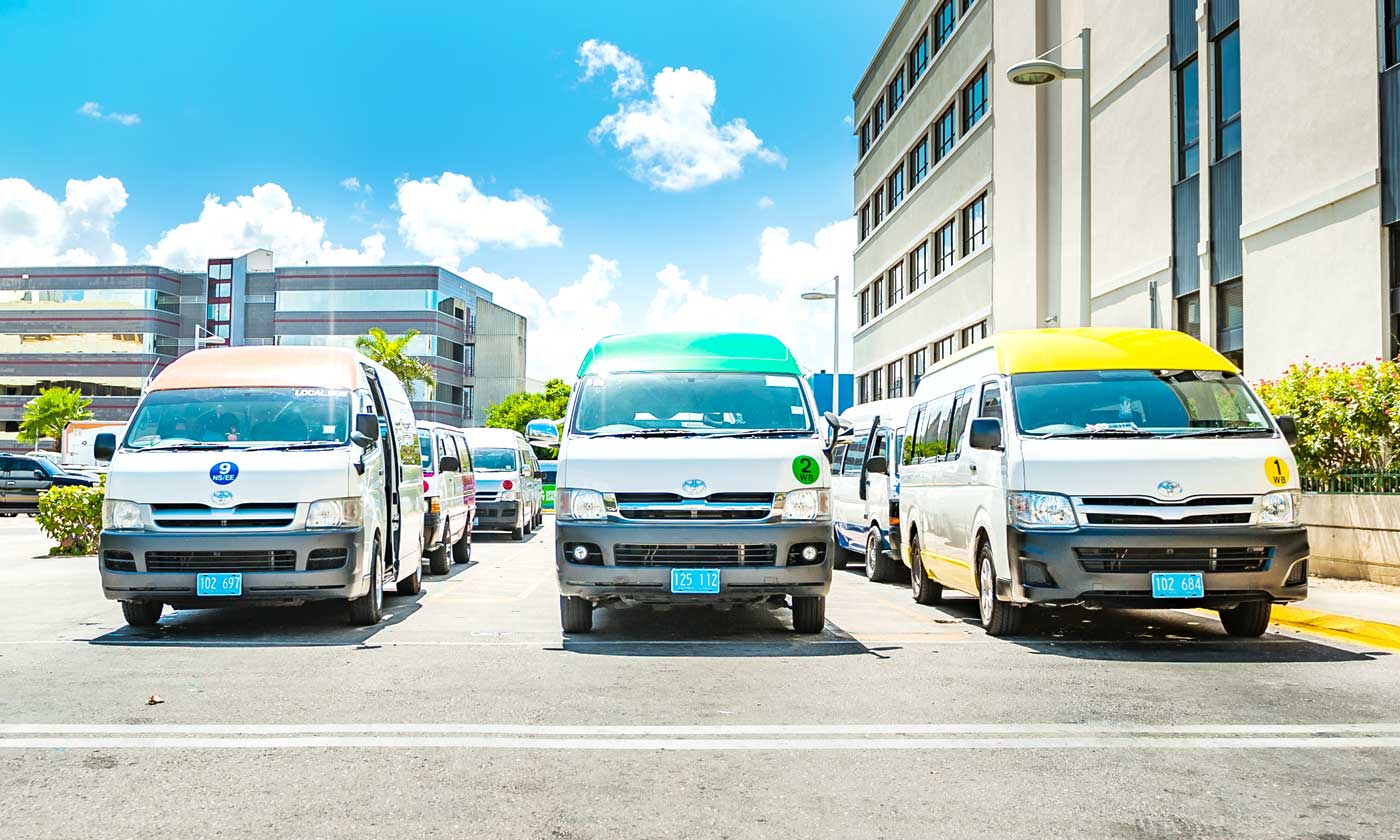
It’s before 6am on a weekday morning and the traffic is already backed up as far as Bodden Town. Parents squint at the blurred taillights blinking in the pre-dawn dark as sleepy-eyed school children doze in the back seat. At the side of the road, uniformed workers wait in hope, rather than expectation, for a mini-bus.
This is rush hour in Cayman – a slow, grinding, slog that serves as a daily reminder of how the island’s infrastructure, traffic management and transport policy has failed to keep pace with its growth.
There were 50,865 registered vehicles on the road last year – an increase from just under 38,000 at the time of the last election in 2021. Traffic was a problem then; it is an even bigger issue now.
In their manifestos, the three main parties promoted a handful of ideas to address this, with unanimous backing to continue with the East-West Arterial highway extension. During the debates, several candidates highlighted their everyman credentials, saying they sit in traffic too and understand the struggles of constituents who must rouse their children in the early hours to make it to school in George Town.
In the first of a multi-part series on key issues for the 2025 General Election, we look at what all three parties and some of the independent candidates have had to say on traffic and transport.
PPM says transport is a top priority
The People’s Progressive Movement manifesto highlights “delivering a new modern energy efficient public transport system for Grand Cayman”.
There is also a reference to using electric buses and a separate but related idea to use AI tools to catch speeders.
Leader Joey Hew referenced the need for a public transport system as one of his top three infrastructure priorities during the leadership debate earlier this month.
As Dan Scott and André Ebanks were quick to point out during the debate, Hew’s PPM had the reins of power from 2013 to 2021 and didn’t implement public transport then.
Hew has defended his party’s record – particularly on upgrading the island’s road infrastructure around George Town – something that has helped prevent the traffic situation from becoming even worse.
He told the Compass that creating a Public Transport Authority would likely be necessary. He would like to see a ‘hub and spoke’ system, with large electric buses running between the districts and George Town, linking up with omnibus services in the district, and a hop-on, hop-off bus circulating around key locations in the capital.
“Public transport needs to be reliable and comfortable and safe,” he said, adding that the Deloitte report and a separate consultation currently taking place in the Ministry of Transport would help fuel solutions.
CINP targets master transportation plan, school buses
Of the three manifestos, the Cayman Islands National Party has the most detail on transport plans, highlighting the development and implementation of a “master ground transportation plan” among its key priorities.
“The continual lack of proper planning and significant increase in vehicle importation by work permit holders has created unacceptable traffic, long travel times, and unreliable public transportation,” its manifesto states.
As well as a public transport system with transparent routes fares and schedules, it suggests some policy proposals to decrease congestion.

Mandating school buses for all public and private schools and making vehicle licences more expensive for work permit holders are highlighted among the plans.
Party leader Scott told the Compass the CINP would move swiftly to introduce proper buses with a consistent time table running to all parts of the island at all hours of the day. He said the aim was also to build out infrastructure in the form of proper bus stations in districts, with parking attached.
“We will look at the Deloitte report as a start point, but we won’t mess around. We have to get on with this,” he said.
He acknowledged many of those running for office were making similar claims, but insisted his opponents had already had plenty of opportunity.
“We need a government that will make decisions and get on with it,” he added.
TCCP proposes ‘park and ride’ and bus lanes
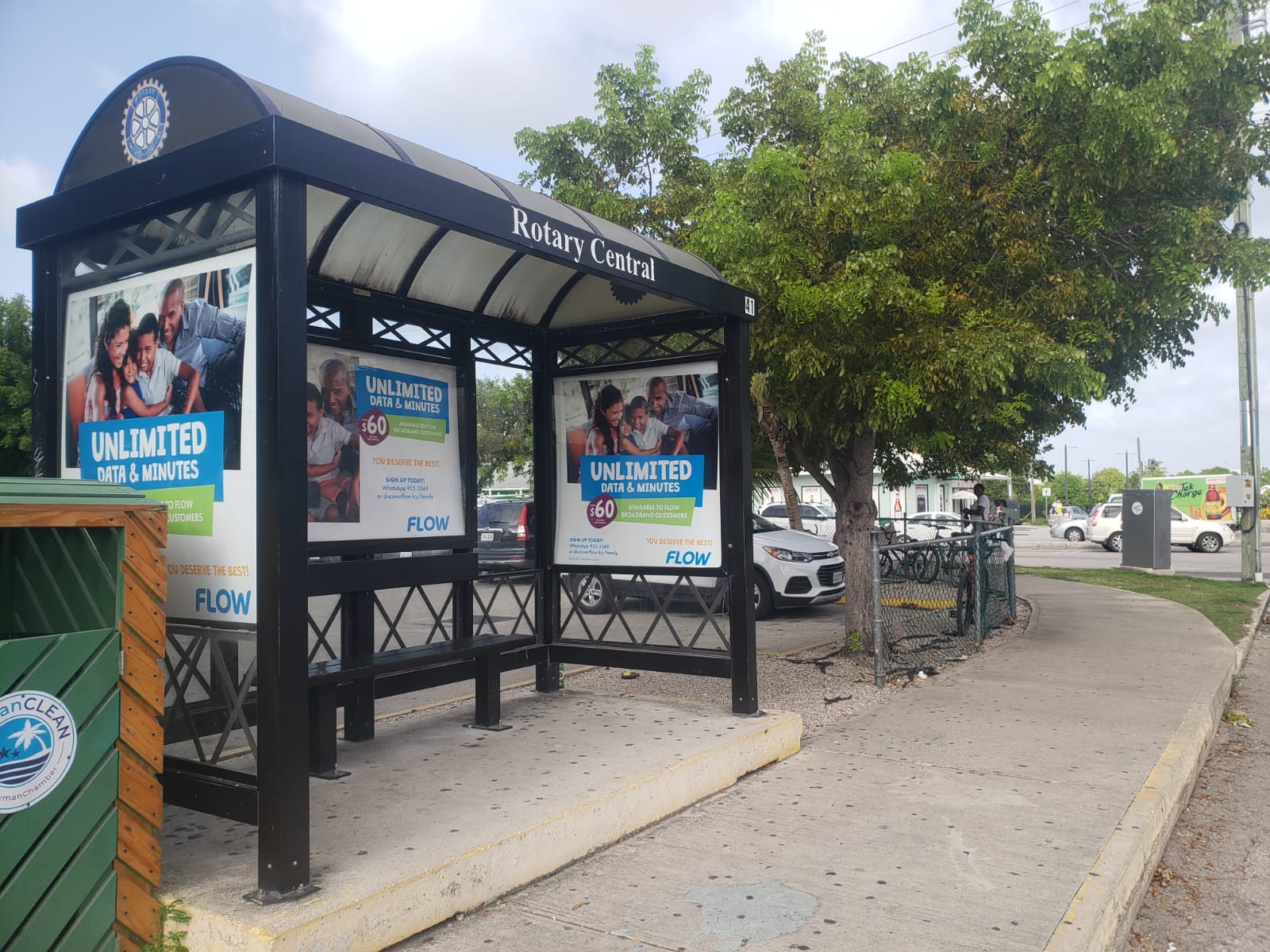
The Caymanian Community Party highlights plans to modernise public transport using ‘smart technology’ and creating designated bus lanes.
It also highlights an incentive-based ‘park-and-ride’ approach.
Like its rivals, the party supports the East-West Arterial extension, but indicates it should combine value for money with less environmental harm and protection for surrounding farmlands.
Party leader Ebanks told the Compass he believes there needs to be proper buses, with air conditioning, WiFi and an app similar to the UK CityMapper system. He said a TCCP administration could move swiftly to implement an improved version of the current system integrated with regional park and ride facilities.
The party also aims to offer incentives – including cheaper licensing and registration fees – for those that use the bus system instead of their cars.
Over a longer time period, he said, the party would look seriously at light rail and fast ferries as part of an integrated public transport system, though he doesn’t expect that to be achievable in this term.
Ebanks also referenced better planning of infrastructure and development as a means to manage traffic.
The manifesto indicates a TCCP administration will “Promote better town planning to support walkable communities across the Cayman Islands.”
Who said what on the campaign trail?
A plethora of ideas, from a bridge over the North Sound to disciplinary action for bad bus drivers, emerged during the debates. Here are some of the key quotes that caught our eye.
Michael Myles, CINP, Prospect, on the $250,000 Deloitte transport plan

“To date, we have not implemented anything of that plan. We’ve paid a lot of money for a plan; we haven’t executed the plan, and then we’re turning around and saying, ‘Well, there’s too much traffic in our road’.”
Crystal Gomez Wilson, PPM, Prospect

“We should not be spending hours in the morning and hours returning home, losing quality time with our families.”
Osbourne Bodden, TCCP, Bodden Town West, on public transport
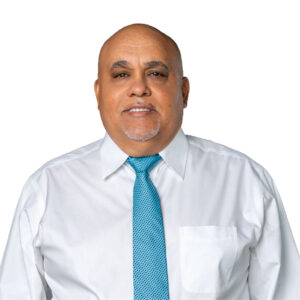
“We need an efficient system of operation that is on time, and we need to make sure we cover the Cayman Islands, because I know for a fact a lot of these buses don’t go in some areas.”
John Mclean Jr., Independent, East End

“I would say we should put maybe a bridge with minimal impact from the Rum Point area and drop it somewhere nearby the airport, for example. We need to think outside the box.”
Jay Ebanks, Independent, North Side
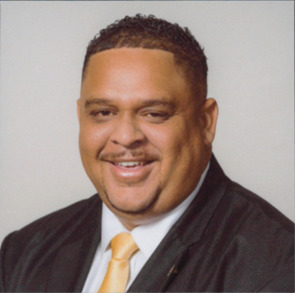
“Traffic is another issue that I am running on. We need to get East-West Arterial finished up.”
Roydell Carter, Independent, East End
“We do have some buses that are travelling towards East End, but sometimes the passengers get left along the road at North Side Road because they do not complete the entire route.
“I am willing to take some action where persons like that, those drivers, if they continue, that they should be suspended and ultimately fired from the job.”
How they fixed it: Three ideas from outside of Cayman
Looking beyond the manifestos and beyond Cayman’s borders, here are a few ideas that the next government could look at from elsewhere.
Congestion charges:
Said to be one of the few policies that works to reduce traffic, congestion charging is also one of the least popular with voters. It has worked in Singapore, where smart meters bill motorists at a fluctuating rate depending on the state of the traffic. It is starting to work in New York City, albeit in the face of opposition from motorists. Politicians in Cayman seem understandably unwilling to touch this one however, given the cost-of-living implications and the lack of reasonable alternatives in the form of public transport.
Walking, cycle and e-bike paths:
The evolution of e-bikes and scooters makes most Cayman journeys possible on two wheels. The state of our roads, however, makes that a terrifying prospect for many. The Department of Environment in a post-COVID vision document proposed investment in dedicated cycle and walking paths to help people travel without using cars. The National Roads Authority has adopted a ‘complete streets’ model as it builds out the road network, but a national network of standalone cycle lanes is not on anyone’s agenda.
Limits on vehicle ownership:
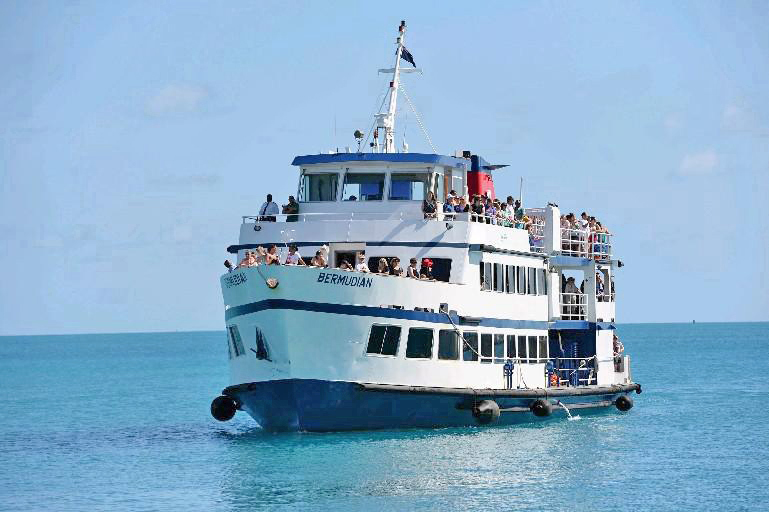
Our fellow UK overseas territory Bermuda has addressed its traffic problem by limiting families to one car per household. On an island with even less land mass than Cayman, that has become a necessity. But Bermuda also has the advantage of a sophisticated, integrated bus and ferry system, and driving a moped is the cultural norm.
Analysis: Similar plans, but who can execute?
All the parties emphasised the need to finish the East-West Arterial and to improve public transport, but who can get it done? None of the manifestos had details of the scale of those plans and how much they might cost.
Candidates of all stripes have emphasised the importance of this issue. But, as with a lot of key policies in Cayman right now, the division is not about what to do, but who is better placed to do it.
The PPM has sought to highlight its experience and suggested it is ready to hit the ground running, without the ‘learning curve’ of inexperienced politicians. But the rival parties, particularly CINP, have sought to flip this – arguing the PPM has presided over the creation of the problem and that new blood is needed to turn reports and procrastination into action.
Want to know more?
The Compass has reported in-depth on the traffic issues facing Cayman over the past few years. We looked through a crystal ball, and at the NRA’s advanced date modelling tool, at the nightmare that could be rush hour 2036, we tracked how much time Cayman commuters are losing in traffic, and found the numbers to be among the worst in the world.
We even put our reporters to work in a four-person race between car, bicycle, kayak and bus to see which form of transport was fastest through the commute. Spoiler alert, and note to policymakers, it was the bike.
Read the manifestos:
If you want to delve deeper. the PPM manifesto, the TCCP manifesto and the CINP manifesto are linked here.